

Ruthenium(VIII) Tetroxide

GTC-579

Ruthenium Compounds

Ruthenium(VIII) Tetroxide

CAS No.
20427-56-9
Catalogue ID
GTC-579

Ruthenium(VIII) Tetroxide, CAS 20427-56-9. Source-derived identification, physical data and applications are provided for catalogue reference; request the current specification, COA and SDS for the required grade.

Catalogue aliases / related identifiers

Ruthenium tetroxide; Ruthenium(VIII) oxide; Ruthenium tetraoxide; Tetraoxoruthenium; RuO4; Ruthenium oxide (RuO4); Ruthenium oxide (RuO4), (T-4)-; Ruthenium(VIII) tetraoxide

Supplied catalogue source: GTC-579 · Page 80

Reference data — confirm before ordering or use

The information below is a structured migration from the supplied catalogue snapshot. It is not a current product specification, COA or SDS. Confirm the actual supplier, grade, batch documents, classification, packing and destination requirements for your enquiry.


Basic Information of Ruthenium(VIII) Tetroxide

CAS No.20427-56-9
EC No.243-813-8
Chemical FormulaRuO₄
Molecular Weight165.07 g/mol
AppearanceYellow to orange-red volatile crystals (solid); yellow-orange solution in stabilized form
OdorPungent, ozone-like
Melting point25.5 °C
Boiling point40 °C (sublimes readily)
Density3.29 g/cm³ (solid); solution density varies
SolubilitySlightly soluble in water (forms unstable solutions); highly soluble in CCl₄, chloroform, acetone
Nature (hazards)Highly toxic and corrosive, causes severe skin burns and eye damage, fatal if inhaled or swallowed, strong oxidizer, explosive risk when dry, very toxic to aquatic life
RIDADRUN 3139, Oxidizing solid, n.o.s. (Ruthenium tetroxide), Class 5.1, Packing Group I (solid); UN 3085 for stabilized solutions
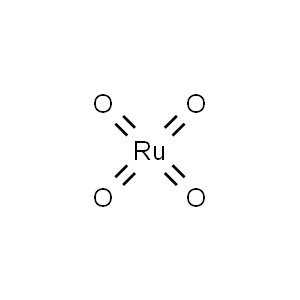
Chemical StructureMolecular Structure of Ruthenium(VIII) Tetroxide

Primary Applications of Ruthenium(VIII) Tetroxide

Ruthenium(VIII) Tetroxide is a powerful and selective oxidant, renowned for its unique ability to cleave and functionalize carbon-carbon double bonds and other groups in complex organic molecules.

  1. Alkene Oxidative Cleavage
    Efficiently cleaves carbon-carbon double bonds to carbonyl compounds (aldehydes from terminal alkenes, ketones from internal), providing a mild alternative to ozonolysis in natural product and pharmaceutical synthesis.

  2. Syn-Dihydroxylation of Alkenes
    Catalyzes stereospecific cis-dihydroxylation of olefins using catalytic RuO₄ with co-oxidants, offering excellent diastereocontrol in carbohydrate and steroid chemistry.

  3. Alcohol & Aldehyde Oxidation
    Selectively oxidizes primary alcohols to aldehydes or carboxylic acids and secondary alcohols to ketones, often under catalytic conditions with minimal over-oxidation.

  4. C–H Bond Functionalization & Oxidation
    Enables selective oxidation of activated C–H bonds in ethers, amines, and hydrocarbons, providing efficient routes to oxygenated derivatives in fine chemical synthesis.

  5. Analytical & Structural Chemistry
    Used as a staining agent in electron microscopy for biological samples and as an oxidant in analytical procedures requiring high selectivity and mild conditions.

  6. Pharmaceutical & Natural Product Synthesis
    Applied in late-stage oxidation steps and key degradative studies of complex molecules, offering high functional group compatibility and stereochemical control.


  • Stabilized & Safe Formulations
    Carefully prepared stabilized solutions or solid with controlled volatility and reduced hazards, ensuring safer handling while maintaining full oxidative potency.

  • Precise Ruthenium Content Control
    Accurate assay and low impurity profiles guarantee consistent Ru concentration and reproducible oxidative performance across batches.

  • Secure Precious Metal Sourcing
    Transparent, responsible ruthenium procurement with inventory buffering to provide supply stability and competitive pricing.

  • Technical Application Support
    Dedicated specialists offer guidance on safe handling, co-oxidant selection, reaction optimization, and scale-up for maximum selectivity and yield.

  • Regulatory & Sustainability Compliance
    Full COA, REACH, RoHS, SDS documentation and ruthenium recycling programs aligned with global standards and ESG commitments.


Hazards Classification

  • GHS Classification: Acute Toxicity, Oral (Category 2); Acute Toxicity, Inhalation (Category 1); Skin Corrosion (Category 1A); Serious Eye Damage (Category 1); Oxidizing Solids (Category 1); Aquatic Acute (Category 1); Aquatic Chronic (Category 1)

  • Hazard Statements: H300 + H330: Fatal if swallowed or if inhaled; H314: Causes severe skin burns and eye damage; H271: May cause fire or explosion; strong oxidizer; H410: Very toxic to aquatic life with long lasting effects

  • UN Number: UN 3139 (solid); UN 3085 (solutions)

  • Hazard Class: 5.1 (Oxidizing substances) + 6.1 (Toxic) + 8 (Corrosive)

  • Packing Group: I

GHS06
GHS06: Acute toxicity
GHS05
GHS05: Corrosive
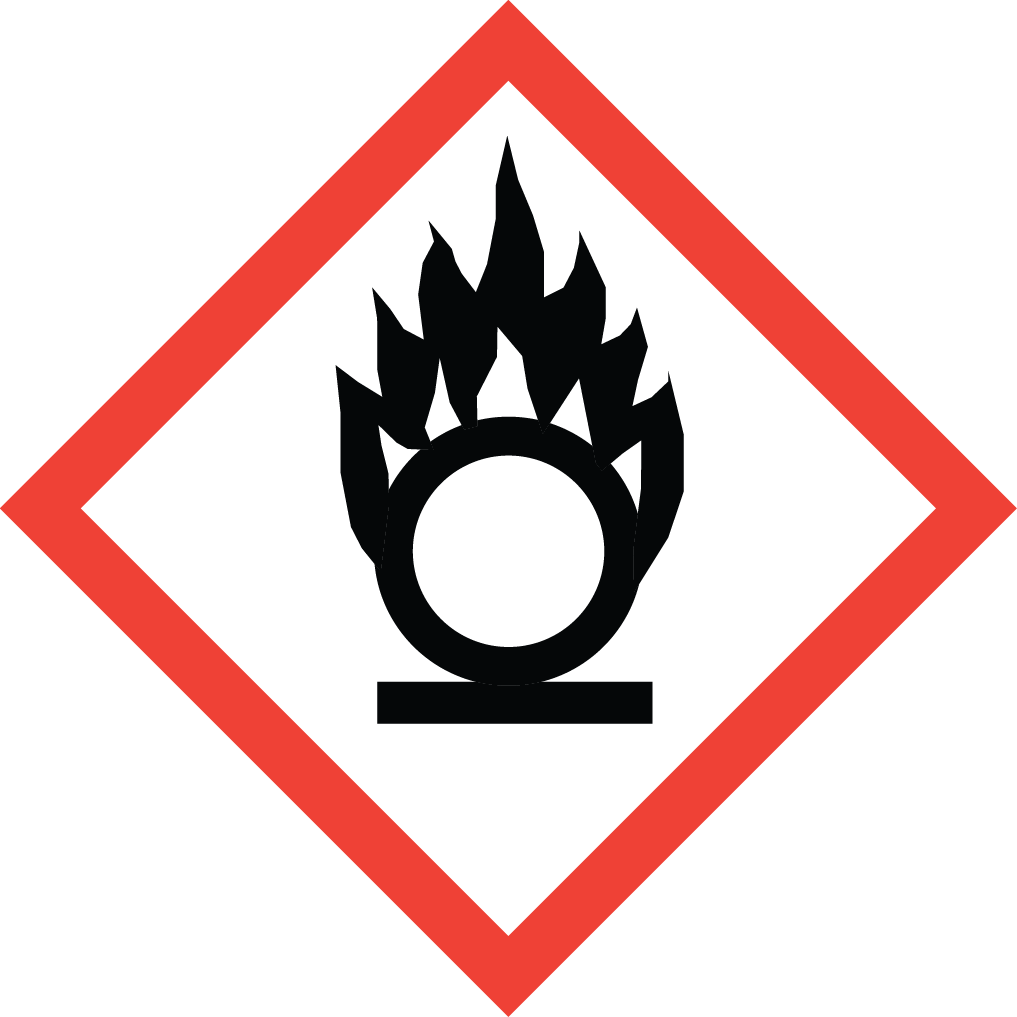
GHS03
GHS03: Oxidizer
GHS09
GHS09: Environment (aquatic toxicity)
Before you order

Confirm the current commercial product record.

Include the required grade or purity, quantity, preferred packing, destination country/port and required document set.

  • 01Current specification
  • 02Batch or sample COA
  • 03Product- and supplier-specific SDS
  • 04Packing and shipping review
Request product review

INQUIRY

INQUIRY