

Potassium Ruthenate

GTC-543

Ruthenium Compounds

Potassium Ruthenate

CAS No.
31111-21-4
Catalogue ID
GTC-543

Potassium Ruthenate, CAS 31111-21-4. Source-derived identification, physical data and applications are provided for catalogue reference; request the current specification, COA and SDS for the required grade.

Catalogue aliases / related identifiers

Potassium ruthenate(VI); Dipotassium ruthenate; Potassium ruthenate(2-); Dipotassium tetraoxoruthenate; Dipotassium ruthenium tetraoxide; Potassium ruthenium oxide (K2RuO4)

Supplied catalogue source: GTC-543 · Page 76

Reference data — confirm before ordering or use

The information below is a structured migration from the supplied catalogue snapshot. It is not a current product specification, COA or SDS. Confirm the actual supplier, grade, batch documents, classification, packing and destination requirements for your enquiry.


Basic Information of Potassium Ruthenate

CAS No.31111-21-4
EC No.250-476-9
Chemical FormulaK₂RuO₄
Molecular Weight243.18 g/mol
AppearanceGreen to dark green crystalline solid or green alkaline solution
OdorOdorless
Melting pointDecomposes before melting (>300 °C)
Boiling pointNot applicable (decomposes)
Densityapprox. 3.0–3.2 g/cm³ (solid); solution density varies
SolubilitySoluble in water (forms alkaline solutions); insoluble in most organic solvents
Nature (hazards)Strong oxidizer, causes severe skin burns and eye damage, harmful if swallowed or inhaled, toxic to aquatic life, may cause fire or explosion
RIDADRUN 3139, Oxidizing solid, n.o.s. (Potassium ruthenate), Class 5.1, Packing Group I (solid); UN 3085 for solutions
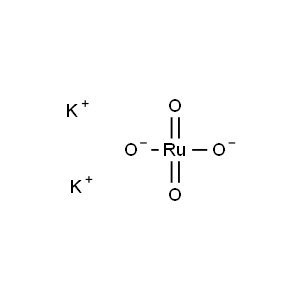
Chemical Structurecas-31111-21-4.Molecular Structure of Potassium Ruthenate

Primary Applications of Potassium Ruthenate

Potassium Ruthenate is a powerful Ru(VI) oxidant, delivering high selectivity and functional group compatibility in key oxidative transformations.

  1. Syn-Dihydroxylation of Alkenes
     Catalyzes stereospecific cis-dihydroxylation of olefins under mild conditions, providing efficient access to 1,2-diols in carbohydrate, steroid, and natural product synthesis.

  2. Oxidative Cleavage of 1,2-Diols
     Selectively cleaves vicinal diols to carbonyl compounds (aldehydes or ketones), offering a mild alternative to periodate oxidation in complex molecule degradation and synthesis.

  3. Alcohol Oxidation to Carbonyls
     Enables selective oxidation of primary alcohols to aldehydes and secondary alcohols to ketones, often catalytically with co-oxidants, in fine chemical and pharmaceutical intermediate preparation.

  4. Precursor for Ruthenium Catalysts
     Serves as a stable Ru(VI) source for preparing ruthenium metathesis, hydrogenation, or oxidation catalysts through reduction or ligand exchange in advanced synthetic applications.

  5. Natural Product & Pharmaceutical Synthesis
     Applied in selective oxidation steps and structural modifications of complex molecules, offering excellent chemoselectivity and mild reaction conditions.

  6. Analytical & Structural Chemistry
     Used as a selective oxidant in analytical procedures and as a staining agent in electron microscopy for biological samples requiring high-resolution contrast.


  • Stabilized & High-Quality Formulations
     Carefully prepared solid or stabilized alkaline solutions minimize decomposition and hazards while maintaining full oxidative potency and consistency.

  • Precise Ruthenium Content Control
     Accurate assay and low impurity profiles guarantee consistent Ru concentration and reproducible performance across batches.

  • Secure Precious Metal Sourcing
     Transparent, responsible ruthenium procurement with inventory buffering to provide supply stability and competitive pricing.

  • Technical Application Support
     Dedicated specialists offer guidance on safe handling, co-oxidant selection, reaction optimization, and scale-up for maximum selectivity and yield.

  • Regulatory & Sustainability Compliance
     Full COA, REACH, RoHS, SDS documentation and ruthenium recycling programs aligned with global standards and ESG commitments.


Hazards Classification

  • GHS Classification: Oxidizing Solids (Category 1); Skin Corrosion (Category 1A); Serious Eye Damage (Category 1); Acute Toxicity, Oral (Category 3); Acute Toxicity, Inhalation (Category 3); Aquatic Acute (Category 1); Aquatic Chronic (Category 1)

  • Hazard Statements: H271: May cause fire or explosion; strong oxidizer; H314: Causes severe skin burns and eye damage; H301 + H331: Toxic if swallowed or if inhaled; H410: Very toxic to aquatic life with long lasting effects

  • UN Number: UN 3139

  • Hazard Class: 5.1 (Oxidizing substances)

  • Packing Group: I

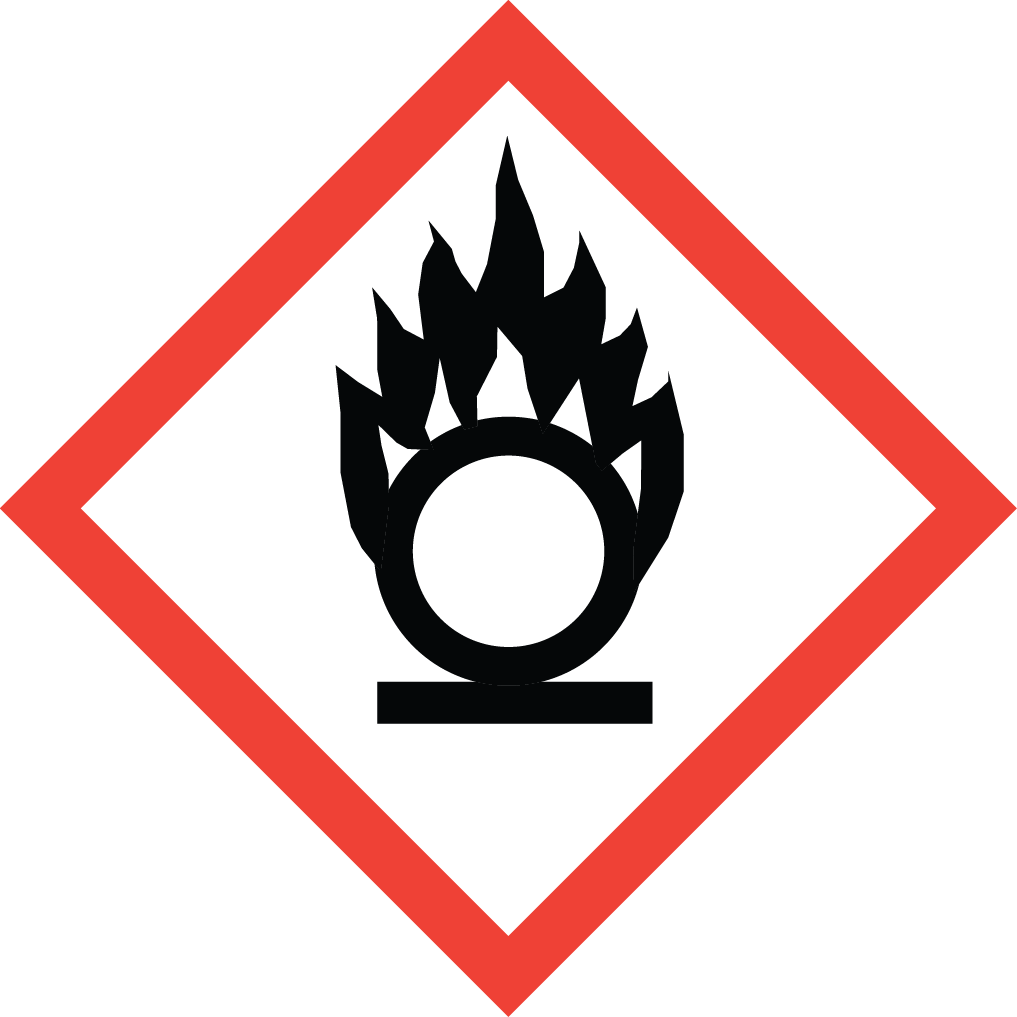
GHS03
GHS03: Oxidizer
GHS05
GHS05: Corrosive
GHS06
GHS06: Acute toxicity
GHS09
GHS09: Environment (aquatic toxicity)
Before you order

Confirm the current commercial product record.

Include the required grade or purity, quantity, preferred packing, destination country/port and required document set.

  • 01Current specification
  • 02Batch or sample COA
  • 03Product- and supplier-specific SDS
  • 04Packing and shipping review
Request product review

INQUIRY

INQUIRY