GHS Classification: Flammable Liquid (GHS02)
Hazard Statements: Highly flammable liquid and vapor; may form explosive peroxides; extremely flammable vapor and liquid; vapor may travel a considerable distance to source of ignition and flash back.
UN Number: UN 1159
Hazard Class: 3 (Flammable Liquids)
Packing Group: II
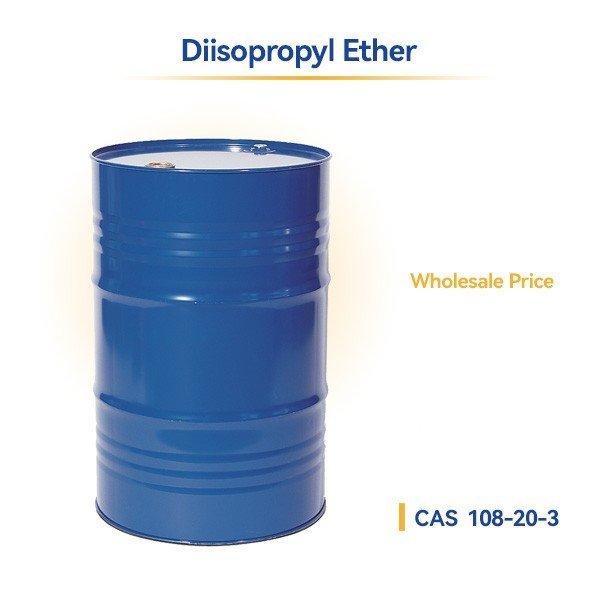
Diisopropyl Ether (DIPE)
GTC-327
Representative packaging
Ethers
Diisopropyl Ether (DIPE)
- CAS No.
- 108-20-3
- Catalogue ID
- GTC-327
Diisopropyl Ether (DIPE), CAS 108-20-3. Source-derived identification, physical data and applications are provided for catalogue reference; request the current specification, COA and SDS for the required grade.
Catalogue aliases / related identifiers
Isopropyl ether; Diisopropyl oxide; 2-Isopropoxypropane; Propane, 2-(1-methylethoxy)-; DIPE
Supplied catalogue source: GTC-327 · Page 20
Reference data — confirm before ordering or use
The information below is a structured migration from the supplied catalogue snapshot. It is not a current product specification, COA or SDS. Confirm the actual supplier, grade, batch documents, classification, packing and destination requirements for your enquiry.
Diisopropyl Ether (DIPE), CAS 108-20-3, is a high-purity, colorless, and volatile liquid known for its use as a specialty solvent. Its structure is a symmetric ether, where two isopropyl groups are linked by an oxygen atom, giving it the formula (CH₃)₂CH–O–CH(CH₃)₂. DIPE is widely favored in industrial extraction processes and laboratory applications due to its selectivity and moderate polarity, offering advantages over diethyl ether in terms of lower volatility and reduced propensity for forming explosive peroxides (though peroxide formation remains a key safety consideration).
Basic Information of DIPE
| CAS No.: | 108-20-3 |
|---|---|
| EC No.: | 203-560-6 |
| Linear Formula: | C6H14O |
| Molecular Weight: | 102.17 |
| Appearance: | Colorless, clear liquid |
| Odor: | Sweet, characteristic ether odor |
| Melting Point: | -85.5 °C |
| Boiling Point: | 68-69 °C(lit.) |
| Density: | 0.725 g/mL at 25 °C(lit.) |
| Solubility: | Slightly soluble in water; fully miscible with most organic solvents. |
| Flash Point: | −29 °F |
| RIDADR: | UN 1159 3/PG 2 |
| Chemical Structure: | 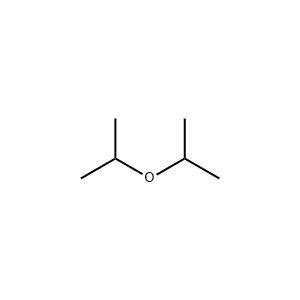 |
Application Overview
Diisopropyl Ether (DIPE) is widely adopted for its unique solvency profile, particularly in applications requiring precise separation and low residue:
Industrial Extraction Solvent: DIPE is a primary choice for liquid-liquid extraction in the pharmaceutical and fine chemical industries. It is used to separate active compounds from reaction mixtures due to its ability to dissolve non-polar and moderately polar substances effectively.
Petroleum Refining: Historically, DIPE has been used as an additive to gasoline to boost the octane rating (antiknock properties), replacing other oxygenates like MTBE. It is also used in dewaxing and solvent extraction processes within oil refining.
Chemical Synthesis Solvent: It is used as a reaction solvent in various organic syntheses, including Grignard reactions and other moisture-sensitive processes, due to its aprotic nature and ease of removal by distillation.
Laboratory and Analytical Use: Its high purity makes it suitable as a chromatography solvent (HPLC and GC) and as an effective cleaning or rinsing solvent for delicate equipment.
Coatings and Adhesives: DIPE is sometimes incorporated into specialized coating and adhesive formulations as a volatile solvent to control drying time and viscosity.
Residue-Free Purity: Our DIPE undergoes multiple fractional distillation steps to achieve minimal non-volatile residue (NVR). This ultra-high purity is crucial for demanding applications like chromatography and pharmaceutical extraction, where final product contamination must be avoided.
Sustainable Solvent Solutions: We actively manage waste and offer solvent recovery consultation services to customers using DIPE in large-scale extraction. This commitment helps clients reduce solvent consumption and meet their sustainability targets efficiently.
Hazards Classification

Before you order
Confirm the current commercial product record.
Include the required grade or purity, quantity, preferred packing, destination country/port and required document set.
- 01Current specification
- 02Batch or sample COA
- 03Product- and supplier-specific SDS
- 04Packing and shipping review
INQUIRY
Continue browsing
Related Products
Tetrahydrofuran
- CAS No.
- 109-99-9
Tetrahydrofuran, CAS 109-99-9. Source-derived identification, physical data and applications are provided for catalogue reference; request the current specification, COA and SDS for the required…
Propylene Glycol Butyl Ether
- CAS No.
- 29387-86-8
Propylene Glycol Butyl Ether, CAS 29387-86-8. Source-derived identification, physical data and applications are provided for catalogue reference; request the current specification, COA and SDS…
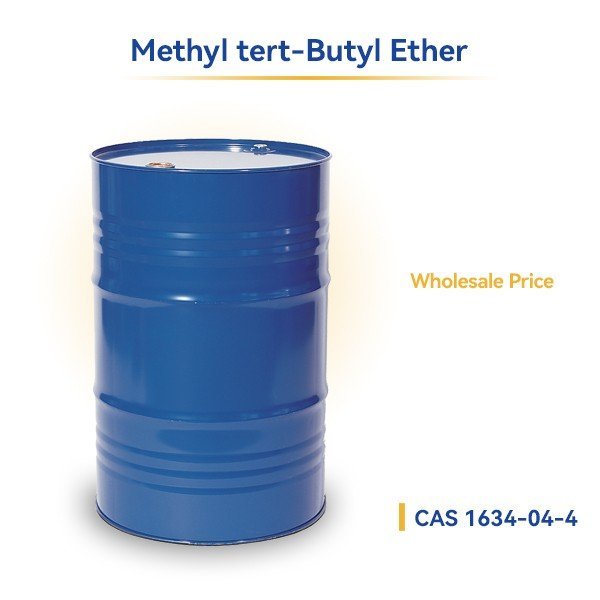
Methyl tert-Butyl Ether
- CAS No.
- 1634-04-4
Methyl tert-Butyl Ether, CAS 1634-04-4. Source-derived identification, physical data and applications are provided for catalogue reference; request the current specification, COA and SDS for…
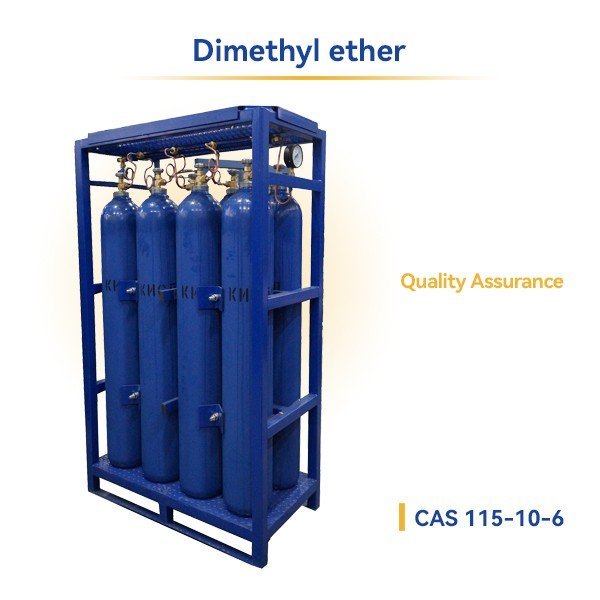
Dimethyl Ether
- CAS No.
- 115-10-6
Dimethyl Ether, CAS 115-10-6. Source-derived identification, physical data and applications are provided for catalogue reference; request the current specification, COA and SDS for the…
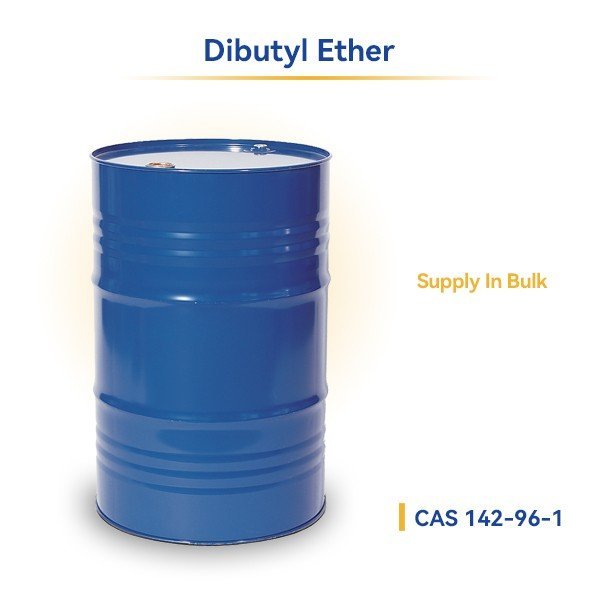
Dibutyl Ether
- CAS No.
- 142-96-1
Dibutyl Ether, CAS 142-96-1. Source-derived identification, physical data and applications are provided for catalogue reference; request the current specification, COA and SDS for the…
α-Pinene oxide
- CAS No.
- 1686-14-2
α-Pinene oxide, CAS 1686-14-2. Source-derived identification, physical data and applications are provided for catalogue reference; request the current specification, COA and SDS for the…
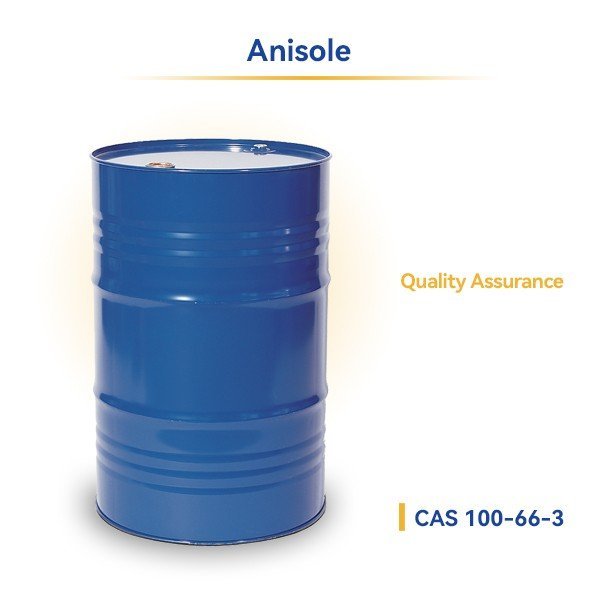
Anisole
- CAS No.
- 100-66-3
Anisole, CAS 100-66-3. Source-derived identification, physical data and applications are provided for catalogue reference; request the current specification, COA and SDS for the required…
Allyl Cyclohexylpropionate (Kosher/Halal)
- CAS No.
- 2705-87-5
Allyl Cyclohexylpropionate (Kosher/Halal), CAS 2705-87-5. Source-derived identification, physical data and applications are provided for catalogue reference; request the current specification, COA and SDS for…