GHS Classification: Corrosive (GHS05), Acute Toxicity (GHS06), Health Hazard (GHS08)
Hazard Statements: Causes severe skin burns and eye damage; toxic if swallowed or in contact with skin; may cause respiratory irritation; suspected of causing genetic defects.
UN Number: UN 1742
Hazard Class: 8 (Corrosive Substances)
Packing Group: II
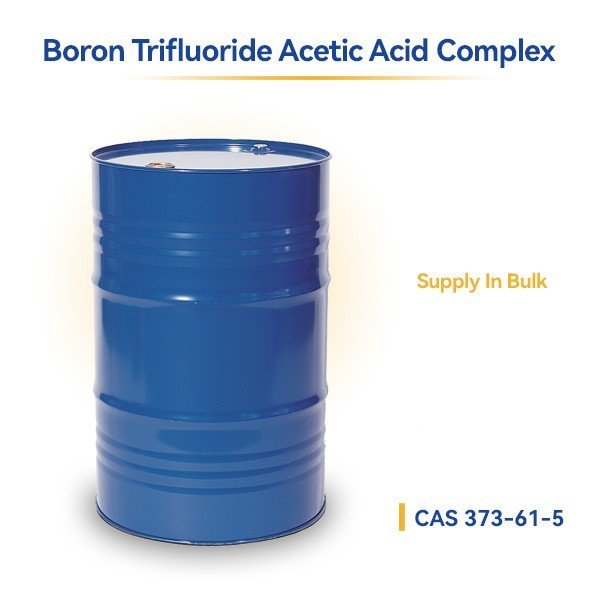
Boron Trifluoride Acetic Acid Complex
GTC-246
Representative packaging
Boron Compounds
Boron Trifluoride Acetic Acid Complex
- CAS No.
- 373-61-5
- Catalogue ID
- GTC-246
Boron Trifluoride Acetic Acid Complex, CAS 373-61-5. Source-derived identification, physical data and applications are provided for catalogue reference; request the current specification, COA and SDS for the required grade.
Catalogue aliases / related identifiers
Acetic acid, compound with trifluoroborane (1:1); BF3-Acetic Acid; BF3·HOAc; Boron trifluoride-acetic acid adduct; Trifluoroborane acetic acid complex
Supplied catalogue source: GTC-246 · Page 86
Reference data — confirm before ordering or use
The information below is a structured migration from the supplied catalogue snapshot. It is not a current product specification, COA or SDS. Confirm the actual supplier, grade, batch documents, classification, packing and destination requirements for your enquiry.
Basic Information of Boron Trifluoride Acetic Acid Complex
Boron Trifluoride Acetic Acid Complex (CAS No. 373-61-5) is recognized for its unique characteristics that contribute to its efficacy in various applications:
| CAS No.: | 373-61-5 |
|---|---|
| EC No.: | 206-768-5 |
| Linear Formula: | BF₃·2CH₃COOH |
| Molecular Weight: | 187.91 |
| Appearance: | Typically a colorless to pale yellow liquid or low-melting solid. |
| Melting point | -47 °C |
| Boiling point: | 140-148 °C |
| Density: | 1.353 g/mL at 25 °C(lit.) |
| Solubility | Miscible with many organic solvents; reacts readily with water. |
| Flash Point: | 183 °F |
| Nature: | Strong Lewis acid complex, offering controlled reactivity. |
| RIDADR: | UN 1742 8/PG 2 |
| Chemical Structure: | 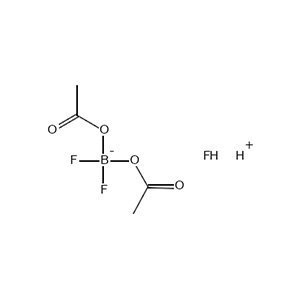 |
Its precise composition ensures reliable performance and high catalytic activity for demanding applications.
Primary Functions and Applications of Boron Trifluoride Acetic Acid Complex
The unique properties of Boron Trifluoride Acetic Acid Complex confer significant application value in several key chemical processes:
Potent Catalyst for Olefin Polymerization:
Boron Trifluoride Acetic Acid Complex effectively promotes the polymerization of olefins. It functions by activating olefin monomers, initiating the polymerization process, and critically, helping to regulate the resulting polymer's structure. These properties are key to enhancing overall reaction efficiency and yielding polymers with desired characteristics, making it invaluable in various polymer manufacturing processes.
Strategic Catalyst in Asymmetric Synthesis:
As a strong Lewis acid, Boron Trifluoride Acetic Acid Complex plays a vital role in asymmetric synthesis. It forms complexes with electron donors within the reaction substrate, subtly altering the substrate's electronic distribution and significantly increasing its reactivity. In chiral synthesis, this catalyst is instrumental in controlling the stereoselectivity of the reaction, which is crucial for yielding products with specific, desired chirality.
Enhancing Reaction Activity: The complex forms coordination bonds with lone pair electrons in the substrate. This coordination enhances substrate polarization, thereby significantly increasing both the reaction rate and selectivity. This mechanism is analogous to the acid hydrolysis of esters, where enhanced polarization of a bond (in that case, a carbonyl double bond) boosts reaction activity.
Stabilizing Intermediates: Particularly in asymmetric synthesis, Boron Trifluoride Acetic Acid Complex can effectively stabilize crucial reaction intermediates. This stabilization prevents undesirable side reactions, directly contributing to a higher yield and improved purity of the target chiral product.
Guaranteed Purity & Consistent Performance: Our BF₃·HOAc undergoes stringent quality control to ensure consistent high purity and optimal catalytic activity, critical for sensitive polymerization and stereoselective reactions.
Expert Technical Support: Our experienced team is always available to offer comprehensive technical assistance, guiding you on product application, safe handling, and storage.
Commitment to Quality & Safety: We adhere to the highest industry standards for quality management, safety, and environmental responsibility across all our processes.
Hazards Classification



Before you order
Confirm the current commercial product record.
Include the required grade or purity, quantity, preferred packing, destination country/port and required document set.
- 01Current specification
- 02Batch or sample COA
- 03Product- and supplier-specific SDS
- 04Packing and shipping review
INQUIRY
Continue browsing
Related Products
Boron Trifluoride Acetonitrile Complex
- CAS No.
- 420-16-6
Boron Trifluoride Acetonitrile Complex, CAS 420-16-6. Source-derived identification, physical data and applications are provided for catalogue reference; request the current specification, COA and SDS…
Boron Trifluoride Anisole Complex
- CAS No.
- 622-45-7
Boron Trifluoride Anisole Complex, CAS 622-45-7. Source-derived identification, physical data and applications are provided for catalogue reference; request the current specification, COA and SDS…
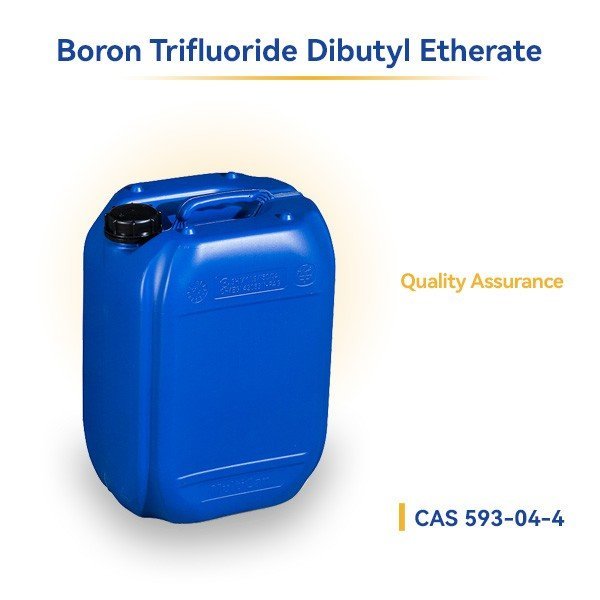
Boron Trifluoride Dibutyl Etherate
- CAS No.
- 593-04-4
Boron Trifluoride Dibutyl Etherate, CAS 593-04-4. Source-derived identification, physical data and applications are provided for catalogue reference; request the current specification, COA and SDS…
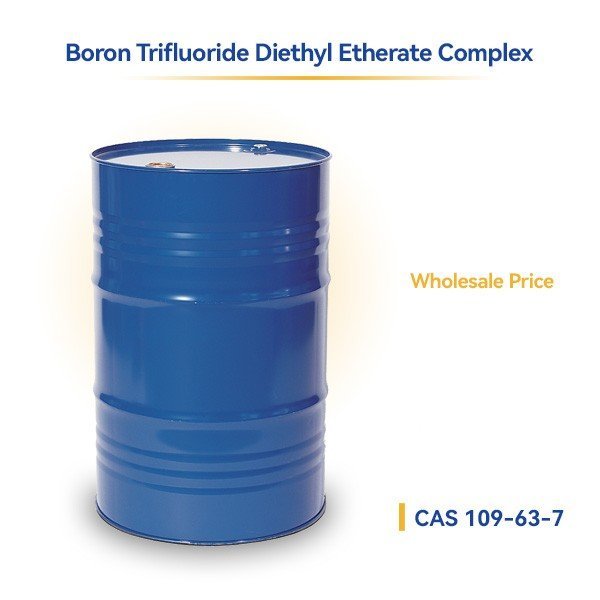
Boron Trifluoride Diethyl Etherate Complex
- CAS No.
- 109-63-7
Boron Trifluoride Diethyl Etherate Complex, CAS 109-63-7. Source-derived identification, physical data and applications are provided for catalogue reference; request the current specification, COA and…
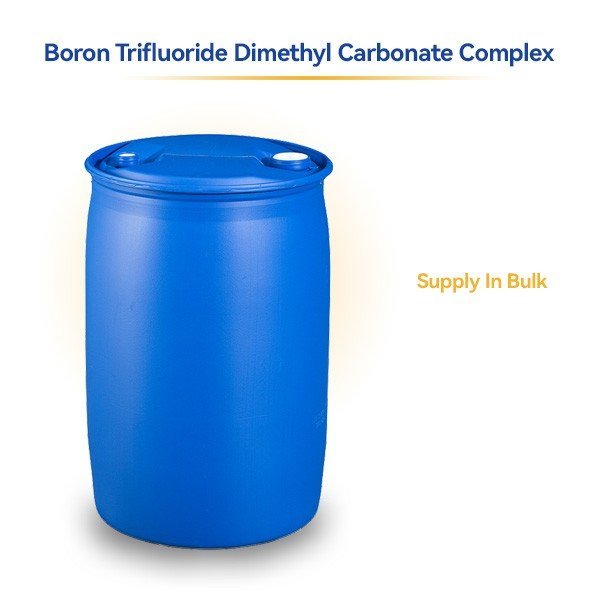
Boron Trifluoride Dimethyl Carbonate Complex 99610-25-0
- CAS No.
- 99610-25-0
Boron Trifluoride Dimethyl Carbonate Complex 99610-25-0, CAS 99610-25-0. Source-derived identification, physical data and applications are provided for catalogue reference; request the current specification, COA…
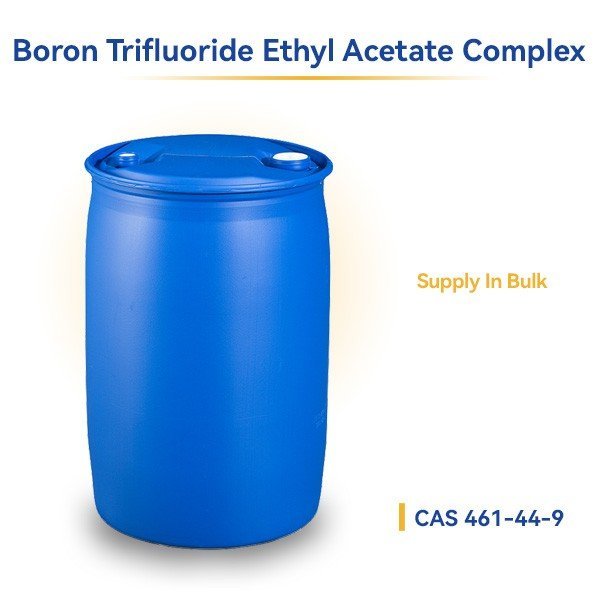
Boron Trifluoride Ethyl Acetate Complex
- CAS No.
- 461-44-9
Boron Trifluoride Ethyl Acetate Complex, CAS 461-44-9. Source-derived identification, physical data and applications are provided for catalogue reference; request the current specification, COA and…
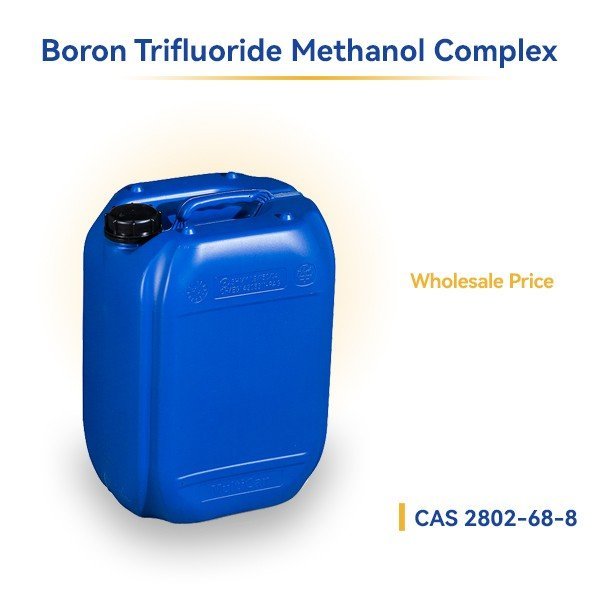
Boron Trifluoride Methanol Complex
- CAS No.
- 2802-68-8
Boron Trifluoride Methanol Complex, CAS 2802-68-8. Source-derived identification, physical data and applications are provided for catalogue reference; request the current specification, COA and SDS…
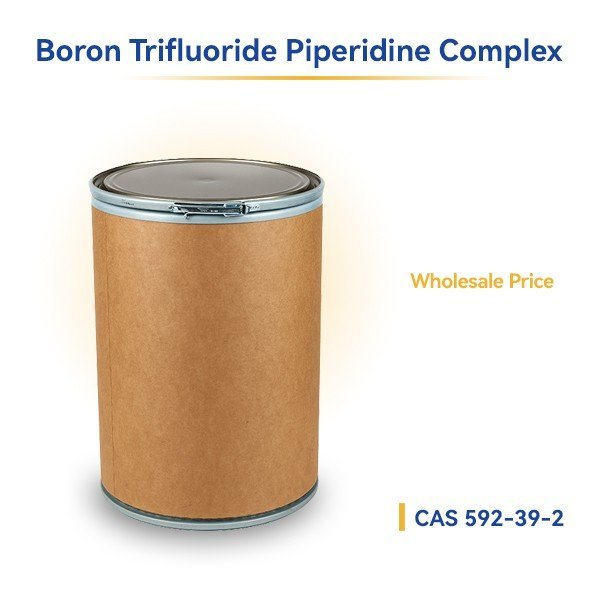
Boron Trifluoride Piperidine Complex
- CAS No.
- 592-39-2
Boron Trifluoride Piperidine Complex, CAS 592-39-2. Source-derived identification, physical data and applications are provided for catalogue reference; request the current specification, COA and SDS…