GHS Classification: Skin Corrosion / Serious Eye Damage (GHS05), Acute Toxicity — Inhalation (GHS06), Flammable Liquid (GHS02), Specific Target Organ Toxicity — Single Exposure (GHS08)
Hazard Statements: Causes severe skin burns and eye damage (H314); toxic if inhaled (H331); highly flammable liquid and vapor (H225) — may cause drowsiness or dizziness (H336) depending on solvent content; may cause damage to organs (H370) with repeated or prolonged exposure.
UN Number: UN 2922
Hazard Class: 8 (Corrosive substances); Subsidiary hazard class: 6.1 (Toxic substances); Subsidiary / consideration: 3 (Flammable) when solvent concentration justifies.
Packing Group: II
Boron Trifluoride Ethyl Acetate Complex
GTC-254
Representative packaging
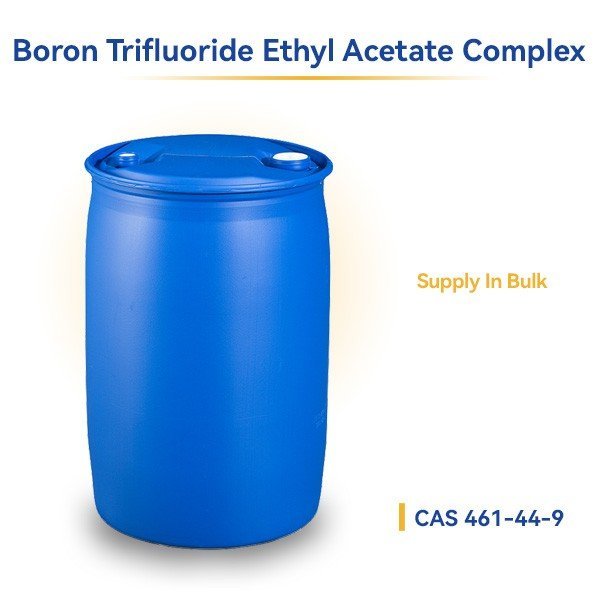
Boron Compounds
Boron Trifluoride Ethyl Acetate Complex
- CAS No.
- 461-44-9
- Catalogue ID
- GTC-254
Boron Trifluoride Ethyl Acetate Complex, CAS 461-44-9. Source-derived identification, physical data and applications are provided for catalogue reference; request the current specification, COA and SDS for the required grade.
Catalogue aliases / related identifiers
Ethyl acetate-boron trifluoride; Boron trifluoride-ethyl acetate adduct; (Ethyl acetate)trifluoroboron; Trifluoroborane ethyl acetate complex; BF3-Ethyl Acetate; Ethyl acetate, compd. with boron fluoride (BF3) (1:1); Acetic acid, ethyl ester, compound with trifluoroborane (1:1)
Supplied catalogue source: GTC-254 · Page 87
Reference data — confirm before ordering or use
The information below is a structured migration from the supplied catalogue snapshot. It is not a current product specification, COA or SDS. Confirm the actual supplier, grade, batch documents, classification, packing and destination requirements for your enquiry.
Basic Information of Boron Trifluoride Ethyl Acetate Complex
Boron Trifluoride Ethyl Acetate Complex (CAS No. 461-44-9) is characterized by the following significant attributes:
| CAS No.: | 461-44-9 |
|---|---|
| Linear Formula: | C₄H₈BF₃O₂ |
| Molecular Weight: | 155.91 |
| Appearance: | Colorless to light yellow liquid |
| Chemical Structure: | 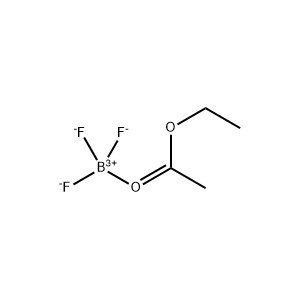 |
Its precise composition and catalytic strength make it a preferred choice for reactions requiring efficient and selective Lewis acid catalysis.
Main Functions and Applications of Boron Trifluoride Ethyl Acetate Complex
Preparation of Pharmaceutical Intermediates: Due to its strong Lewis acidity, it is commonly used as an efficient catalyst in organic synthesis for the preparation of complex organic molecules, playing a vital role in the synthesis of pharmaceutical intermediates where precise control and high yields are critical.
Fragrance Synthesis: In the fragrance industry, this complex is utilized to synthesize compounds possessing unique and desirable aromas. It facilitates various reactions, such as Friedel-Crafts alkylations or cyclizations, which are essential steps in creating diverse fragrance ingredients.
Synthesis of Polymeric Materials: In the synthesis of polymeric materials, the boron trifluoride ethyl acetate complex serves as an initiator or catalyst to promote various polymerization reactions, especially cationic polymerization. It is effective in initiating the polymerization of monomers like cyclic ethers, vinyl ethers, and certain olefins, leading to a wide range of specialty polymers.
Other Fine Chemical Applications: Beyond the aforementioned primary application areas, this complex finds broader utility in the synthesis of other fine chemical products. Its versatility as a Lewis acid catalyst makes it valuable in the production of compounds used in sectors such as pesticides and dyes, where complex multi-step syntheses are common.
Technical Expertise: Our knowledgeable team is always available to provide comprehensive support and answer any technical questions you may have regarding product application, handling, and safety.
Commitment to Quality & Safety: We adhere to the highest quality control, safety, and environmental standards throughout our operations, from manufacturing to distribution.
Hazards Classification




Before you order
Confirm the current commercial product record.
Include the required grade or purity, quantity, preferred packing, destination country/port and required document set.
- 01Current specification
- 02Batch or sample COA
- 03Product- and supplier-specific SDS
- 04Packing and shipping review
INQUIRY
Continue browsing
Related Products
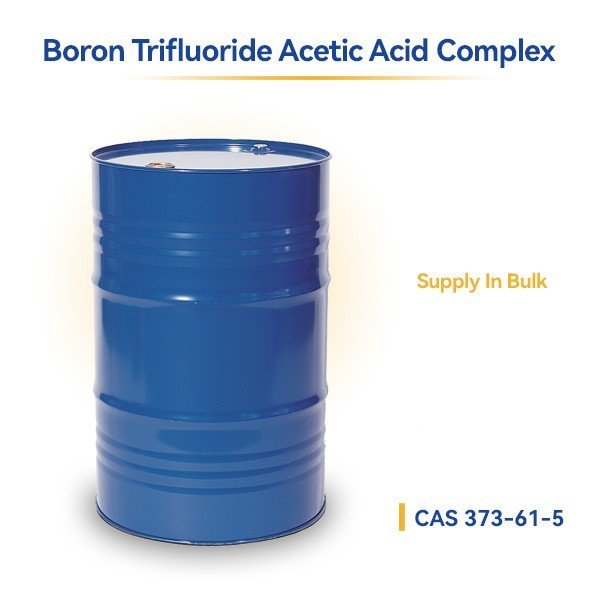
Boron Trifluoride Acetic Acid Complex
- CAS No.
- 373-61-5
Boron Trifluoride Acetic Acid Complex, CAS 373-61-5. Source-derived identification, physical data and applications are provided for catalogue reference; request the current specification, COA and…
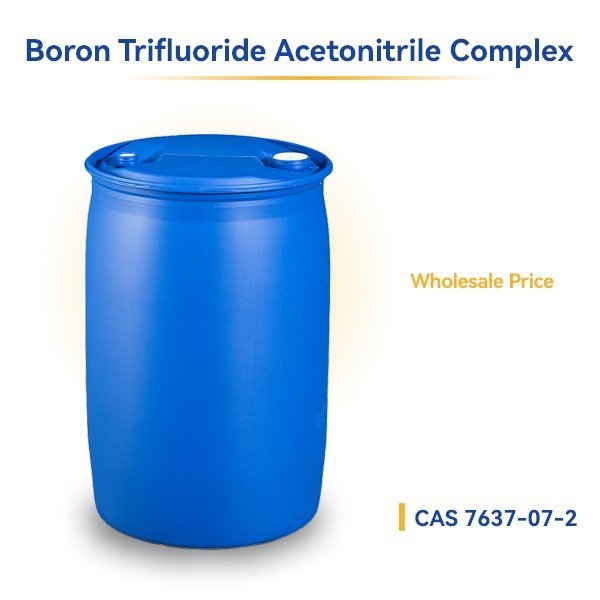
Boron Trifluoride Acetonitrile Complex
- CAS No.
- 420-16-6
Boron Trifluoride Acetonitrile Complex, CAS 420-16-6. Source-derived identification, physical data and applications are provided for catalogue reference; request the current specification, COA and SDS…
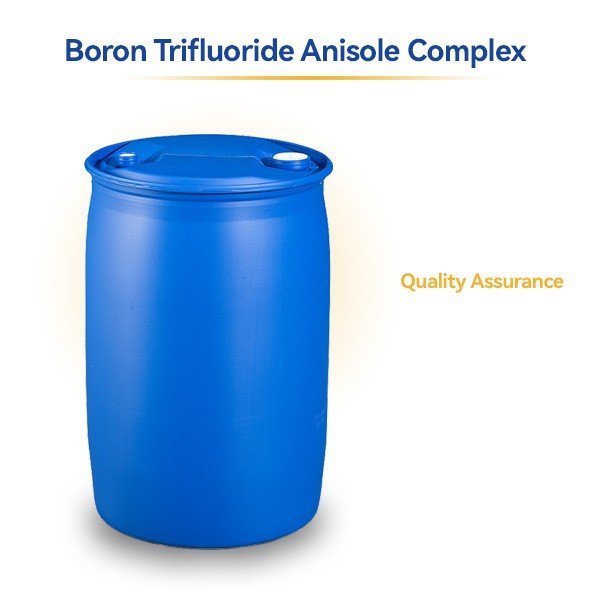
Boron Trifluoride Anisole Complex
- CAS No.
- 622-45-7
Boron Trifluoride Anisole Complex, CAS 622-45-7. Source-derived identification, physical data and applications are provided for catalogue reference; request the current specification, COA and SDS…
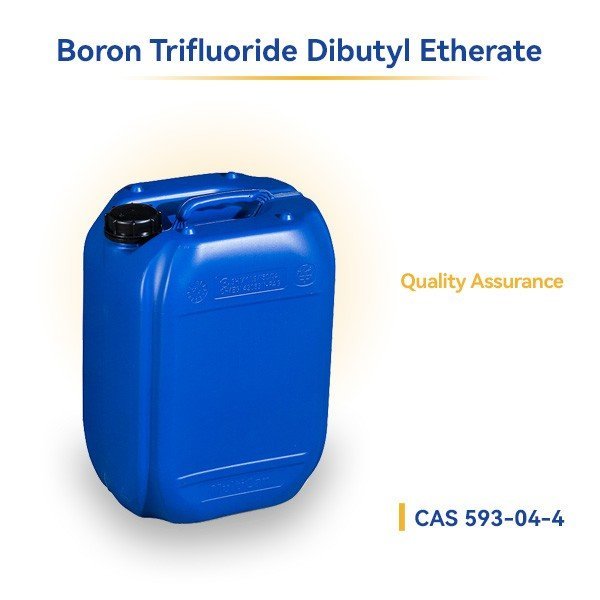
Boron Trifluoride Dibutyl Etherate
- CAS No.
- 593-04-4
Boron Trifluoride Dibutyl Etherate, CAS 593-04-4. Source-derived identification, physical data and applications are provided for catalogue reference; request the current specification, COA and SDS…
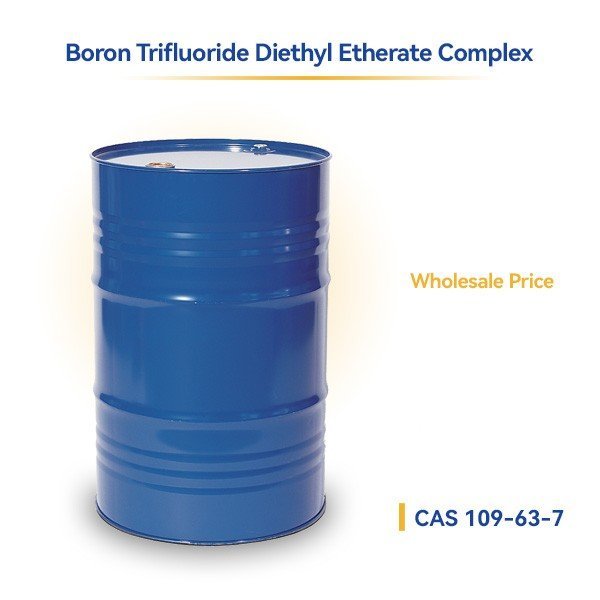
Boron Trifluoride Diethyl Etherate Complex
- CAS No.
- 109-63-7
Boron Trifluoride Diethyl Etherate Complex, CAS 109-63-7. Source-derived identification, physical data and applications are provided for catalogue reference; request the current specification, COA and…
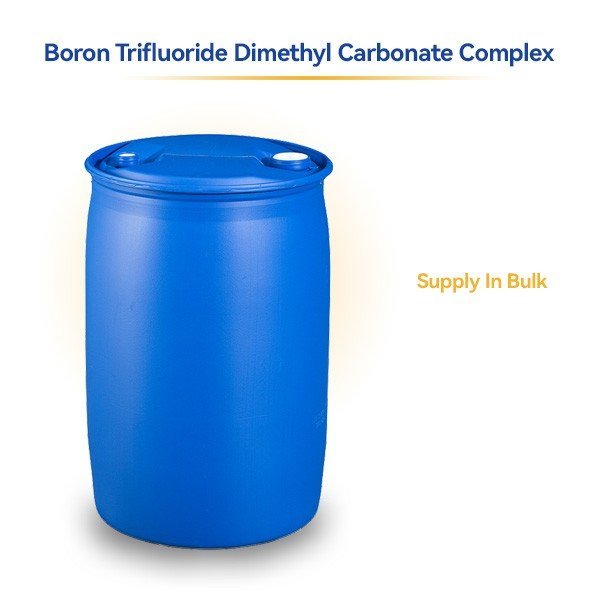
Boron Trifluoride Dimethyl Carbonate Complex 99610-25-0
- CAS No.
- 99610-25-0
Boron Trifluoride Dimethyl Carbonate Complex 99610-25-0, CAS 99610-25-0. Source-derived identification, physical data and applications are provided for catalogue reference; request the current specification, COA…
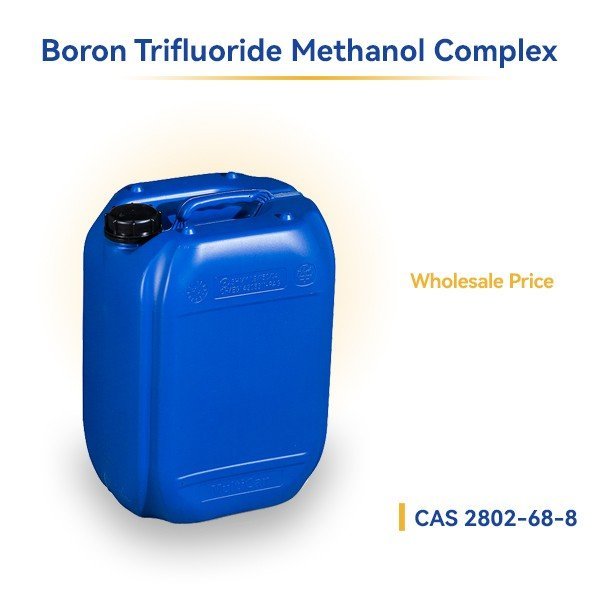
Boron Trifluoride Methanol Complex
- CAS No.
- 2802-68-8
Boron Trifluoride Methanol Complex, CAS 2802-68-8. Source-derived identification, physical data and applications are provided for catalogue reference; request the current specification, COA and SDS…
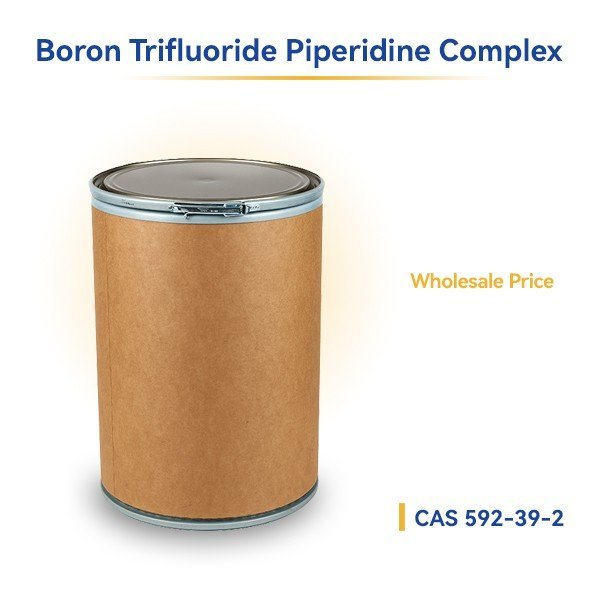
Boron Trifluoride Piperidine Complex
- CAS No.
- 592-39-2
Boron Trifluoride Piperidine Complex, CAS 592-39-2. Source-derived identification, physical data and applications are provided for catalogue reference; request the current specification, COA and SDS…