GHS Classification: Corrosive (GHS05), Acute Toxicity (GHS06), Environmental Hazard (GHS09)
Hazard Statements: Causes severe skin burns and eye damage; toxic if swallowed, in contact with skin, or if inhaled; very toxic to aquatic life with long lasting effects.
UN Number: UN 1750
Hazard Class: 6.1 (Toxic Substances), 8 (Corrosive Substances)
Packing Group: II
Chloroacetic Acid
GTC-275
Representative packaging
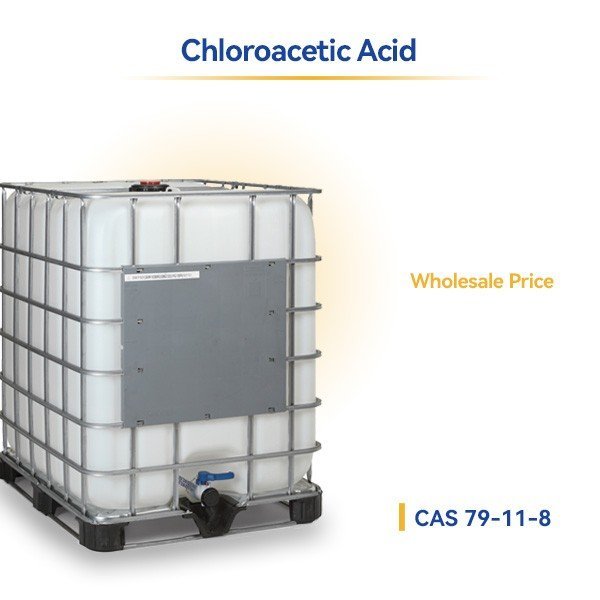
Chlorinating Agents
Chloroacetic Acid
- CAS No.
- 79-11-8
- Catalogue ID
- GTC-275
Chloroacetic Acid, CAS 79-11-8. Source-derived identification, physical data and applications are provided for catalogue reference; request the current specification, COA and SDS for the required grade.
Catalogue aliases / related identifiers
Monochloroacetic Acid (MCA); Monochloroethanoic Acid; Chloroethanoic Acid; MCA; Chloracetic Acid
Supplied catalogue source: GTC-275 · Page 88
Reference data — confirm before ordering or use
The information below is a structured migration from the supplied catalogue snapshot. It is not a current product specification, COA or SDS. Confirm the actual supplier, grade, batch documents, classification, packing and destination requirements for your enquiry.
Basic Information of Chloroacetic Acid
Chloroacetic Acid (CAS No. 79-11-8) is produced to meet stringent quality standards, ensuring exceptional purity and consistent performance for your specialized applications:
| CAS No.: | 79-11-8 |
|---|---|
| EC No.: | 201-178-4 |
| Linear Formula: | C₂H₃ClO₂ |
| Molecular Weight: | 94.50 |
| Appearance: | White crystalline solid or flakes (often transported as an aqueous solution). |
| Odor: | Pungent, irritating odor. |
| Melting Point: | 61-63 °C (for alpha-MCA). |
| Boiling point: | 189 °C. |
| Solubility: | Highly soluble in water, alcohol, ether, and many other organic solvents. |
| Nature: | Extremely corrosive, highly toxic. |
| RIDADR: | UN 1750 6.1,8/ PG 2 |
| Chemical Structure: | 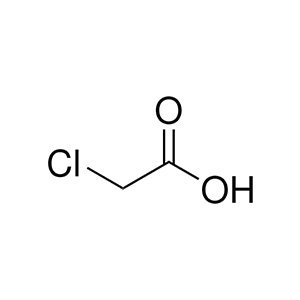 |
Our commitment to delivering high-purity MCA ensures reliable and efficient results for your manufacturing and synthesis needs.
Primary Applications of Chloroacetic Acid (MCA)
The high reactivity of Chloroacetic Acid, particularly due to the presence of both a carboxyl group and an activated chlorine atom, makes it an essential intermediate in diverse industries:
Cellulose Derivatives:
One of the largest applications of MCA is in the production of various cellulose ethers, primarily Carboxymethyl Cellulose (CMC). CMC is widely used as a thickener, binder, stabilizer, and water-retaining agent in food, pharmaceuticals, detergents, textiles, and drilling fluids.
Pharmaceutical Synthesis:
MCA is a critical intermediate in the synthesis of numerous active pharmaceutical ingredients (APIs), including ibuprofen, vitamins (like Vitamin B6), caffeine, and various other drug molecules, leveraging its versatile reactive sites.
Agrochemical Manufacturing:
It serves as a key building block for the synthesis of various agrochemicals, including herbicides (e.g., 2,4-D, MCPA), insecticides, and fungicides, contributing to crop protection and yield enhancement.
Dyes and Pigments:
MCA is utilized in the production of certain types of dyes and pigments, particularly indigo dyes, contributing to the vibrant colors and properties of textile and other industrial colorants.
Surfactants and Detergents:
Used in the production of betaine-type amphoteric surfactants, which find applications in shampoos, body washes, and other cleaning products due to their mildness and foaming properties.
Thioglycolic Acid Production:
MCA is a primary raw material for the synthesis of thioglycolic acid and its derivatives, which are used in cosmetics (hair perm solutions), PVC stabilizers, and petroleum refining.
Exceptional Purity & Consistency: Our MCA is manufactured to high purity specifications, crucial for the complex synthesis processes in which it is used.
Commitment to Quality & Safety: We adhere to the highest industry standards for quality management, safety, and environmental responsibility across all our operations, ensuring peace of mind for our clients.
Related Articles
Hazards Classification



Before you order
Confirm the current commercial product record.
Include the required grade or purity, quantity, preferred packing, destination country/port and required document set.
- 01Current specification
- 02Batch or sample COA
- 03Product- and supplier-specific SDS
- 04Packing and shipping review
INQUIRY
Continue browsing
Related Products
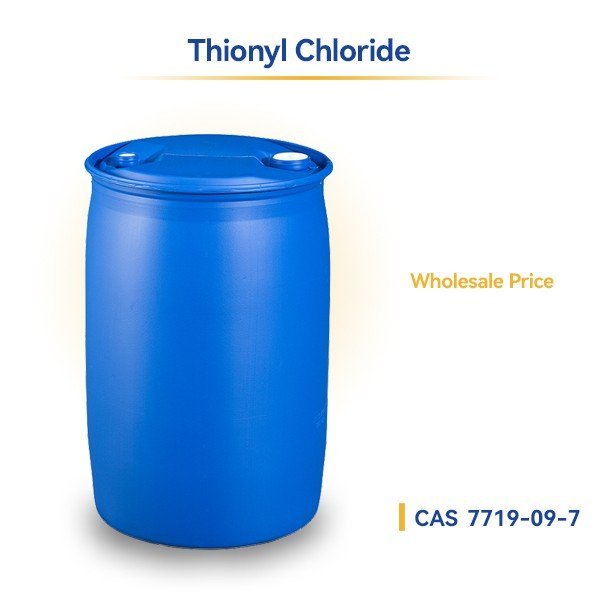
Thionyl Chloride
- CAS No.
- 7719-09-7
Thionyl Chloride, CAS 7719-09-7. Source-derived identification, physical data and applications are provided for catalogue reference; request the current specification, COA and SDS for the…
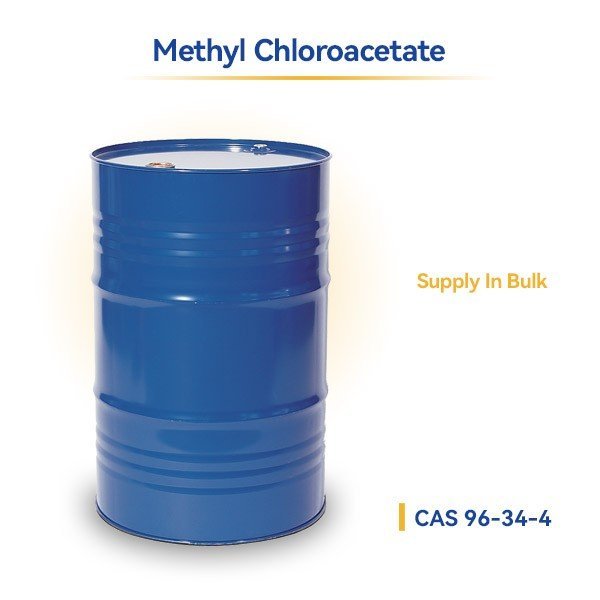
Methyl Chloroacetate
- CAS No.
- 96-34-4
Methyl Chloroacetate, CAS 96-34-4. Source-derived identification, physical data and applications are provided for catalogue reference; request the current specification, COA and SDS for the…
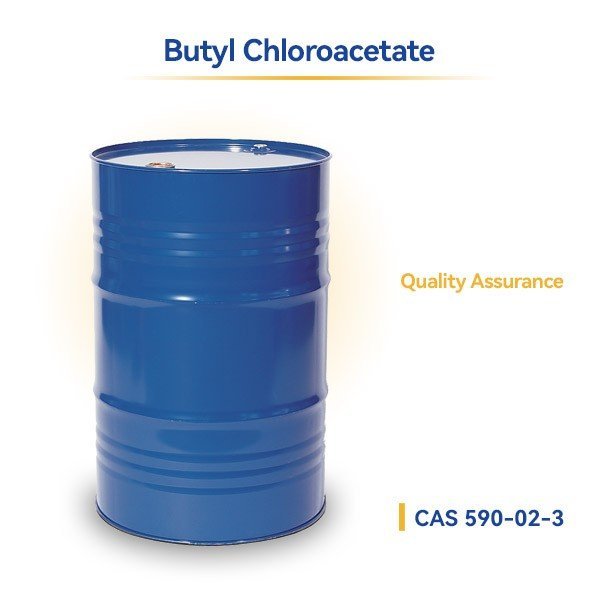
Butyl Chloroacetate
- CAS No.
- 590-02-3
Butyl Chloroacetate, CAS 590-02-3. Source-derived identification, physical data and applications are provided for catalogue reference; request the current specification, COA and SDS for the…
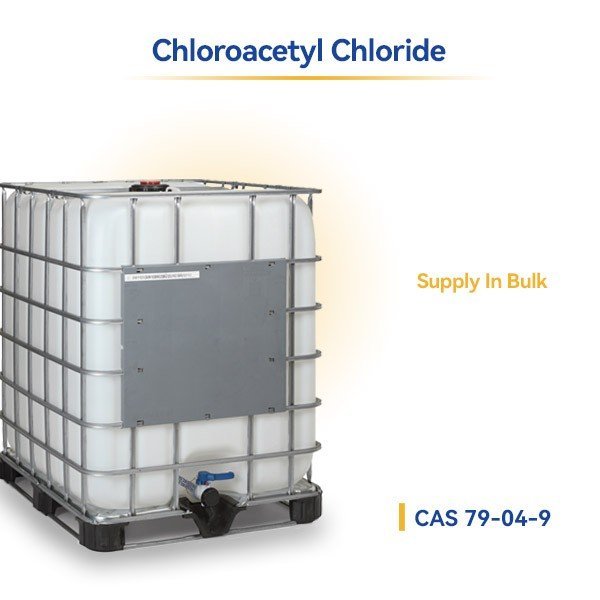
Chloroacetyl Chloride
- CAS No.
- 79-04-9
Chloroacetyl Chloride, CAS 79-04-9. Source-derived identification, physical data and applications are provided for catalogue reference; request the current specification, COA and SDS for the…
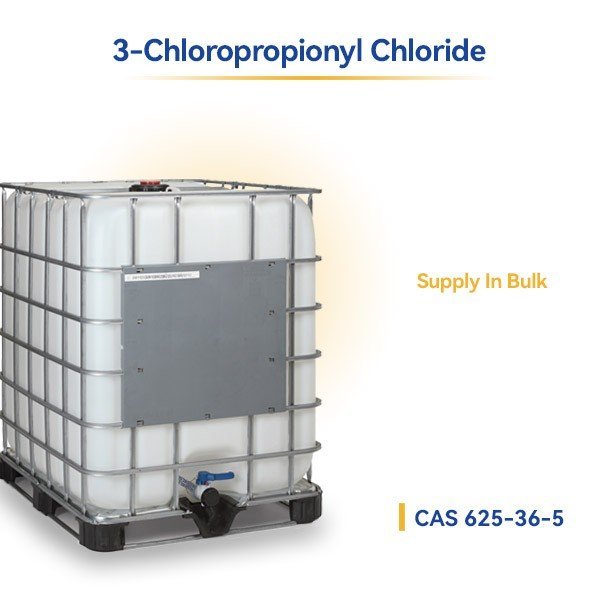
3-Chloropropionyl Chloride
- CAS No.
- 625-36-5
3-Chloropropionyl Chloride, CAS 625-36-5. Source-derived identification, physical data and applications are provided for catalogue reference; request the current specification, COA and SDS for the…