GHS Classification: Acute Toxicity, Inhalation (GHS06), Skin Corrosion (GHS05), Serious Eye Damage (GHS05), Environmental Hazard (GHS09)
Hazard Statements: Fatal if inhaled; causes severe skin burns and eye damage; toxic to aquatic life with long lasting effects.
UN Number: UN 1752
Hazard Class: 6.1 (Toxic substances), 8 (Corrosive substances)
Packing Group: I
Chloroacetyl Chloride
GTC-277
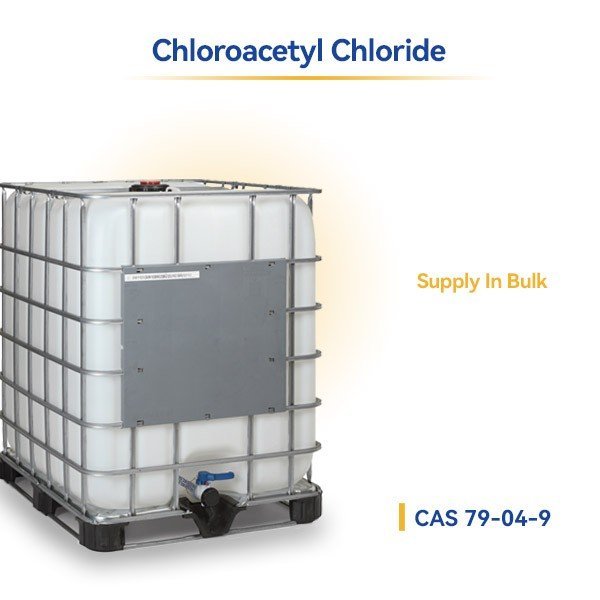
Representative packaging
Chlorinating Agents
Chloroacetyl Chloride
- CAS No.
- 79-04-9
- Catalogue ID
- GTC-277
Chloroacetyl Chloride, CAS 79-04-9. Source-derived identification, physical data and applications are provided for catalogue reference; request the current specification, COA and SDS for the required grade.
Catalogue aliases / related identifiers
Chloroethanoyl chloride; Monochloroacetyl chloride; Chloroacetic acid chloride; Acetic acid, chloro-, chloride; NSC 84592
Supplied catalogue source: GTC-277 · Page 89
Reference data — confirm before ordering or use
The information below is a structured migration from the supplied catalogue snapshot. It is not a current product specification, COA or SDS. Confirm the actual supplier, grade, batch documents, classification, packing and destination requirements for your enquiry.
Basic Information of Chloroacetyl Chloride
Chloroacetyl Chloride (CAS No. 79-04-9) is meticulously manufactured to meet stringent quality standards, ensuring exceptional purity and consistent performance for your critical applications:
| CAS No.: | 79-04-9 |
|---|---|
| EC No.: | 201-171-6 |
| Linear Formula: | ClCH₂COCl |
| Molecular Weight: | 112.94 |
| Appearance: | Clear, colorless to slightly yellow liquid. |
| Odor: | Pungent, irritating odor, lachrymatory. |
| Melting Point: | −22 °C(lit.) |
| Boiling point: | 105-106 °C(lit.) |
| Density: | 1.419 g/mL at 20 °C |
| Solubility: | Decomposes in water and alcohols; soluble in many anhydrous organic solvents like ethers and chlorinated hydrocarbons. |
| Flash point: | >100°C |
| Nature: | Highly corrosive, moisture-sensitive, and a powerful lachrymator. |
| RIDADR: | UN 1752 6.1/PG 1 |
| Chemical Structure: | 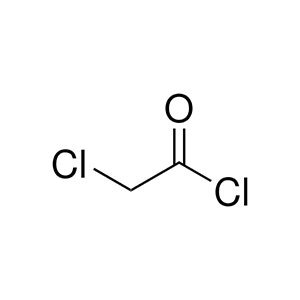 |
Our commitment to delivering high-purity Chloroacetyl Chloride ensures a reliable and efficient component for your complex chemical syntheses and manufacturing processes.
Primary Applications of Chloroacetyl Chloride
Chloroacetyl Chloride's high reactivity makes it a crucial reagent for introducing the chloroacetyl group into various substrates across diverse industries:
Pharmaceutical Synthesis:
It is a key intermediate in the production of numerous active pharmaceutical ingredients (APIs), including antibiotics (e.g., penicillins, cephalosporins), anesthetics, and other therapeutic agents. The chloroacetyl group is often a critical structural motif or a precursor to other functional groups in these drugs.
Agrochemical Manufacturing:
Chloroacetyl Chloride is used in the synthesis of various herbicides, insecticides, and fungicides. The introduction of the chloroacetyl moiety can enhance the biological activity or modify the properties of these crop protection chemicals.
Polymer Synthesis:
It can be employed to modify polymers or to synthesize monomers containing reactive chloroacetyl groups, leading to polymers with tailored properties or functionalities.
Dye Synthesis:
This acid chloride is utilized in the production of certain classes of dyes and pigments, where the chloroacetyl group can be incorporated into the chromophore or used to modify the dye's affinity for fibers or other substrates.
Specialty Chemicals:
Chloroacetyl Chloride is a versatile reagent for the synthesis of a wide range of specialty chemicals, including surfactants, plasticizers, and other fine chemical intermediates.
Exceptional Purity & Reactivity: Our Chloroacetyl Chloride is manufactured to exacting purity standards, ensuring optimal and predictable reactivity in your critical synthesis processes and high yields of desired products.
Secure and Reliable Packaging: We utilize specialized packaging to maintain product integrity and prevent degradation due to moisture, ensuring the product arrives in optimal condition.
Commitment to Quality & Safety: We adhere to the highest industry standards for quality management, safety, and environmental responsibility across all our operations, ensuring peace of mind for our clients.
Hazards Classification



Before you order
Confirm the current commercial product record.
Include the required grade or purity, quantity, preferred packing, destination country/port and required document set.
- 01Current specification
- 02Batch or sample COA
- 03Product- and supplier-specific SDS
- 04Packing and shipping review
INQUIRY
Continue browsing
Related Products
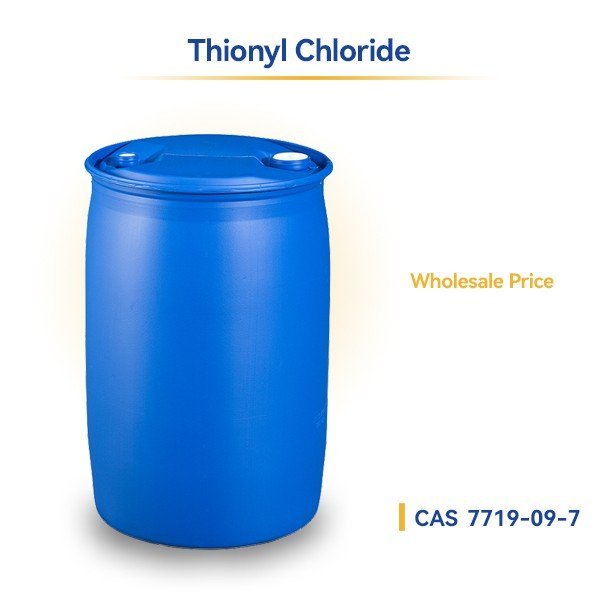
Thionyl Chloride
- CAS No.
- 7719-09-7
Thionyl Chloride, CAS 7719-09-7. Source-derived identification, physical data and applications are provided for catalogue reference; request the current specification, COA and SDS for the…
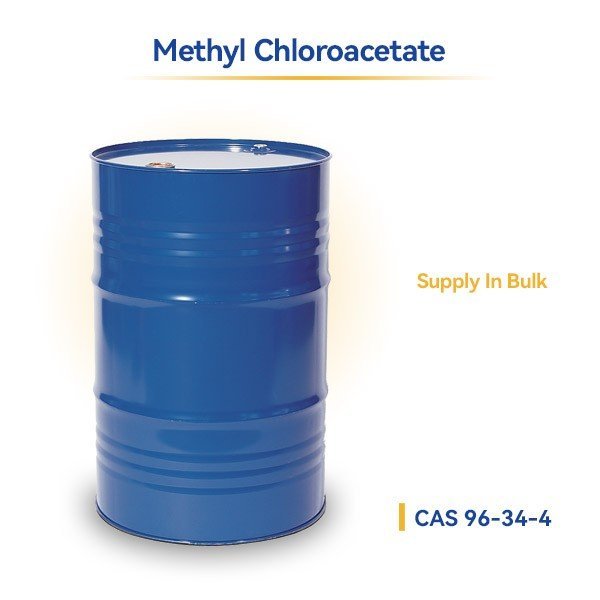
Methyl Chloroacetate
- CAS No.
- 96-34-4
Methyl Chloroacetate, CAS 96-34-4. Source-derived identification, physical data and applications are provided for catalogue reference; request the current specification, COA and SDS for the…
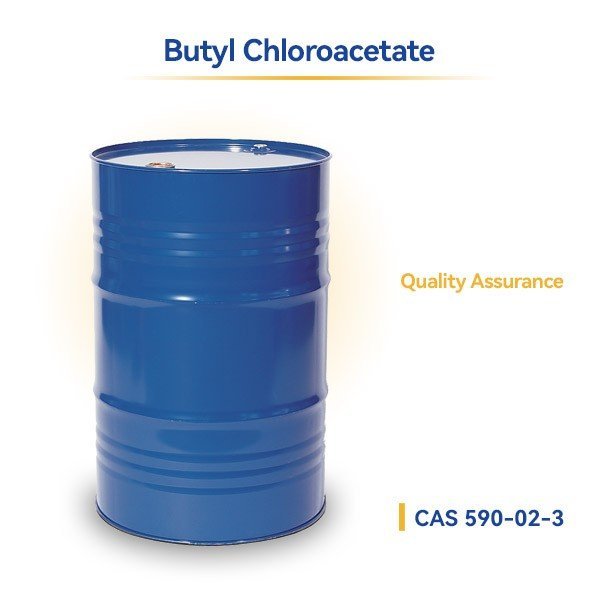
Butyl Chloroacetate
- CAS No.
- 590-02-3
Butyl Chloroacetate, CAS 590-02-3. Source-derived identification, physical data and applications are provided for catalogue reference; request the current specification, COA and SDS for the…
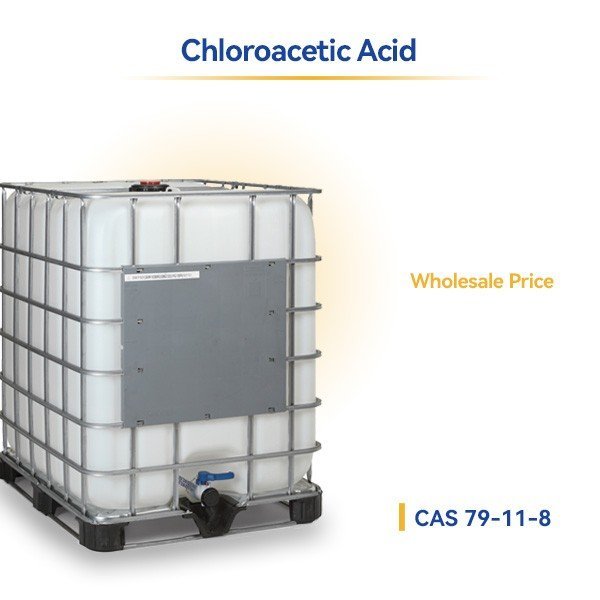
Chloroacetic Acid
- CAS No.
- 79-11-8
Chloroacetic Acid, CAS 79-11-8. Source-derived identification, physical data and applications are provided for catalogue reference; request the current specification, COA and SDS for the…
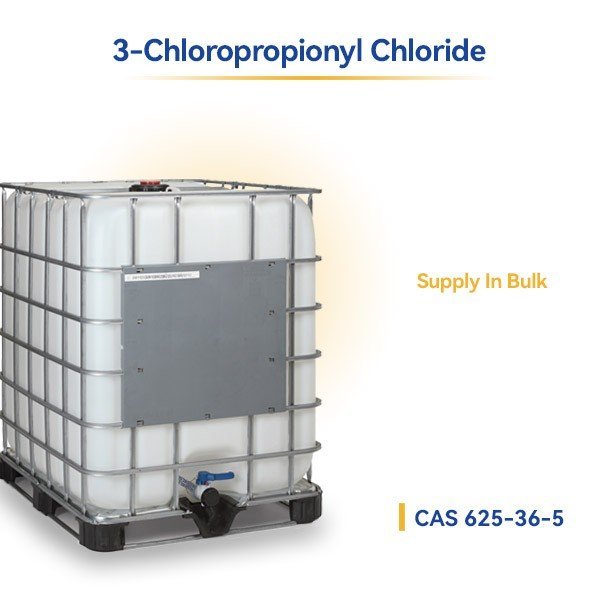
3-Chloropropionyl Chloride
- CAS No.
- 625-36-5
3-Chloropropionyl Chloride, CAS 625-36-5. Source-derived identification, physical data and applications are provided for catalogue reference; request the current specification, COA and SDS for the…