GHS Classification: Corrosive (GHS05), Acute Toxicity (GHS06), Health Hazard (GHS08)
Hazard Statements: Causes severe skin burns and eye damage; fatal if inhaled; may cause respiratory irritation; reacts violently with water.
UN Number: UN 1836
Hazard Class: 8 (Corrosive Substances)
Packing Group: I
Thionyl Chloride
GTC-646
Representative packaging
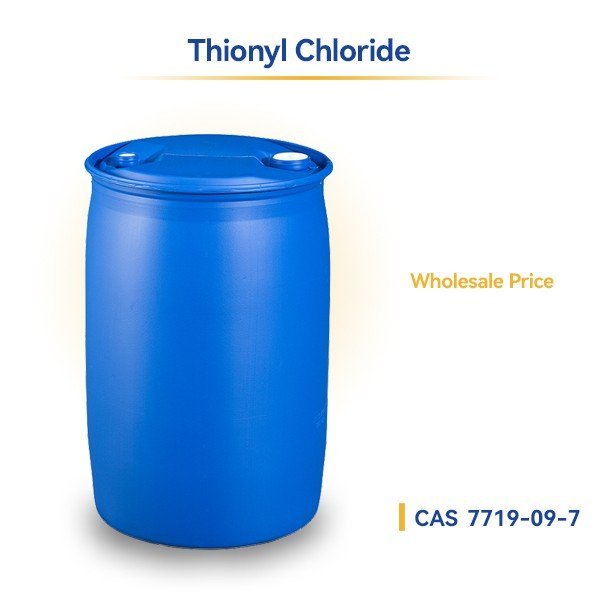
Chlorinating Agents
Thionyl Chloride
- CAS No.
- 7719-09-7
- Catalogue ID
- GTC-646
Thionyl Chloride, CAS 7719-09-7. Source-derived identification, physical data and applications are provided for catalogue reference; request the current specification, COA and SDS for the required grade.
Catalogue aliases / related identifiers
Sulfinyl chloride; Sulfurous oxychloride; Sulfur chloride oxide; Sulfurous dichloride; Thionyl dichloride; Sulfur dichloride oxide; Dichlorosulfoxide; Sulfur monoxide dichloride
Supplied catalogue source: GTC-646 · Page 92
Reference data — confirm before ordering or use
The information below is a structured migration from the supplied catalogue snapshot. It is not a current product specification, COA or SDS. Confirm the actual supplier, grade, batch documents, classification, packing and destination requirements for your enquiry.
Basic Information of Trimethylsilyl Chloride
| CAS No.: | 7719-09-7 |
|---|---|
| EC No.: | 231-748-8 |
| Linear Formula: | SOCl₂ |
| Molecular Weight: | 118.97 |
| Appearance: | Colorless to pale yellow, fuming liquid. |
| Odor: | A pungent odor |
| Melting Point: | -105 °C |
| Boiling Point: | 79 °C(lit.) |
| Density: | 1.64 g/mL at 20 °C |
| Solubility: | Highly reactive with water (hydrolyzes rapidly to HCl and SO₂, alcohols, carboxylic acids, and amines. Powerful chlorinating and dehydrating agent. |
| Reactivity: | Highly corrosive to metals in the presence of moisture and to organic tissues. |
| Corrosivity: | Highly corrosive to metals in the presence of moisture and to organic tissues. |
| Fuming: | Fumes strongly in moist air. |
| RIDADR: | UN 1836 8/PG 1 |
| Chemical Structure: |  |
Our commitment to delivering high-purity Thionyl Chloride ensures a reliable and efficient component for your critical processes, offering consistent quality for diverse industrial needs, while prioritizing uncompromising safety in handling and logistics.
Primary Applications of Thionyl Chloride
Thionyl Chloride's unique chemical properties, particularly its efficiency as a chlorinating and dehydrating agent with gaseous byproducts, make it an indispensable reagent with extensive applications across various chemical synthesis pathways:
Synthesis of Acyl Chlorides:
One of its most important uses is in the conversion of carboxylic acids into acyl chlorides (RCOCl). This reaction is highly efficient and clean, making acyl chlorides readily available for subsequent organic reactions, such as ester or amide formation.
Synthesis of Alkyl Chlorides:
It is widely employed to convert alcohols into alkyl chlorides (RCl). This is a preferred method as it avoids rearrangements often seen with other chlorinating agents and produces gaseous byproducts.
Pharmaceutical Manufacturing:
Thionyl Chloride serves as a crucial intermediate and reagent in the synthesis of various active pharmaceutical ingredients (APIs) and their intermediates, particularly where precise chlorination or dehydration is required.
Agrochemical Production:
It is used in the synthesis of numerous agrochemicals, including pesticides, herbicides, and fungicides, where chlorine atoms need to be introduced into complex organic molecules.
Dye and Pigment Industry:
Used in the production of certain dyes and pigments, often as a chlorinating agent or for preparing reactive intermediates.
Dehydrating Agent:
Due to its strong affinity for water, it acts as an effective dehydrating agent in specialized chemical reactions and for drying solvents.
Other Specialty Chemical Synthesis:
Plays a role in the synthesis of other specialty chemicals, including fire retardants, polymers, and catalysts.
Exceptional Purity & Consistent Quality: Our Thionyl Chloride is manufactured to stringent purity specifications, crucial for optimizing performance and yield in sensitive chemical synthesis reactions, such as those in pharmaceutical and fine chemical production.
Expert Technical & Safety Support: Our dedicated team of experienced chemists and highly trained safety specialists is readily available to offer comprehensive guidance on product application, stringent safe handling procedures, emergency response planning, and optimal storage conditions for Thionyl Chloride.
Commitment to Quality & Responsible Stewardship: We adhere to the highest industry standards for quality management, environmental responsibility, and product stewardship across all our operations, ensuring peace of mind for our clients and the responsible management of hazardous chemicals.
Hazards Classification



Before you order
Confirm the current commercial product record.
Include the required grade or purity, quantity, preferred packing, destination country/port and required document set.
- 01Current specification
- 02Batch or sample COA
- 03Product- and supplier-specific SDS
- 04Packing and shipping review
INQUIRY
Continue browsing
Related Products
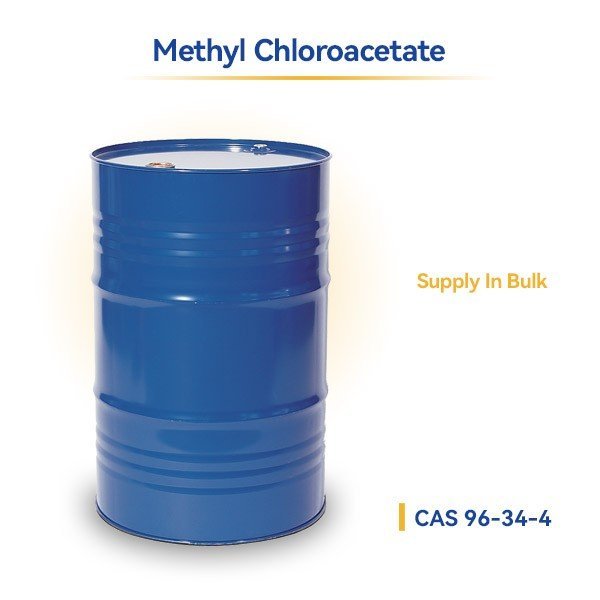
Methyl Chloroacetate
- CAS No.
- 96-34-4
Methyl Chloroacetate, CAS 96-34-4. Source-derived identification, physical data and applications are provided for catalogue reference; request the current specification, COA and SDS for the…
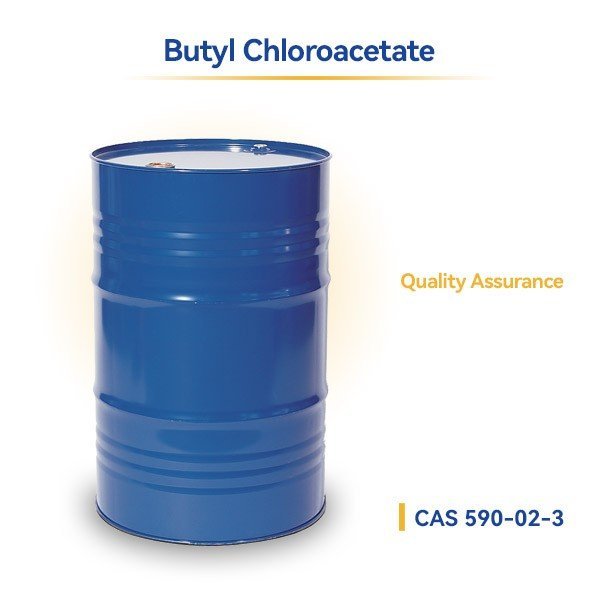
Butyl Chloroacetate
- CAS No.
- 590-02-3
Butyl Chloroacetate, CAS 590-02-3. Source-derived identification, physical data and applications are provided for catalogue reference; request the current specification, COA and SDS for the…
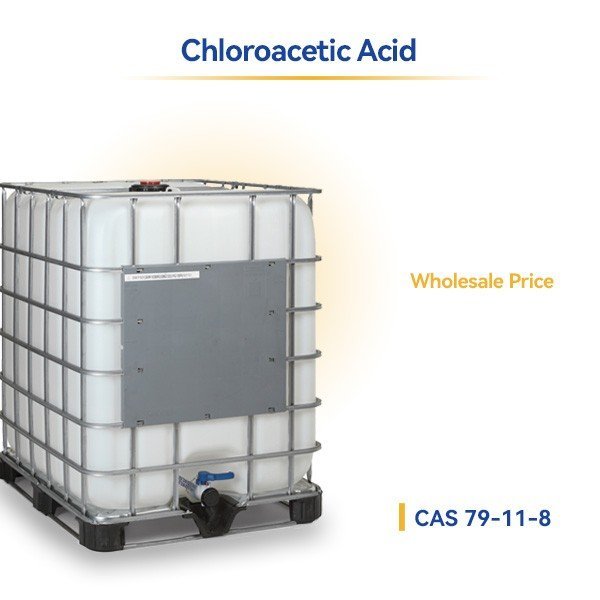
Chloroacetic Acid
- CAS No.
- 79-11-8
Chloroacetic Acid, CAS 79-11-8. Source-derived identification, physical data and applications are provided for catalogue reference; request the current specification, COA and SDS for the…
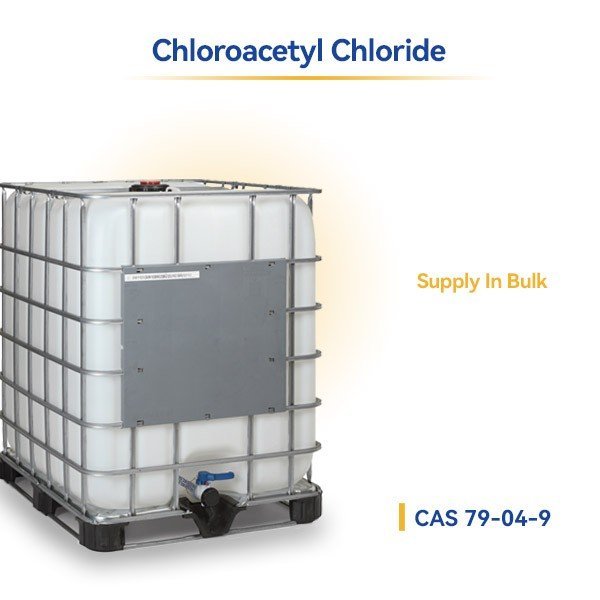
Chloroacetyl Chloride
- CAS No.
- 79-04-9
Chloroacetyl Chloride, CAS 79-04-9. Source-derived identification, physical data and applications are provided for catalogue reference; request the current specification, COA and SDS for the…
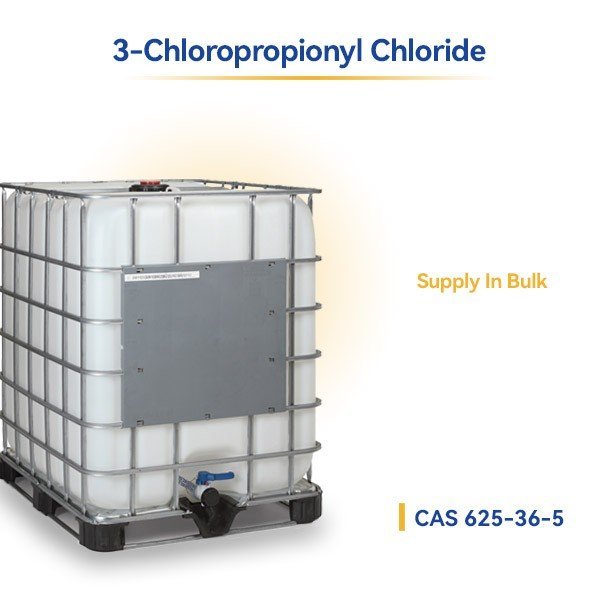
3-Chloropropionyl Chloride
- CAS No.
- 625-36-5
3-Chloropropionyl Chloride, CAS 625-36-5. Source-derived identification, physical data and applications are provided for catalogue reference; request the current specification, COA and SDS for the…