GHS Classification: Flammable Liquid (GHS02), Acute Toxicity (GHS06), Skin Corrosion/Irritation (GHS05)
Hazard Statements: Highly flammable liquid and vapor; harmful if swallowed, in contact with skin or if inhaled; causes severe skin burns and eye damage.
UN Number: UN 2266
Hazard Class: 3 (Flammable Liquids)
Packing Group: II
N,N-Dimethylpropylamine (DMPA)
GTC-478
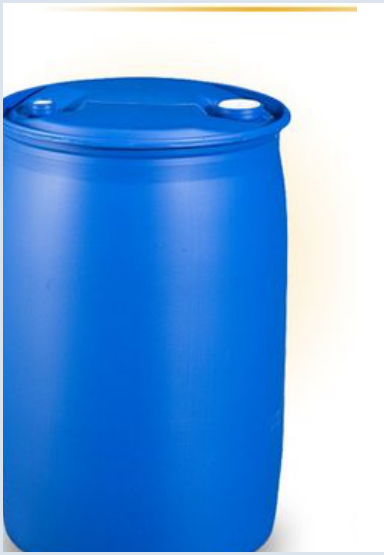
Representative packaging
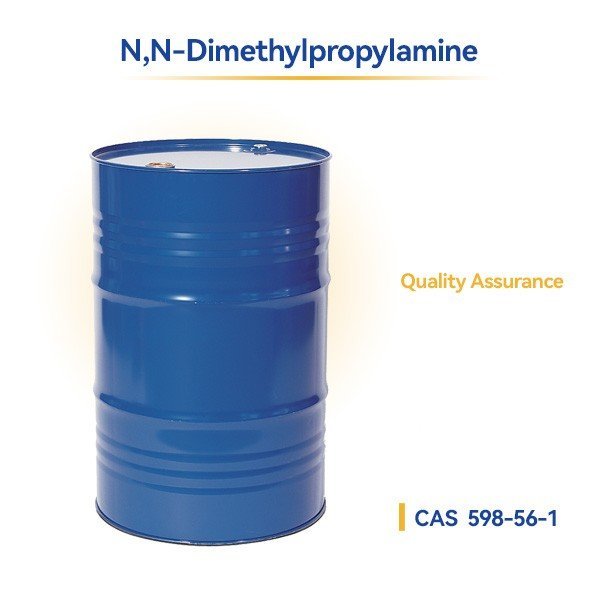
Amines
N,N-Dimethylpropylamine (DMPA)
- CAS No.
- 926-63-6
- Catalogue ID
- GTC-478
N,N-Dimethylpropylamine (DMPA), CAS 926-63-6. Source-derived identification, physical data and applications are provided for catalogue reference; request the current specification, COA and SDS for the required grade.
Catalogue aliases / related identifiers
DMPA; Dimethylpropylamine; N,N-Dimethyl-1-propanamine; Propyldimethylamine; Propylamine, N,N-dimethyl; N,N-dimethyl-n-propylamine; Dimethylammonium propane; 1-Propanamine, N,N-dimethyl-
Supplied catalogue source: GTC-478 · Page 33
Reference data — confirm before ordering or use
The information below is a structured migration from the supplied catalogue snapshot. It is not a current product specification, COA or SDS. Confirm the actual supplier, grade, batch documents, classification, packing and destination requirements for your enquiry.
N,N-Dimethylpropylamine (DMPA), CAS 926-63-6, is a crucial, short-chain tertiary amine. It is a colorless, highly volatile liquid known for its powerful basicity and high catalytic activity. With its structure—two methyl groups and one propyl group attached to the nitrogen atom—DMPA functions effectively as a low-odor catalyst and a versatile intermediate, especially favored in applications requiring a balance of reactivity and volatility.
Basic Information of DMPA
| CAS No.: | 926-63-6 |
|---|---|
| EC No.: | 213-139-9 |
| Linear Formula: | C5H13N |
| Molecular Weight: | 87.16 |
| Appearance: | Colorless, clear, volatile liquid |
| Odor: | Strong, characteristic amine odor (less pungent than some lower amines) |
| Melting Point: | -115.88°C (estimate) |
| Boiling Point: | 65.85°C |
| Density: | 0.6955 |
| Solubility: | Miscible with water and most organic solvents. |
| Flash Point: | -10°C |
| RIDADR: | UN 2266 3/PG 2 |
| Chemical Structure: | 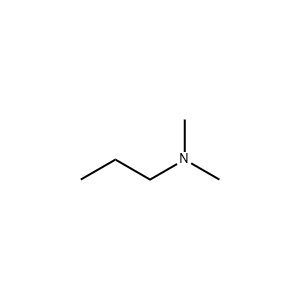 |
Application Overview
N,N-Dimethylpropylamine (DMPA) is strategically employed as a high-efficiency reagent and catalyst across several industrial applications:
Polyurethane Foaming: DMPA is a highly effective tertiary amine catalyst used primarily to drive the blowing reaction (water-isocyanate reaction) in the production of flexible, rigid, and microcellular polyurethane foams, helping to control the foam's rise and density profile.
Quaternary Salt Manufacturing: It serves as a fundamental precursor in the synthesis of various quaternary ammonium compounds. These derivatives are widely used as antistatic agents, fabric softeners, biocides, and corrosion inhibitors in the oilfield and water treatment industries.
Epoxy and Coating Curing: Due to its strong basicity, DMPA acts as an efficient accelerator or hardener for certain epoxy resin systems, especially in powder coatings and adhesives, significantly reducing the required curing time and energy.
Solvent and Neutralizing Agent: Its solubility and volatility make it suitable as a neutralizing agent in industrial process streams or as a specialty solvent where a volatile, easily removable base is required.
Intermediate for Specialty Chemicals: It is used in the synthesis of other specialized chemicals, including certain pharmaceutical intermediates and UV stabilizer compounds.
Volatile Amine Management: We utilize dedicated inert-gas blanketing systems and specialized storage vessels to prevent oxygen and moisture ingress, which can rapidly degrade volatile amines like DMPA. This preserves the product's reactivity and minimizes byproduct formation.
Hazards Classification



Before you order
Confirm the current commercial product record.
Include the required grade or purity, quantity, preferred packing, destination country/port and required document set.
- 01Current specification
- 02Batch or sample COA
- 03Product- and supplier-specific SDS
- 04Packing and shipping review
INQUIRY
Continue browsing
Related Products
Triisobutylamine
- CAS No.
- 1116-40-1
Triisobutylamine, CAS 1116-40-1. Source-derived identification, physical data and applications are provided for catalogue reference; request the current specification, COA and SDS for the required…
Diethanolamine
- CAS No.
- 111-42-2
Diethanolamine, CAS 111-42-2. Source-derived identification, physical data and applications are provided for catalogue reference; request the current specification, COA and SDS for the required…

Trimethylamine (Anhydrous)
- CAS No.
- 75-50-3
Trimethylamine (Anhydrous), CAS 75-50-3. Source-derived identification, physical data and applications are provided for catalogue reference; request the current specification, COA and SDS for the…
2-Aminoethanol (Monoethanolamine)
- CAS No.
- 141-43-5
2-Aminoethanol (Monoethanolamine), CAS 141-43-5. Source-derived identification, physical data and applications are provided for catalogue reference; request the current specification, COA and SDS for the…
Tri(2-ethylhexyl)amine
- CAS No.
- 1860-26-0
Tri(2-ethylhexyl)amine, CAS 1860-26-0. Source-derived identification, physical data and applications are provided for catalogue reference; request the current specification, COA and SDS for the required…

Triallylamine
- CAS No.
- 102-70-5
Triallylamine, CAS 102-70-5. Source-derived identification, physical data and applications are provided for catalogue reference; request the current specification, COA and SDS for the required…
Triethylamine
- CAS No.
- 121-44-8
Triethylamine, CAS 121-44-8. Source-derived identification, physical data and applications are provided for catalogue reference; request the current specification, COA and SDS for the required…

Tripentylamine
- CAS No.
- 621-77-2
Tripentylamine, CAS 621-77-2. Source-derived identification, physical data and applications are provided for catalogue reference; request the current specification, COA and SDS for the required…