GHS Classification: Flammable Liquid (GHS02), Acute Toxicity (GHS06), Skin Corrosion/Irritation (GHS05)
Hazard Statements: Highly flammable liquid and vapor; harmful if swallowed, in contact with skin or if inhaled; causes severe skin burns and eye damage.
UN Number: UN 2379
Hazard Class: 3 (Flammable Liquids)
Packing Group: II
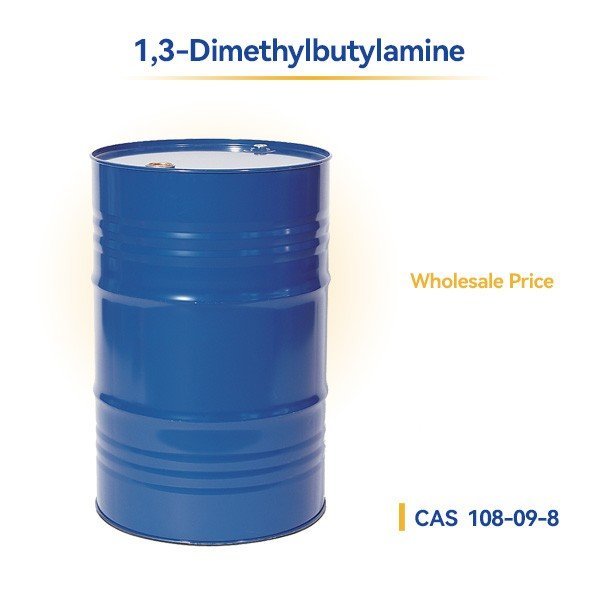
1,3-Dimethylbutylamine (1,3-DMBA)
GTC-030
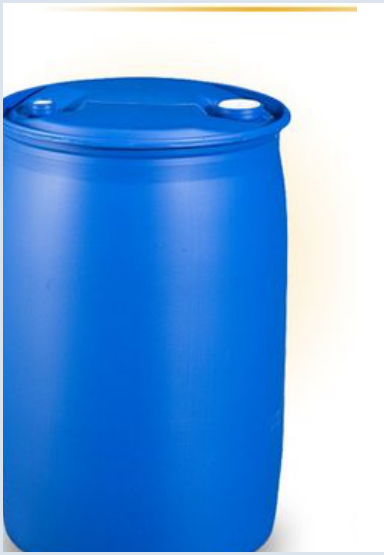
Representative packaging
Amines
1,3-Dimethylbutylamine (1,3-DMBA)
- CAS No.
- 108-09-8
- Catalogue ID
- GTC-030
1,3-Dimethylbutylamine (1,3-DMBA), CAS 108-09-8. Source-derived identification, physical data and applications are provided for catalogue reference; request the current specification, COA and SDS for the required grade.
Catalogue aliases / related identifiers
1,3-DMBA; 1,3‑Dimethylbutylamine; 4‑Methylpentan-2-amine; 2-Amino-4-methylpentane; 1,3‑Dimethylbutanamine; 1,3‑Dimethylbutylamin; DL-1,3‑Dimethylbutylamine; Butylamine, 1,3-dimethyl-
Supplied catalogue source: GTC-030 · Page 6
Reference data — confirm before ordering or use
The information below is a structured migration from the supplied catalogue snapshot. It is not a current product specification, COA or SDS. Confirm the actual supplier, grade, batch documents, classification, packing and destination requirements for your enquiry.
1,3-Dimethylbutylamine (1,3-DMBA), CAS 108-09-8, is a branched-chain primary amine. It is also systematically known as 4-Amino-2-methylpentane. This colorless, volatile liquid is a key synthetic building block valued for its unique structure, which imparts specific steric and solubility properties to derivative compounds. It plays a significant role in the production of high-performance intermediates for the pharmaceutical and agrochemical sectors.
Basic Information of 1,3-DMBA
| CAS No.: | 108-09-8 |
|---|---|
| EC No.: | 203-550-4 |
| Linear Formula: | C6H15N |
| Molecular Weight: | 101.19 |
| Appearance: | Colorless to pale yellow clear liquid |
| Odor: | Strong, pungent, ammonia-like odor |
| Melting Point: | -40.7°C (estimate) |
| Boiling Point: | 108-110 °C(lit.) |
| Density: | 0.717 g/mL at 25 °C(lit.) |
| Solubility: | Slightly soluble in water; miscible with common organic solvents like alcohol and ether. |
| Flash Point: | 55 °F |
| RIDADR: | UN 2379 3/PG 2 |
| Chemical Structure: | 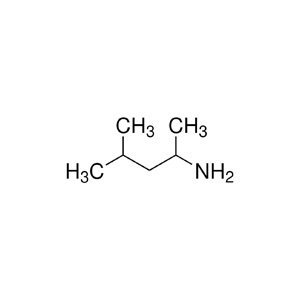 |
Application Overview
1,3-Dimethylbutylamine's unique structure—a primary amine with steric hindrance provided by the methyl groups—makes it indispensable in several specialized chemical manufacturing areas:
Agrochemical Synthesis: It is a crucial intermediate in the production of various herbicides (weed control) and insecticides. The branched nature often enhances the lipophilicity (fat solubility) and selectivity of the final agrochemical product.
Pharmaceutical Intermediates: 1,3-DMBA is used in the synthesis of complex pharmacological compounds. Its derivatives are sometimes explored in research for central nervous system agents and other specialized therapeutics where a specific molecular architecture is required.
High-Performance Solvents and Stabilizers: Derivatives of this amine can function as specialty solvents in non-aqueous systems or as stabilizers in certain rubber and polymer formulations, preventing degradation from heat or oxidation.
Surface Active Agents: It can be used as a reactant in the preparation of amphoteric surfactants or specialized corrosion inhibitors used in industrial processes.
Hazards Classification



Before you order
Confirm the current commercial product record.
Include the required grade or purity, quantity, preferred packing, destination country/port and required document set.
- 01Current specification
- 02Batch or sample COA
- 03Product- and supplier-specific SDS
- 04Packing and shipping review
INQUIRY
Continue browsing
Related Products
Triisobutylamine
- CAS No.
- 1116-40-1
Triisobutylamine, CAS 1116-40-1. Source-derived identification, physical data and applications are provided for catalogue reference; request the current specification, COA and SDS for the required…
Diethanolamine
- CAS No.
- 111-42-2
Diethanolamine, CAS 111-42-2. Source-derived identification, physical data and applications are provided for catalogue reference; request the current specification, COA and SDS for the required…

Trimethylamine (Anhydrous)
- CAS No.
- 75-50-3
Trimethylamine (Anhydrous), CAS 75-50-3. Source-derived identification, physical data and applications are provided for catalogue reference; request the current specification, COA and SDS for the…
2-Aminoethanol (Monoethanolamine)
- CAS No.
- 141-43-5
2-Aminoethanol (Monoethanolamine), CAS 141-43-5. Source-derived identification, physical data and applications are provided for catalogue reference; request the current specification, COA and SDS for the…
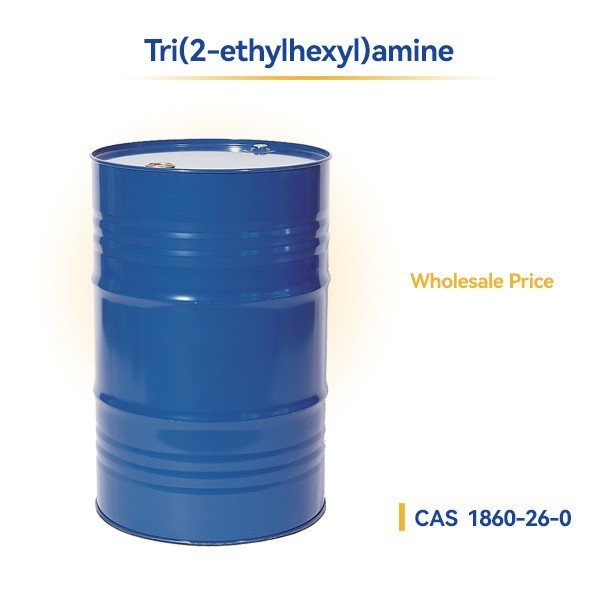
Tri(2-ethylhexyl)amine
- CAS No.
- 1860-26-0
Tri(2-ethylhexyl)amine, CAS 1860-26-0. Source-derived identification, physical data and applications are provided for catalogue reference; request the current specification, COA and SDS for the required…

Triallylamine
- CAS No.
- 102-70-5
Triallylamine, CAS 102-70-5. Source-derived identification, physical data and applications are provided for catalogue reference; request the current specification, COA and SDS for the required…
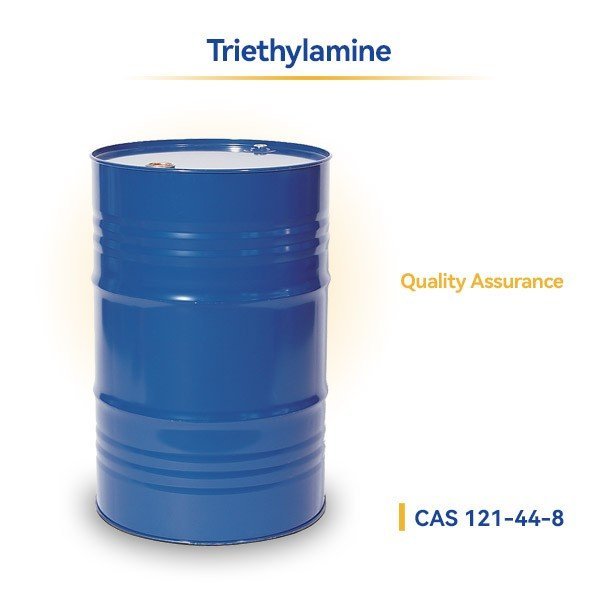
Triethylamine
- CAS No.
- 121-44-8
Triethylamine, CAS 121-44-8. Source-derived identification, physical data and applications are provided for catalogue reference; request the current specification, COA and SDS for the required…

Tripentylamine
- CAS No.
- 621-77-2
Tripentylamine, CAS 621-77-2. Source-derived identification, physical data and applications are provided for catalogue reference; request the current specification, COA and SDS for the required…