GHS Classification: Skin Corr. / Eye Damage (GHS05), Acute Toxicity — oral/inhalation/dermal (GHS06), Specific target organ toxicity — single exposure (GHS08), Flammable Liquid (GHS02)
Hazard Statements: Causes severe skin burns and eye damage (H314); toxic if swallowed, inhaled or in contact with skin (H301, H331, H311); causes damage to organs (H370); highly flammable or combustible depending on concentration (H225 / combustible liquid statement).
UN Number: UN 2924
Hazard Class: 8 (Corrosive substances); Subsidiary hazard class: 6.1 (Toxic substances)
Packing Group: I
Boron Trifluoride Methanol Complex
GTC-256
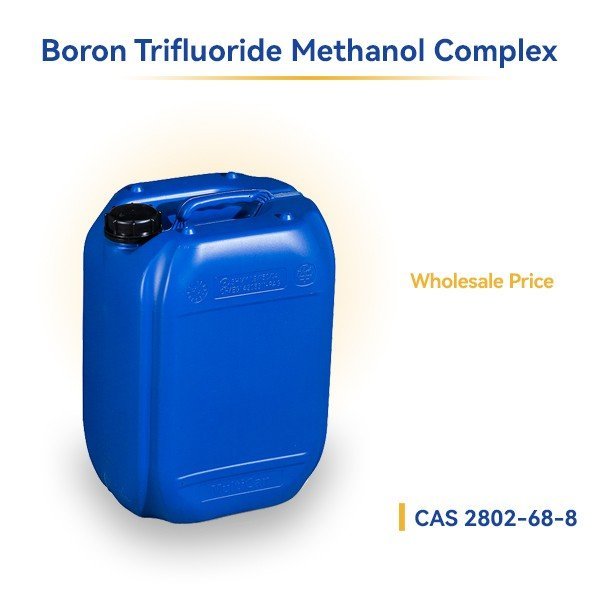
Representative packaging
Boron Compounds
Boron Trifluoride Methanol Complex
- CAS No.
- 2802-68-8
- Catalogue ID
- GTC-256
Boron Trifluoride Methanol Complex, CAS 2802-68-8. Source-derived identification, physical data and applications are provided for catalogue reference; request the current specification, COA and SDS for the required grade.
Catalogue aliases / related identifiers
Trifluoroborane dimethanol complex; Methanol-boron trifluoride complex; Boron fluoride-methanol adduct; Boron trifluoride-dimethanol adduct; Boron, (dimethanol)trifluoro-, (T-4)-; BF3-Methanol
Supplied catalogue source: GTC-256 · Page 88
Reference data — confirm before ordering or use
The information below is a structured migration from the supplied catalogue snapshot. It is not a current product specification, COA or SDS. Confirm the actual supplier, grade, batch documents, classification, packing and destination requirements for your enquiry.
Basic Information of Boron Trifluoride Methanol Complex
Boron Trifluoride Methanol Complex (CAS No. 2802-68-8) is characterized by its significant properties:
| CAS No.: | 2802-68-8 |
|---|---|
| EC No.: | 220-543-9 |
| Linear Formula: | C₂H₈BF₃O₂ |
| Molecular Weight: | 131.89 |
| Appearance: | Colorless to light orange to yellow clear liquid |
| Melting point: | -20 °C |
| Boiling point: | 58-60°C 4mm |
| Density: | 1.22-1.25 g/mL at 20 °C |
| Solubility | Miscible with alcohols, ethers, esters; reacts exothermically with water. |
| Flash Point: | 64 °C |
| Nature: | Strong Lewis acid. |
| RIDADR: | UN 2924 6.1/PG 3 |
| Chemical Structure: |  |
These attributes make it a preferred catalytic system in processes where a controlled acidic environment is required.
Main Functions and Applications of Boron Trifluoride Methanol Complex
As an Esterification Reagent for Acids: The boron trifluoride methanol complex serves as an effective acidic reagent to promote esterification reactions, particularly for the synthesis of methyl esters.
For the Selective Cleavage of Ethers: In organic synthesis, it can be used for the selective cleavage of various ether linkages under specific conditions, offering a valuable tool for complex molecule synthesis.
Deconjugation of Acetylamides in Anthocyanin Dyes: Boron trifluoride methanol complexes can also be utilized in specialized applications, such as for the deconjugation of acetylamides in anthocyanin dyes, yielding products with free amino groups.
Lewis Acid and Catalyst in Organic Synthesis: Boron trifluoride methanol solution is commonly used as a highly effective Lewis acid catalyst in organic chemistry, particularly in promoting and accelerating a wide range of organic reactions beyond esterification.
Olefin Polymerization Field: This complex plays a significant role in the olefin polymerization field. For example, it is used as a key catalyst in the synthesis of polyalphaolefins (PAO), which serve as crucial lubricating oil base stocks.
Technical Expertise: Our knowledgeable team is always available to provide comprehensive support and answer any technical questions you may have regarding product application, handling, and safety.
Commitment to Quality & Safety: We adhere to the highest quality control, safety, and environmental standards throughout our operations.
Hazards Classification




Before you order
Confirm the current commercial product record.
Include the required grade or purity, quantity, preferred packing, destination country/port and required document set.
- 01Current specification
- 02Batch or sample COA
- 03Product- and supplier-specific SDS
- 04Packing and shipping review
INQUIRY
Continue browsing
Related Products
Boron Trifluoride Acetic Acid Complex
- CAS No.
- 373-61-5
Boron Trifluoride Acetic Acid Complex, CAS 373-61-5. Source-derived identification, physical data and applications are provided for catalogue reference; request the current specification, COA and…
Boron Trifluoride Acetonitrile Complex
- CAS No.
- 420-16-6
Boron Trifluoride Acetonitrile Complex, CAS 420-16-6. Source-derived identification, physical data and applications are provided for catalogue reference; request the current specification, COA and SDS…
Boron Trifluoride Anisole Complex
- CAS No.
- 622-45-7
Boron Trifluoride Anisole Complex, CAS 622-45-7. Source-derived identification, physical data and applications are provided for catalogue reference; request the current specification, COA and SDS…
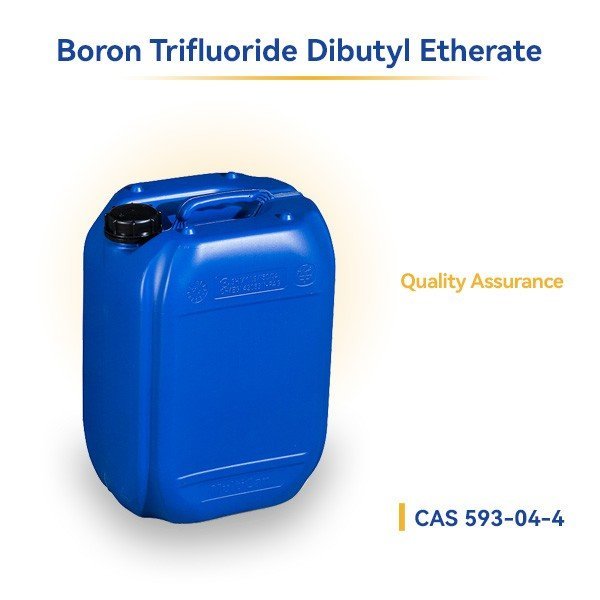
Boron Trifluoride Dibutyl Etherate
- CAS No.
- 593-04-4
Boron Trifluoride Dibutyl Etherate, CAS 593-04-4. Source-derived identification, physical data and applications are provided for catalogue reference; request the current specification, COA and SDS…
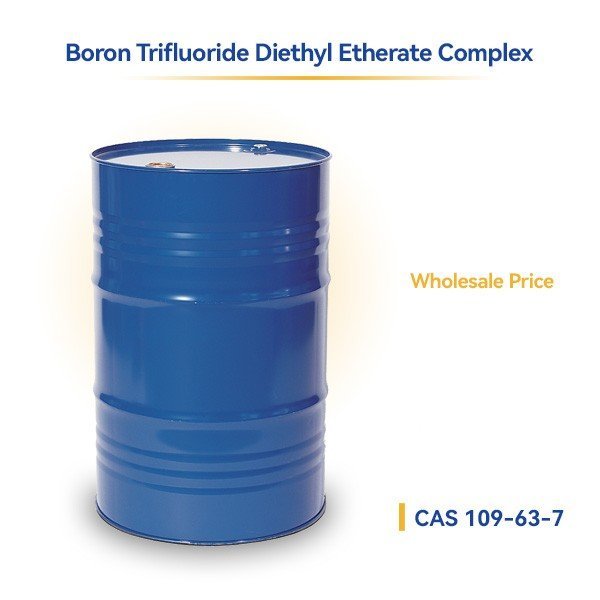
Boron Trifluoride Diethyl Etherate Complex
- CAS No.
- 109-63-7
Boron Trifluoride Diethyl Etherate Complex, CAS 109-63-7. Source-derived identification, physical data and applications are provided for catalogue reference; request the current specification, COA and…
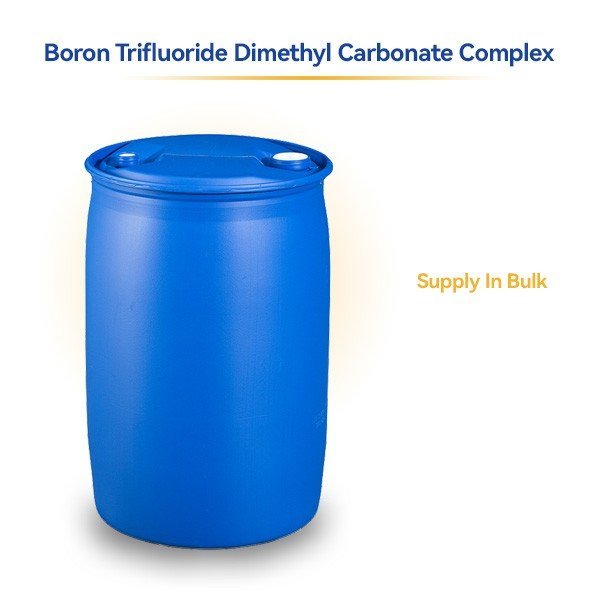
Boron Trifluoride Dimethyl Carbonate Complex 99610-25-0
- CAS No.
- 99610-25-0
Boron Trifluoride Dimethyl Carbonate Complex 99610-25-0, CAS 99610-25-0. Source-derived identification, physical data and applications are provided for catalogue reference; request the current specification, COA…
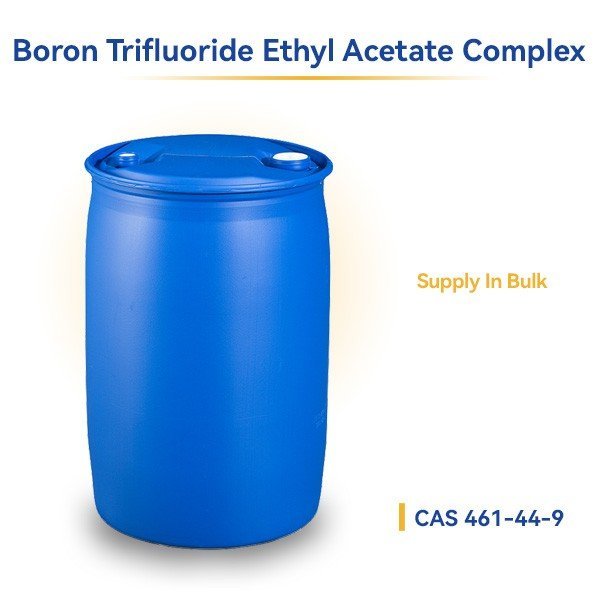
Boron Trifluoride Ethyl Acetate Complex
- CAS No.
- 461-44-9
Boron Trifluoride Ethyl Acetate Complex, CAS 461-44-9. Source-derived identification, physical data and applications are provided for catalogue reference; request the current specification, COA and…
Boron Trifluoride Piperidine Complex
- CAS No.
- 592-39-2
Boron Trifluoride Piperidine Complex, CAS 592-39-2. Source-derived identification, physical data and applications are provided for catalogue reference; request the current specification, COA and SDS…