GHS Classification: Acute Toxicity (GHS06), Irritant (GHS07), Health Hazard (GHS08)
Hazard Statements: Harmful if swallowed; causes skin irritation; causes serious eye damage; may cause respiratory irritation.
UN Number: UN 1648
Hazard Class: 6.1
Packing Group: 3
Salicylic Acid
GTC-581
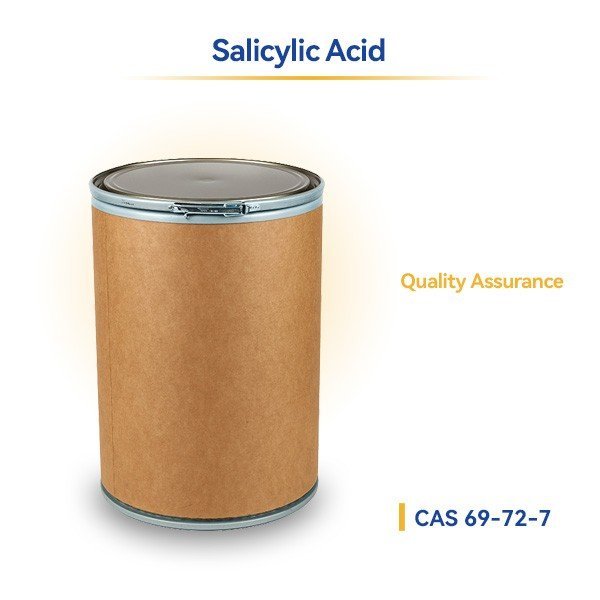
Representative packaging
Carboxylic Acids
Salicylic Acid
- CAS No.
- 69-72-7
- Catalogue ID
- GTC-581
Salicylic Acid, CAS 69-72-7. Source-derived identification, physical data and applications are provided for catalogue reference; request the current specification, COA and SDS for the required grade.
Catalogue aliases / related identifiers
2-Hydroxybenzoic acid; o-Hydroxybenzoic acid; o-Carboxyphenol; 2-Carboxyphenol; SA; Spiraeic acid; Spiroylic acid; Spiroylous acid
Supplied catalogue source: GTC-581 · Page 37
Reference data — confirm before ordering or use
The information below is a structured migration from the supplied catalogue snapshot. It is not a current product specification, COA or SDS. Confirm the actual supplier, grade, batch documents, classification, packing and destination requirements for your enquiry.
Basic Information of Salicylic Acid
Salicylic Acid (CAS No. 69-72-7) is meticulously manufactured to meet stringent quality standards, ensuring exceptional purity and consistent performance for your specific applications:
| CAS No.: | 69-72-7 |
|---|---|
| EC No.: | 200-712-3 |
| Linear Formula: | C₆H₄(OH)COOH |
| Molecular Weight: | 138.12 |
| Appearance: | Transparent Liquid |
| Odor: | Odorless or faint characteristic odor. |
| Melting Point: | 158-161 °C(lit.) |
| Boiling point: | 211 °C(lit.) |
| Density: | 1.44 |
| Solubility: | Sparingly soluble in water; readily soluble in ethanol, ether, and chloroform. |
| Flash Point: | 157 °C |
| Nature: | Mildly acidic (due to carboxyl group), possesses exfoliating and anti-inflammatory properties, acts as a precursor in |
| RIDADR: | UN 1648 6.1 / PGIII |
| Chemical Structure: | 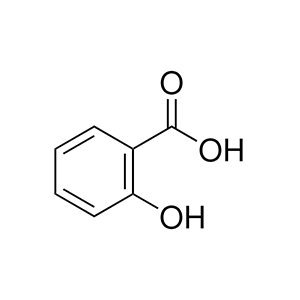 |
Our commitment to delivering high-purity Salicylic Acid guarantees a reliable product essential for your diverse manufacturing processes.
Primary Applications of Salicylic Acid (2-Hydroxybenzoic Acid)
Salicylic Acid's unique chemical structure, combining both a hydroxyl group and a carboxylic acid group on a benzene ring, underpins its wide-ranging utility:
Dermatological & Cosmetic Uses:
Salicylic Acid is a highly valued ingredient in dermatology and cosmetics. As a beta-hydroxy acid (BHA), it's lipophilic, allowing it to penetrate oil glands and exfoliate inside the pores. This makes it highly effective in treating:
Acne and Blemishes: Common in cleansers, toners, and spot treatments for its ability to unclog pores and reduce inflammation.
Psoriasis and Seborrheic Dermatitis: Helps to soften and shed scales.
Warts and Calluses: Acts as a keratolytic agent, dissolving the intercellular cement that holds skin cells together.
Pharmaceutical Active Pharmaceutical Ingredient (API):
Beyond its topical uses, Salicylic Acid is a direct pharmaceutical agent itself. It possesses analgesic (pain-relieving), anti-inflammatory, and antipyretic (fever-reducing) properties. It's used in various formulations for relief of minor aches and pains.
Precursor for Aspirin Synthesis:
One of its most historically significant and large-scale uses is as the primary raw material for the synthesis of Acetylsalicylic Acid (Aspirin), a globally recognized analgesic, anti-inflammatory, and antiplatelet drug.
Chemical Intermediate:
Salicylic Acid serves as a versatile intermediate in the synthesis of a variety of specialty chemicals, including:
Methyl Salicylate: Used as a flavoring agent (wintergreen oil) and a topical analgesic.
Phenyl Salicylate: Used as a UV absorber and in some dermatological preparations.
Dyes and Pigments: Certain derivatives are used in the production of dyes.
Fragrances: Components in the fragrance industry.
Preservative:
Its antimicrobial properties make it useful as a preservative in some food and cosmetic applications.
Exceptional Purity & Consistency: Our Salicylic Acid is produced to exacting purity standards, ensuring optimal efficacy for pharmaceutical, cosmetic, and chemical synthesis applications.
Commitment to Quality & Safety: We adhere to the highest industry standards for quality management, safety, and environmental responsibility across all our operations, ensuring peace of mind for our clients.
Hazards Classification



Before you order
Confirm the current commercial product record.
Include the required grade or purity, quantity, preferred packing, destination country/port and required document set.
- 01Current specification
- 02Batch or sample COA
- 03Product- and supplier-specific SDS
- 04Packing and shipping review
INQUIRY
Continue browsing
Related Products
Methacrylic Acid (Stabilized)
- CAS No.
- 79-41-4
Methacrylic Acid (Stabilized), CAS 79-41-4. Source-derived identification, physical data and applications are provided for catalogue reference; request the current specification, COA and SDS for…
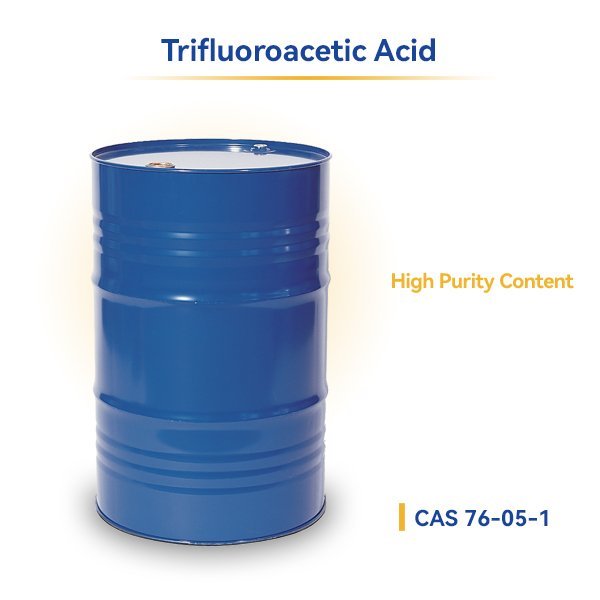
Trifluoroacetic Acid
- CAS No.
- 76-05-1
Trifluoroacetic Acid, CAS 76-05-1. Source-derived identification, physical data and applications are provided for catalogue reference; request the current specification, COA and SDS for the…
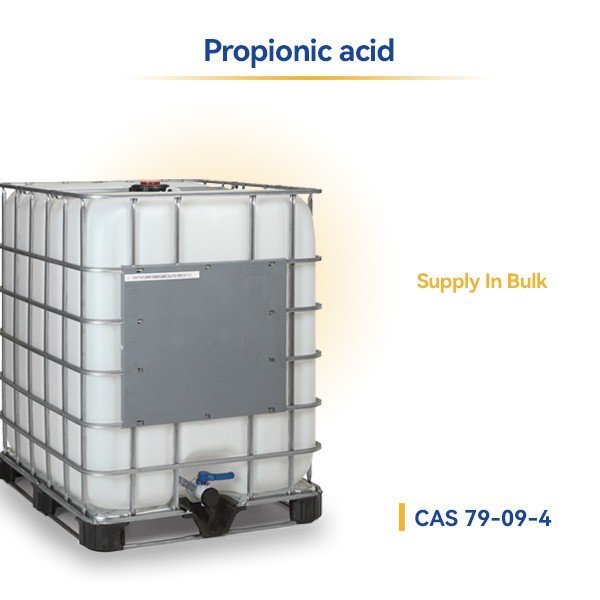
Propionic Acid
- CAS No.
- 79-09-4
Propionic Acid, CAS 79-09-4. Source-derived identification, physical data and applications are provided for catalogue reference; request the current specification, COA and SDS for the…
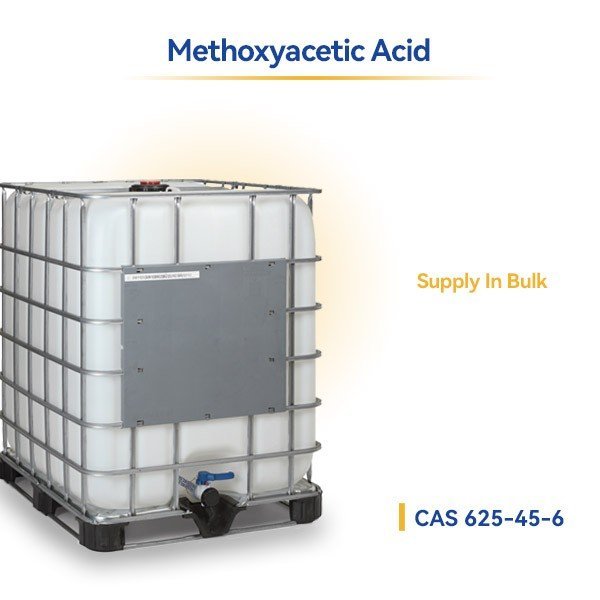
Methoxyacetic Acid
- CAS No.
- 625-45-6
Methoxyacetic Acid, CAS 625-45-6. Source-derived identification, physical data and applications are provided for catalogue reference; request the current specification, COA and SDS for the…
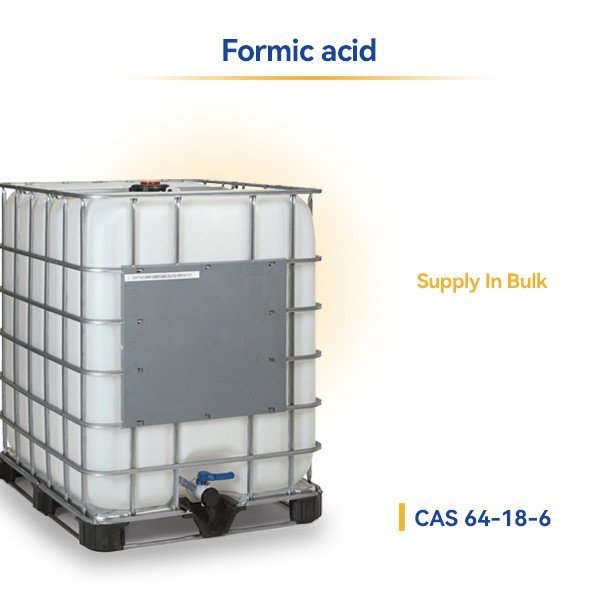
Formic Acid
- CAS No.
- 64-18-6
Formic Acid, CAS 64-18-6. Source-derived identification, physical data and applications are provided for catalogue reference; request the current specification, COA and SDS for the…
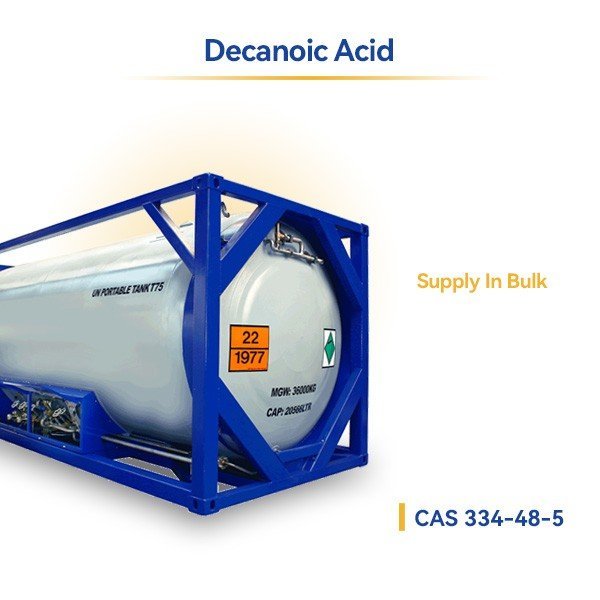
Decanoic Acid
- CAS No.
- 334-48-5
Decanoic Acid, CAS 334-48-5. Source-derived identification, physical data and applications are provided for catalogue reference; request the current specification, COA and SDS for the…

Acetic Acid
- CAS No.
- 64-19-7
Acetic Acid, CAS 64-19-7. Source-derived identification, physical data and applications are provided for catalogue reference; request the current specification, COA and SDS for the…
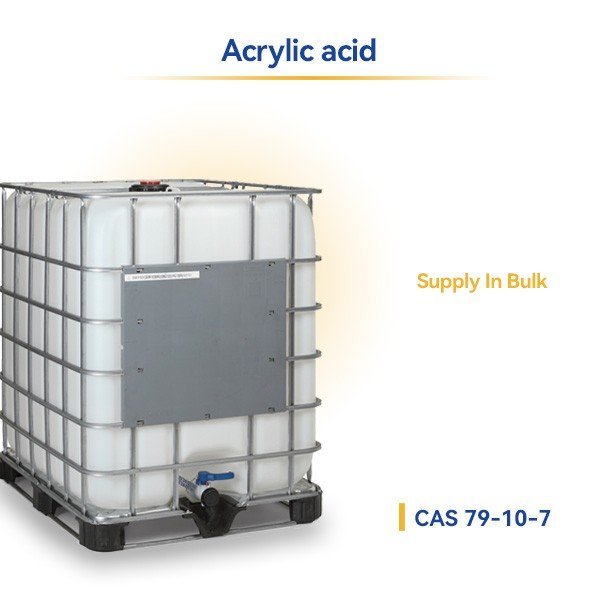
Acrylic Acid
- CAS No.
- 79-10-7
Acrylic Acid, CAS 79-10-7. Source-derived identification, physical data and applications are provided for catalogue reference; request the current specification, COA and SDS for the…