GHS Classification: Corrosive (GHS05), Acute Toxicity (GHS06), Flammable Liquid (GHS02)
Hazard Statements: Causes severe skin burns and eye damage; toxic if inhaled; flammable liquid and vapor.
UN Number: UN 1779
Hazard Class: 8 (Corrosive Substances), 3 (Flammable Liquids)
Packing Group: II
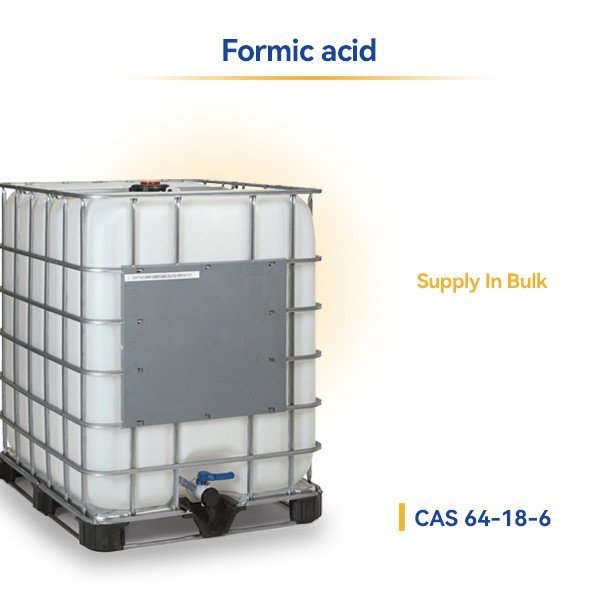
Formic Acid
GTC-362
Representative packaging
Carboxylic Acids
Formic Acid
- CAS No.
- 64-18-6
- Catalogue ID
- GTC-362
Formic Acid, CAS 64-18-6. Source-derived identification, physical data and applications are provided for catalogue reference; request the current specification, COA and SDS for the required grade.
Catalogue aliases / related identifiers
Methanoic acid; Formylic acid; Aminic acid
Supplied catalogue source: GTC-362 · Page 24
Reference data — confirm before ordering or use
The information below is a structured migration from the supplied catalogue snapshot. It is not a current product specification, COA or SDS. Confirm the actual supplier, grade, batch documents, classification, packing and destination requirements for your enquiry.
Basic Information of Acrylic Acid
Formic Acid (CAS No. 64-18-6) is produced to meet rigorous purity standards, ensuring exceptional quality and consistent performance for your specific industrial and commercial requirements:
| CAS No.: | 64-18-6 |
|---|---|
| EC No.: | 200-579-1 |
| Linear Formula: | HCOOH |
| Molecular Weight: | 46.03 |
| Appearance: | Transparent Liquid |
| Odor | Pungent, irritating odor |
| Melting Point: | 8.2-8.4 °C (lit.) |
| Boiling point | 100-101 °C (lit.) |
| Density: | 1.22 g/mL at 25 °C (lit.) |
| Solubility: | Miscible with water and many organic solvents. |
| Flash Point: | 133 °F |
| Purity: | Corrosive, flammable liquid. It also possesses mild reducing properties. |
| RIDADR: | UN 1779 8,3/PG 2 |
| Chemical Structure: | 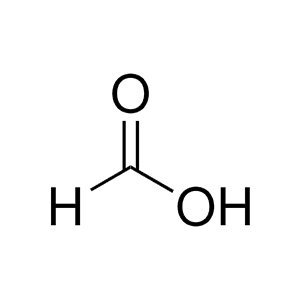 |
Our commitment to delivering high-purity Formic Acid guarantees a reliable product essential for your diverse manufacturing processes.
Primary Applications of Formic Acid (Methanoic Acid)
Formic Acid's distinctive chemical structure, featuring both a carboxylic acid and an aldehyde-like group, underpins its wide-ranging utility:
Preservative in Animal Feed:
Formic Acid is widely used as a preservative and antibacterial agent in livestock feed and silage. It effectively inhibits the growth of harmful bacteria and fungi, preventing spoilage and retaining the nutritional value of feed, leading to improved animal health and productivity.
Leather Tanning and Textile Dyeing:
In the leather industry, Formic Acid is a crucial chemical for tanning, deliming, and dyeing processes. It acts as a leveling agent in dyeing, ensuring uniform color absorption, and as an acidifier in tanning to achieve desired leather properties.
Chemical Intermediate & Reducing Agent:
As a versatile chemical building block, Formic Acid is employed in the synthesis of various compounds, including:
Formate Esters: Used as solvents, plasticizers, and flavoring agents.
Pharmaceuticals: An intermediate in the production of certain drugs and pharmaceutical chemicals.
Pesticides: Used in the synthesis of some agricultural chemicals.
Rubber Production: Employed as a coagulant in the production of natural rubber latex.
Reducing Agent: Its unique structure allows it to act as a reducing agent in various organic reactions, for example, in the synthesis of organic chemicals.
Cleaning Agents & Descaling:
Formic Acid's acidic nature makes it effective in some cleaning formulations, particularly for descaling and rust removal, often used in industrial and household cleaning products.
Food Industry:
In certain regions, it is used as a food additive (E236) for its preservative properties, though less common than other acids like acetic or propionic acid.
Exceptional Purity: Our Formic Acid is manufactured to high purity standards, ensuring reliable and effective performance in your specific applications.
Commitment to Quality & Safety: We adhere to the highest industry standards for quality management, safety, and environmental responsibility across all our operations.
Hazards Classification



Before you order
Confirm the current commercial product record.
Include the required grade or purity, quantity, preferred packing, destination country/port and required document set.
- 01Current specification
- 02Batch or sample COA
- 03Product- and supplier-specific SDS
- 04Packing and shipping review
INQUIRY
Continue browsing
Related Products
Methacrylic Acid (Stabilized)
- CAS No.
- 79-41-4
Methacrylic Acid (Stabilized), CAS 79-41-4. Source-derived identification, physical data and applications are provided for catalogue reference; request the current specification, COA and SDS for…
Trifluoroacetic Acid
- CAS No.
- 76-05-1
Trifluoroacetic Acid, CAS 76-05-1. Source-derived identification, physical data and applications are provided for catalogue reference; request the current specification, COA and SDS for the…
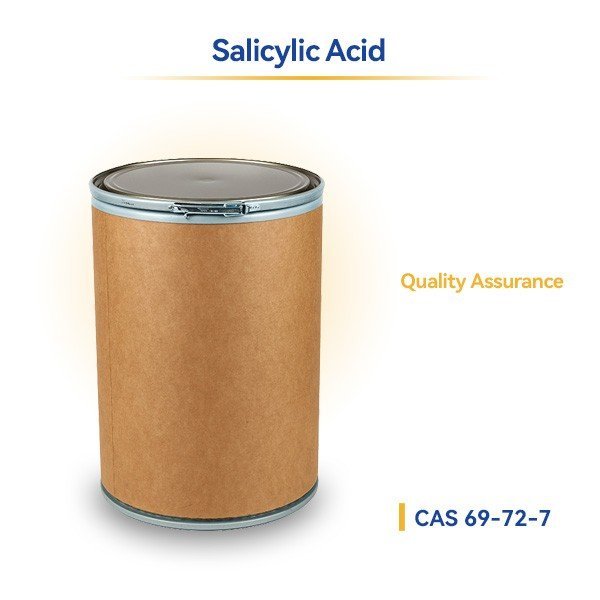
Salicylic Acid
- CAS No.
- 69-72-7
Salicylic Acid, CAS 69-72-7. Source-derived identification, physical data and applications are provided for catalogue reference; request the current specification, COA and SDS for the…
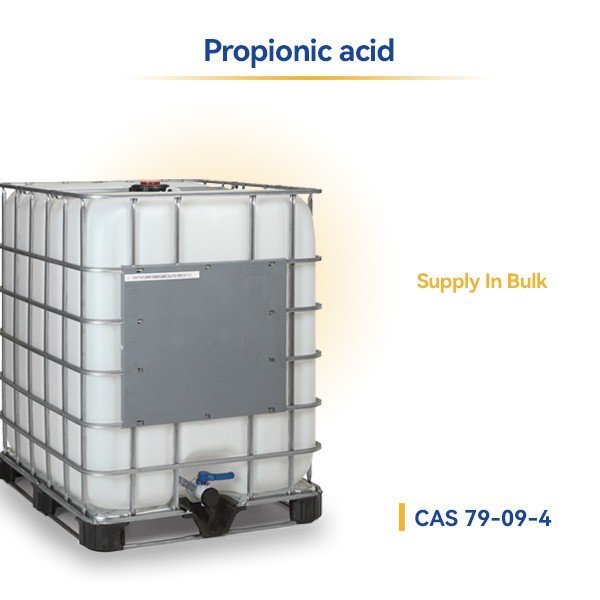
Propionic Acid
- CAS No.
- 79-09-4
Propionic Acid, CAS 79-09-4. Source-derived identification, physical data and applications are provided for catalogue reference; request the current specification, COA and SDS for the…
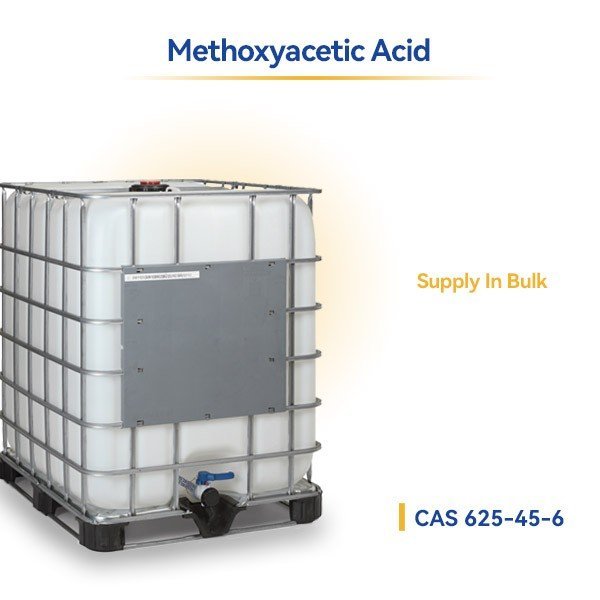
Methoxyacetic Acid
- CAS No.
- 625-45-6
Methoxyacetic Acid, CAS 625-45-6. Source-derived identification, physical data and applications are provided for catalogue reference; request the current specification, COA and SDS for the…
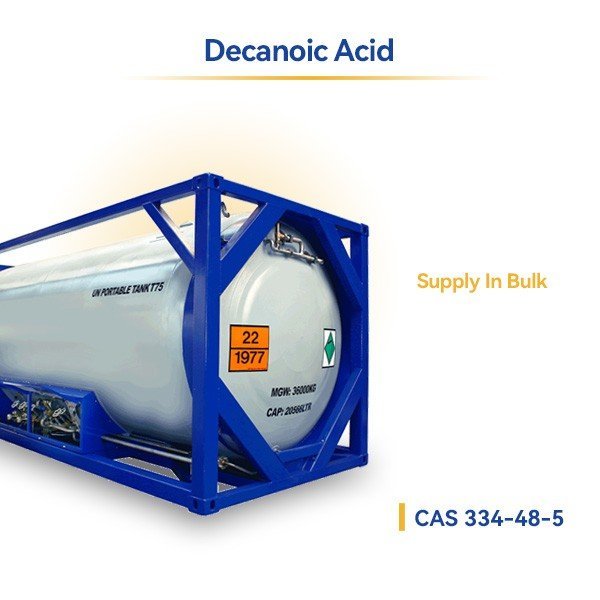
Decanoic Acid
- CAS No.
- 334-48-5
Decanoic Acid, CAS 334-48-5. Source-derived identification, physical data and applications are provided for catalogue reference; request the current specification, COA and SDS for the…

Acetic Acid
- CAS No.
- 64-19-7
Acetic Acid, CAS 64-19-7. Source-derived identification, physical data and applications are provided for catalogue reference; request the current specification, COA and SDS for the…
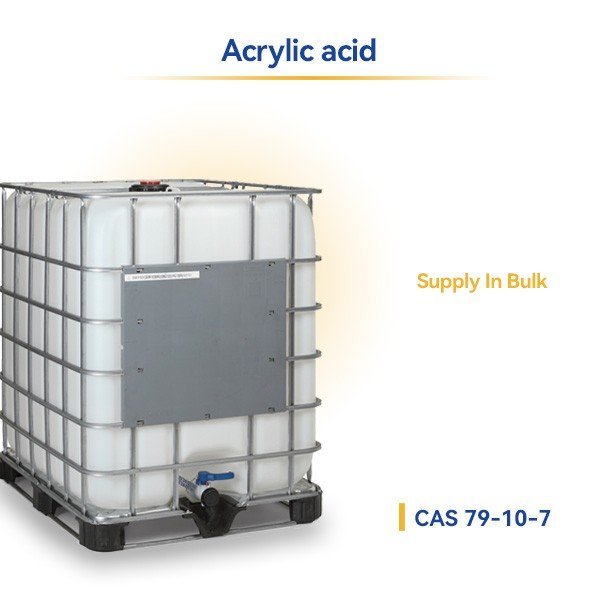
Acrylic Acid
- CAS No.
- 79-10-7
Acrylic Acid, CAS 79-10-7. Source-derived identification, physical data and applications are provided for catalogue reference; request the current specification, COA and SDS for the…