M-Tolidine CAS 84-67-3 for Aromatic Diamine and Specialty Polymer Synthesis
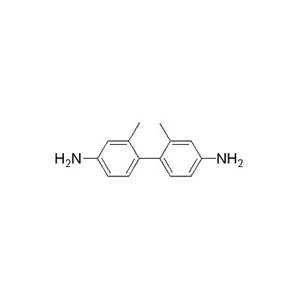
2,2'-Dimethyl-[1,1'-biphenyl]-4,4'-diamine, commonly known as M-Tolidine, is a methyl-substituted biphenyl aromatic diamine monomer used as a structural building block in specialty polymer synthesis, organic intermediate development and advanced material research. Its biphenyl backbone, methyl substituents and dual amine functionality make M-Tolidine relevant to polymer systems where molecular rigidity, aromatic structure, reactivity and material design flexibility need to be balanced.
Basic Information of M-Tolidine
Key Features in Polymer Design
Methyl-substituted biphenyl diamine structure, relevant to specialty polyimide diamine monomers and aromatic polymer building blocks.
Rigid biphenyl backbone may support molecular stiffness and structural control depending on the paired co-monomer and polymer architecture.
Methyl substituents may influence molecular packing, polarity and processability in selected aromatic polymer systems.
Dual amine functionality makes M-Tolidine suitable for evaluation in polymer chain extension, condensation reactions and specialty organic intermediate development.
Final material properties depend on monomer purity, co-monomer selection, solvent system, reaction conditions and polymer processing method.
Pairing M-Tolidine with Dianhydride Monomers
In polyimide synthesis, M-Tolidine may be evaluated with selected polyimide dianhydride monomers to design aromatic, low-polarity or specialty PI systems. Rigid aromatic dianhydrides such as BPDA CAS 2420-87-3 or BTDA CAS 2421-28-5 may support thermal resistance and dimensional stability.
Fluorinated dianhydrides such as 6FDA CAS 1107-00-2 may be considered when dielectric behavior, free volume or moisture-related properties are part of the target polymer design, while ether-containing dianhydrides such as ODPA CAS 1823-59-2 may help adjust processability and film-forming behavior.
Application Context of M-Tolidine in Specialty Material Systems
M-Tolidine is typically used as a structural aromatic diamine intermediate rather than a finished application material. It is commonly discussed in specialty polymer, organic electronic material, dye intermediate and framework material research contexts where biphenyl structure and diamine reactivity can influence material design.
Electronics and semiconductor polyimide applications – low-polarity, insulation and electronic material research contexts.
Specialty functional polymer materials – aromatic diamine selection for advanced polymer and organic material research.
Dyes and pigment intermediates – M-Tolidine can be considered as an aromatic diamine intermediate in selected organic synthesis routes.
Framework material research – biphenyl diamine structures may be evaluated in COF, MOF or separation-related material studies depending on the synthetic route.
Processable polymer system development – monomer structure and substituent effects in specialty polymer formulation studies.
Related Polyimide Monomers and Specialty Intermediates
BPDA CAS 2420-87-3 – rigid aromatic dianhydride for low-CTE and high-temperature PI films.
BTDA CAS 2421-28-5 – benzophenone-type aromatic dianhydride for thermally stable PI resins and coatings.
BAPB CAS 13080-85-8 – ether-containing biphenyl aromatic diamine for processable and heat-resistant polyimide systems.
SDS, TDS and Technical Documentation
Please share the required purity, target specification, quantity, destination country or port, preferred packaging method and required documents so we can review availability, documentation support and export packing options.
![Representative packaging for 2,2′-Dimethyl-[1,1′-biphenyl]-4,4′-Diamine (M-Tolidine)](https://yashachem.com/wp-content/plugins/yashachem-catalogue/assets/product-images/gtc-428.jpg)