GHS Classification: Flammable Liquid (GHS02), Acute Toxicity (GHS06), Corrosive (GHS05)
Hazard Statements: Flammable liquid and vapor; harmful if swallowed, in contact with skin or if inhaled; causes severe skin burns and eye damage.
UN Number: UN 2734
Hazard Class: 3 (Flammable Liquids)
Packing Group: II
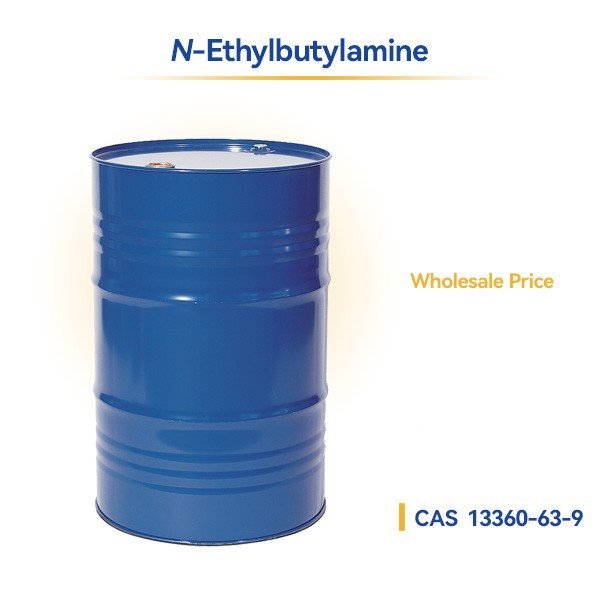
N-Ethylbutylamine
GTC-468
Representative packaging
Amines
N-Ethylbutylamine
- CAS No.
- 13360-63-9
- Catalogue ID
- GTC-468
N-Ethylbutylamine, CAS 13360-63-9. Source-derived identification, physical data and applications are provided for catalogue reference; request the current specification, COA and SDS for the required grade.
Catalogue aliases / related identifiers
N-Ethyl-n-butylamine; Butyl(ethyl)amine; Butylethylamine; Ethyl-n-butylamine; N-Butylethylamine; N-Butyl-N-ethylamine
Supplied catalogue source: GTC-468 · Page 32
Reference data — confirm before ordering or use
The information below is a structured migration from the supplied catalogue snapshot. It is not a current product specification, COA or SDS. Confirm the actual supplier, grade, batch documents, classification, packing and destination requirements for your enquiry.
Basic Information of N-Ethylbutylamine
| CAS No.: | 13360-63-9 |
|---|---|
| EC No.: | 236-415-0 |
| Linear Formula: | C6H15N |
| Molecular Weight: | 101.19 g/mol |
| Appearance: | Clear, colorless to pale yellow liquid |
| Odor: | Aminic, characteristic |
| Melting Point: | -87.87°C (estimate) |
| Boiling Point: | 108 °C (lit.) |
| Density: | 0.74 g/mL at 25 °C (lit.) |
| Solubility: | Miscible with organic solvents; partial solubility in water |
| Flash Point: | 18 °C |
| RIDADR: | UN 2734 3/PG 2 |
| Chemical Structure: | 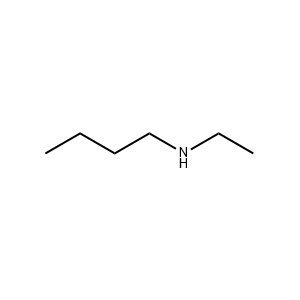 |
Application Overview
N-Ethylbutylamine plays an important role across several industries due to its solubility profile, balanced volatility, and reactivity typical of secondary amines. Its structure makes it suitable for nucleophilic substitution, salt formation, alkylation, and condensation reactions used in fine chemical synthesis. Major application areas include:
Pharmaceutical Intermediates – Utilized in API precursor synthesis, amide formation, and auxiliary reagents for medicinal compound development.
Agrochemical Manufacturing – Serves as a building block for herbicide, pesticide, and plant growth regulator intermediates.
Specialty Chemical Synthesis – Used in the creation of surfactants, corrosion inhibitors, catalysts, and functional alkyl amines.
Polymer & Resin Modification – Contributes to amine-functional curing agents, crosslinking components, and customized resin systems.
Flavors & Fragrance Intermediates – Supports synthesis of specialty odorants and fine fragrance building blocks.
Laboratory Research – Suitable for general organic synthesis, mechanism studies, and development of novel alkyl amine derivatives.
Consistent Purity Control – Each batch is produced under controlled conditions with strict analytical verification.
Industry-Specific Customization – Packaging, concentration, and documentation can be tailored to pharmaceutical, agricultural, or industrial requirements.
Efficient Global Logistics – Experienced in handling classified amines, ensuring safe and compliant worldwide delivery.
Transparent Technical Documentation – COA, SDS, TDS, and other compliance documents are readily available.
Long-Term Supply Stability – Supported by multi-source production partnerships and maintained stock levels to minimize disruptions.
Hazards Classification



Before you order
Confirm the current commercial product record.
Include the required grade or purity, quantity, preferred packing, destination country/port and required document set.
- 01Current specification
- 02Batch or sample COA
- 03Product- and supplier-specific SDS
- 04Packing and shipping review
INQUIRY
Continue browsing
Related Products
Triisobutylamine
- CAS No.
- 1116-40-1
Triisobutylamine, CAS 1116-40-1. Source-derived identification, physical data and applications are provided for catalogue reference; request the current specification, COA and SDS for the required…

Diethanolamine
- CAS No.
- 111-42-2
Diethanolamine, CAS 111-42-2. Source-derived identification, physical data and applications are provided for catalogue reference; request the current specification, COA and SDS for the required…

Trimethylamine (Anhydrous)
- CAS No.
- 75-50-3
Trimethylamine (Anhydrous), CAS 75-50-3. Source-derived identification, physical data and applications are provided for catalogue reference; request the current specification, COA and SDS for the…

2-Aminoethanol (Monoethanolamine)
- CAS No.
- 141-43-5
2-Aminoethanol (Monoethanolamine), CAS 141-43-5. Source-derived identification, physical data and applications are provided for catalogue reference; request the current specification, COA and SDS for the…
Tri(2-ethylhexyl)amine
- CAS No.
- 1860-26-0
Tri(2-ethylhexyl)amine, CAS 1860-26-0. Source-derived identification, physical data and applications are provided for catalogue reference; request the current specification, COA and SDS for the required…

Triallylamine
- CAS No.
- 102-70-5
Triallylamine, CAS 102-70-5. Source-derived identification, physical data and applications are provided for catalogue reference; request the current specification, COA and SDS for the required…
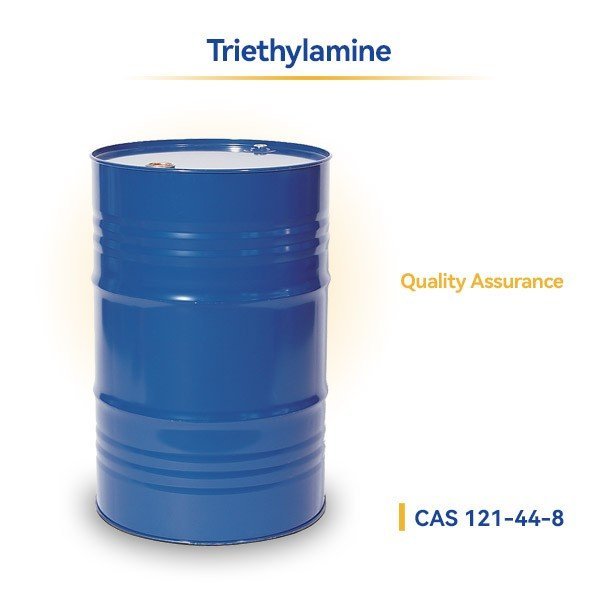
Triethylamine
- CAS No.
- 121-44-8
Triethylamine, CAS 121-44-8. Source-derived identification, physical data and applications are provided for catalogue reference; request the current specification, COA and SDS for the required…

Tripentylamine
- CAS No.
- 621-77-2
Tripentylamine, CAS 621-77-2. Source-derived identification, physical data and applications are provided for catalogue reference; request the current specification, COA and SDS for the required…