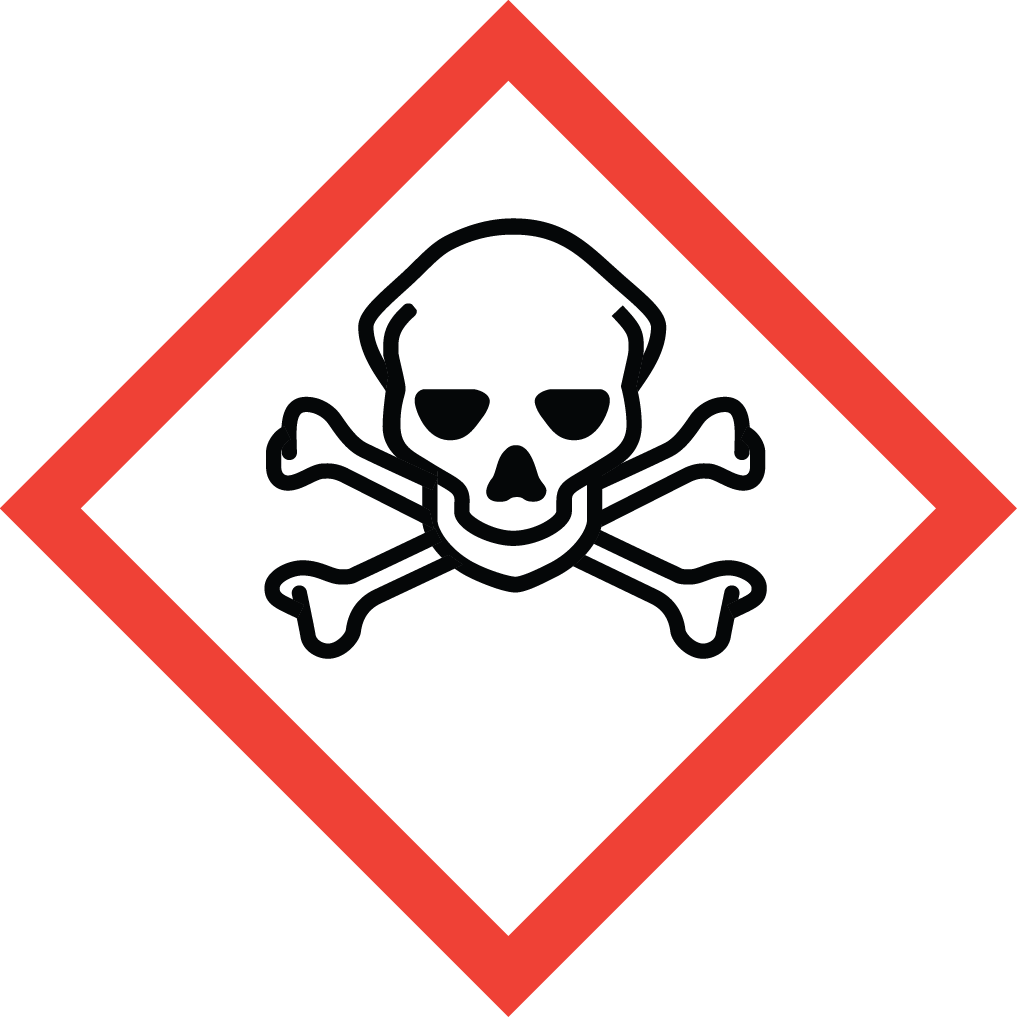
GHS Classification: Flammable Liquid (GHS02), Acute Toxicity (GHS06), Corrosive (GHS05)
Hazard Statements: Flammable liquid and vapor; harmful if swallowed; harmful in contact with skin; harmful if inhaled; causes severe skin burns and eye damage.
UN Number: UN 2361
Hazard Class: 3 (Flammable Liquids)
Packing Group: III
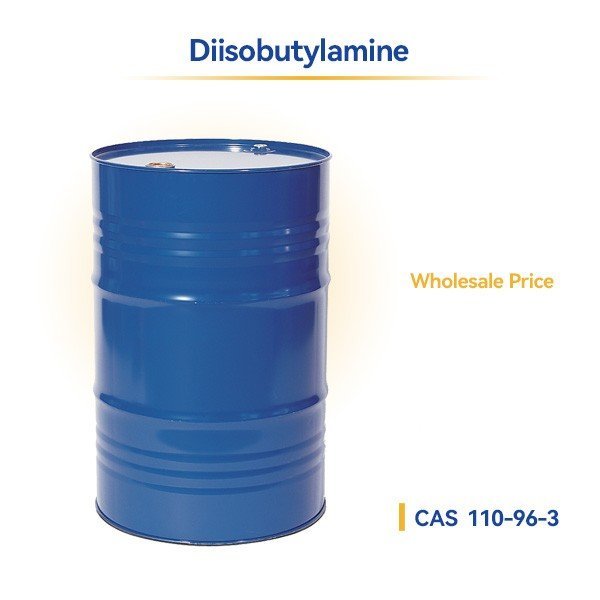
Diisobutylamine
GTC-326
Representative packaging
Amines
Diisobutylamine (CAS 110-96-3)
Get a quote for CAS 110-96-3Request a sampleSend grade, quantity and destination · reply within 1 business day
- CAS No.
- 110-96-3
- Catalogue ID
- GTC-326
Diisobutylamine, CAS 110-96-3. Source-derived identification, physical data and applications are provided for catalogue reference; request the current specification, COA and SDS for the required grade.
Catalogue aliases / related identifiers
N-(2-Methylpropyl)-2-methylpropan-1-amine; Di-isobutylamine; Bis(2-methylpropyl)amine; DIPA; DIBA; 1-Propanamine
- Samples available
- TDS · COA · SDS on request
- Export packing & shipping review
Supplied catalogue source: GTC-326 · Page 20
Reference data — confirm before ordering or use
The information below is a structured migration from the supplied catalogue snapshot. It is not a current product specification, COA or SDS. Confirm the actual supplier, grade, batch documents, classification, packing and destination requirements for your enquiry.
Diisobutylamine is a tertiary aliphatic amine recognized for its low basicity, excellent solvency, and stable performance across a wide range of chemical processes. Its branched structure provides steric shielding useful in selective reactions, while its compatibility with organic solvents makes it valuable in extraction, catalysis, and synthesis workflows.
Basic Information of Diisobutylamine
| CAS No.: | 110-96-3 |
|---|---|
| EC No.: | 203-819-3 |
| Linear Formula: | C8H19N |
| Molecular Weight: | 129.24 |
| Appearance: | Clear, colorless to pale yellow liquid |
| Odor: | Mild amine-like odor |
| Melting Point: | -77 °C (lit.) |
| Boiling Point: | 137-139 °C (lit.) |
| Density: | 0.74 g/mL at 25 °C (lit.) |
| Solubility: | Highly soluble in organic solvents; low water solubility |
| Flash Point: | 85 °F |
| RIDADR: | UN 2361 3/PG 3 |
| Chemical Structure: | 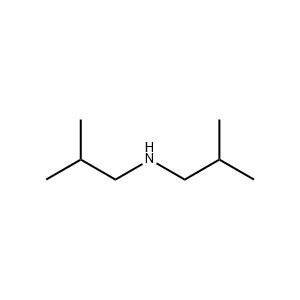 |
Application Overview
Diisobutylamine is valued across multiple industries due to its stability, liquid handling ease, and reactivity profile suited for selective transformations. It serves as an important intermediate and functional component in pharmaceuticals, agrochemicals, catalyst systems, and fine chemical production.
Pharmaceutical Synthesis: Used to produce intermediates, protecting groups, side-chain modifiers, and catalyst ligands in API manufacturing.
Agrochemical Development: Incorporated into the synthesis of herbicides, pesticide precursors, and nitrogen-containing crop protection molecules.
Extraction & Separation Processes: Acts as an organic phase amine extractant in metal ion extraction and purification systems.
Catalysis & Reaction Facilitation: Applied as a base, catalyst component, or sterically hindered amine in specialized reaction environments.
Polymer & Resin Industries: Utilized for producing curing agents, adhesion promoters, and resin modification intermediates.
Fine Chemical Synthesis: Used in custom molecule development, fragrance intermediates, dye precursors, and specialty organic compounds.
R&D and Pilot-Scale Chemistry: Favored for producing tertiary amine structures in research laboratories and scale-up operations.
Its low viscosity, controlled basicity, and steric hindrance enhance its suitability for processes requiring selective reactivity, mild catalytic behavior, and efficient solvent-phase operation.
Rigorous Batch Consistency: Uniform specification control ensures predictable reaction performance from batch to batch.
Full Compliance Support: REACH, GHS, export documents, and regulatory certificates can be provided as required by regional markets.
Dedicated Technical Expertise: Our specialists assist with integration into synthesis pathways, extraction systems, or formulation processes.
Hazards Classification


Before you order
Confirm the current commercial product record.
Include the required grade or purity, quantity, preferred packing, destination country/port and required document set.
- 01Current specification
- 02Batch or sample COA
- 03Product- and supplier-specific SDS
- 04Packing and shipping review
INQUIRY
How to request a quote
- Grade or purity
- Quantity
- Packaging
- Destination port
- Documents needed (COA / SDS / TDS)
Continue browsing
Related Products
Triisobutylamine
- CAS No.
- 1116-40-1
Triisobutylamine, CAS 1116-40-1. Source-derived identification, physical data and applications are provided for catalogue reference; request the current specification, COA and SDS for the required…
Diethanolamine
- CAS No.
- 111-42-2
Diethanolamine, CAS 111-42-2. Source-derived identification, physical data and applications are provided for catalogue reference; request the current specification, COA and SDS for the required…

Trimethylamine (Anhydrous)
- CAS No.
- 75-50-3
Trimethylamine (Anhydrous), CAS 75-50-3. Source-derived identification, physical data and applications are provided for catalogue reference; request the current specification, COA and SDS for the…
2-Aminoethanol (Monoethanolamine)
- CAS No.
- 141-43-5
2-Aminoethanol (Monoethanolamine), CAS 141-43-5. Source-derived identification, physical data and applications are provided for catalogue reference; request the current specification, COA and SDS for the…
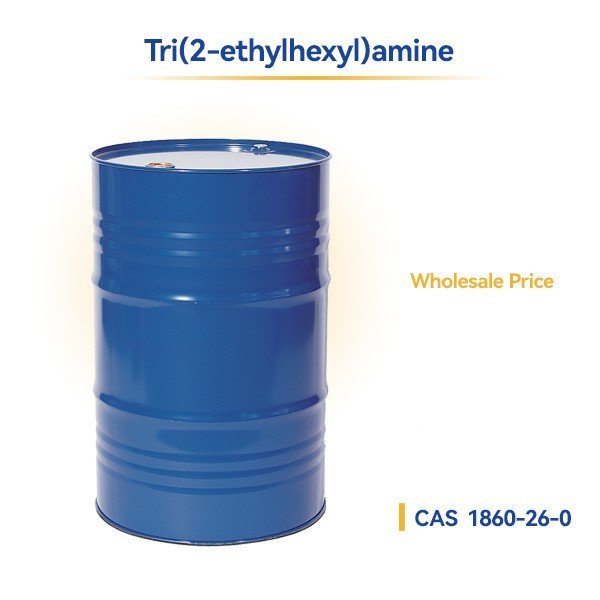
Tri(2-ethylhexyl)amine
- CAS No.
- 1860-26-0
Tri(2-ethylhexyl)amine, CAS 1860-26-0. Source-derived identification, physical data and applications are provided for catalogue reference; request the current specification, COA and SDS for the required…

Triallylamine
- CAS No.
- 102-70-5
Triallylamine, CAS 102-70-5. Source-derived identification, physical data and applications are provided for catalogue reference; request the current specification, COA and SDS for the required…
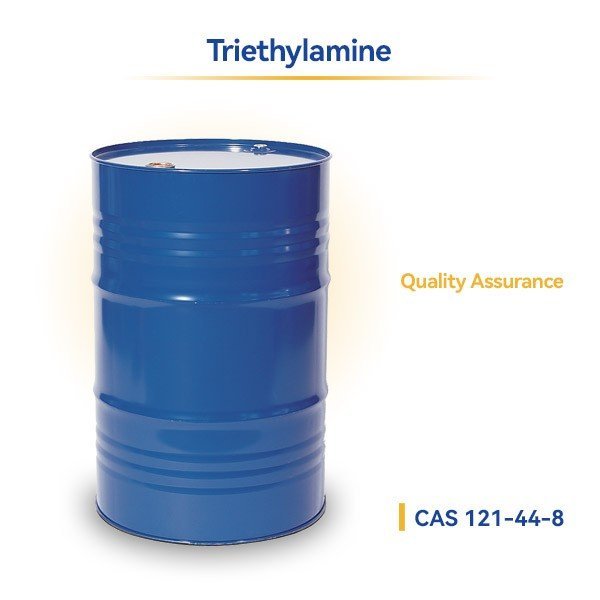
Triethylamine
- CAS No.
- 121-44-8
Triethylamine, CAS 121-44-8. Source-derived identification, physical data and applications are provided for catalogue reference; request the current specification, COA and SDS for the required…

Tripentylamine
- CAS No.
- 621-77-2
Tripentylamine, CAS 621-77-2. Source-derived identification, physical data and applications are provided for catalogue reference; request the current specification, COA and SDS for the required…