Methacryloyl Chloride
- CAS No.
- 920-46-7
Methacryloyl Chloride, CAS 920-46-7. Source-derived identification, physical data and applications are provided for catalogue reference; request the current specification, COA and SDS for the…
GTC-196
Acyl Halides
Get a quote for CAS 814-68-6Request a sampleSend grade, quantity and destination · reply within 1 business day
Acryloyl Chloride, CAS 814-68-6. Source-derived identification, physical data and applications are provided for catalogue reference; request the current specification, COA and SDS for the required grade.
2-Propenoyl chloride; Acrylyl chloride; Acrylic acid chloride; Propenoyl chloride; CH2=CHCOCl; Acryloylchloride; Acrylic chloride
Supplied catalogue source: GTC-196 · Page 12
The information below is a structured migration from the supplied catalogue snapshot. It is not a current product specification, COA or SDS. Confirm the actual supplier, grade, batch documents, classification, packing and destination requirements for your enquiry.
Acryloyl chloride is a highly reactive, volatile liquid that combines the reactivity of an acid chloride with a polymerizable vinyl group. It readily undergoes acylation reactions with alcohols, amines, and other nucleophiles while also participating in radical polymerization, making it valuable for creating functionalized polymers and specialty chemicals. Due to its sensitivity to moisture and tendency to polymerize, it is typically stabilized and handled under controlled conditions.
| CAS No. | 814-68-6 |
|---|---|
| EC No. | 212-399-0 |
| Linear Formula | CH2=CHCOCl |
| Molecular Weight | 90.51 g/mol |
| Appearance | Colorless to light yellow liquid with pungent odor |
| Melting Point | Not available (lit.) |
| Boiling point | 74-76 °C (lit.) |
| Density | 1.11 g/mL at 20 °C (lit.) |
| RIDADR | UN 3488 Class 6.1 (3, 8) PG I |
| Chemical Structure | 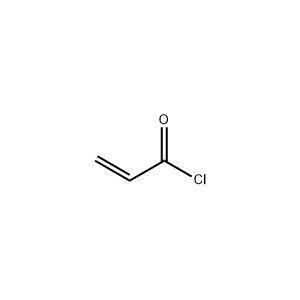 |
Primary monomer for acrylic polymers: Acryloyl chloride is a key building block in the industrial production of polyacrylates and copolymers used in coatings, adhesives, and plastics.
Chemical intermediate in synthesis: It serves as a reactive acylating agent for introducing the acryloyl functionality into organic molecules for specialty monomers and fine chemicals.
Polymer and materials applications: Widely employed in the formulation of resins, sealants, superabsorbent polymers, and biomedical materials.
Pharmaceutical and agrochemical synthesis: Used as an intermediate in the preparation of active pharmaceutical ingredients and crop protection chemicals.
Other industrial uses: Applied in the manufacture of textiles, functional polymers, and advanced materials requiring specific acrylic modifications.
Reliable product quality supported by rigorous QA procedures: Our acryloyl chloride meets high purity standards with batch consistency critical for controlled polymerization and acylation reactions.
Complete SDS, COA and dangerous goods documentation available: Full regulatory and safety documentation supports compliance with international transportation and handling standards for this reactive material.
Assistance with packaging selection and shipment planning: Our technical team offers dedicated support for safe packaging options and logistics planning suited to hazardous chemical transport requirements.
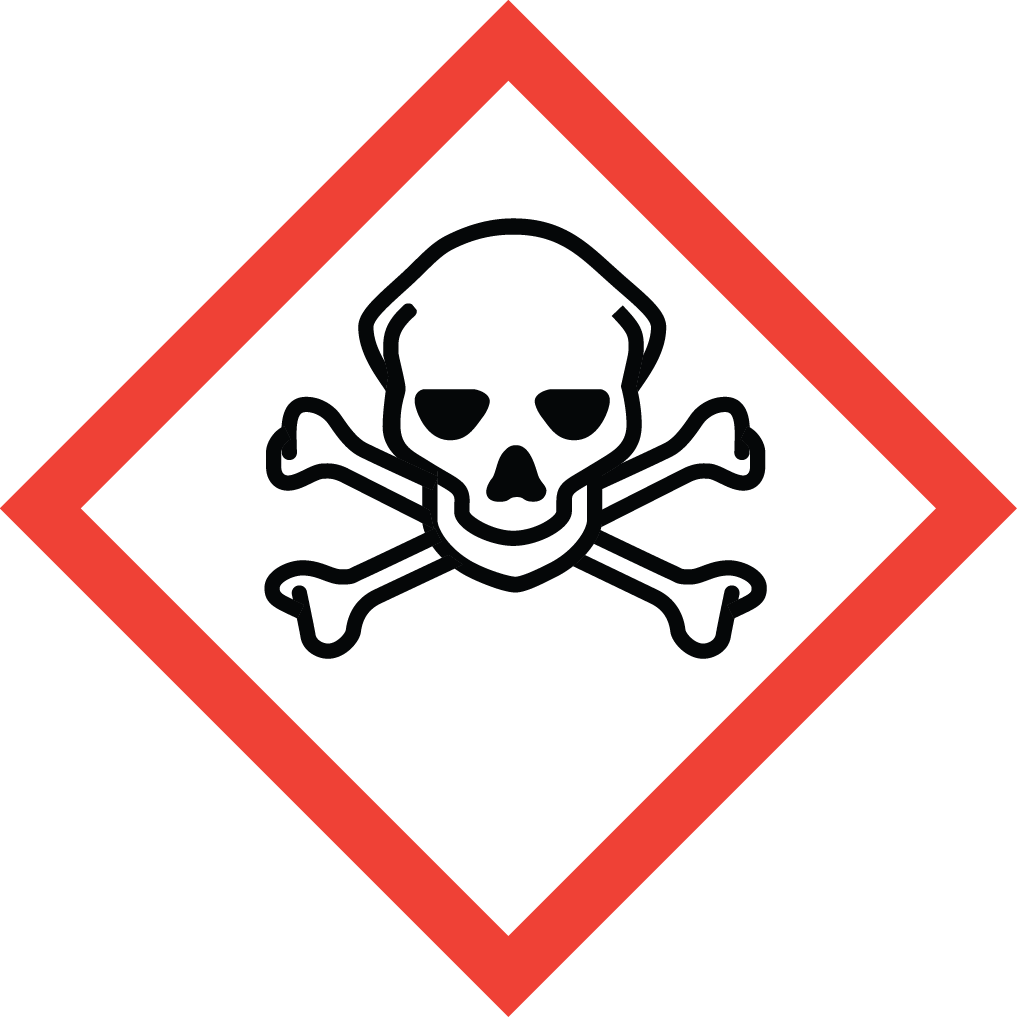
GHS Classification: Flammable liquids (Category 2) GHS02; Corrosive to metals (Category 1); Acute toxicity, inhalation (Category 1) GHS06; Skin corrosion (Category 1A) GHS05; Serious eye damage (Category 1) GHS05.
Hazard Statements: H225 - Highly flammable liquid and vapour. H290 - May be corrosive to metals. H330 - Fatal if inhaled. H314 - Causes severe skin burns and eye damage. H318 - Causes serious eye damage.
UN Number: UN 3488 | Hazard Class: 6.1 (Toxic) with subsidiary risks 3 (Flammable liquid) and 8 (Corrosive) | Packing Group: I


Include the required grade or purity, quantity, preferred packing, destination country/port and required document set.
Methacryloyl Chloride, CAS 920-46-7. Source-derived identification, physical data and applications are provided for catalogue reference; request the current specification, COA and SDS for the…
Dichloroacetyl Chloride, CAS 79-36-7. Source-derived identification, physical data and applications are provided for catalogue reference; request the current specification, COA and SDS for the…
Allyl Chlorooxalate, CAS 74503-07-4. Source-derived identification, physical data and applications are provided for catalogue reference; request the current specification, COA and SDS for the…