GHS Classification: Corrosive (GHS05), Acute Toxicity (GHS06), Environmental Hazard (GHS09)
Hazard Statements: Causes severe skin burns and eye damage; harmful if inhaled; very toxic to aquatic life with long lasting effects.
UN Number: UN 2699
Hazard Class: 8 (Corrosive Substances)
Packing Group: I
Trifluoroacetic Acid
GTC-662
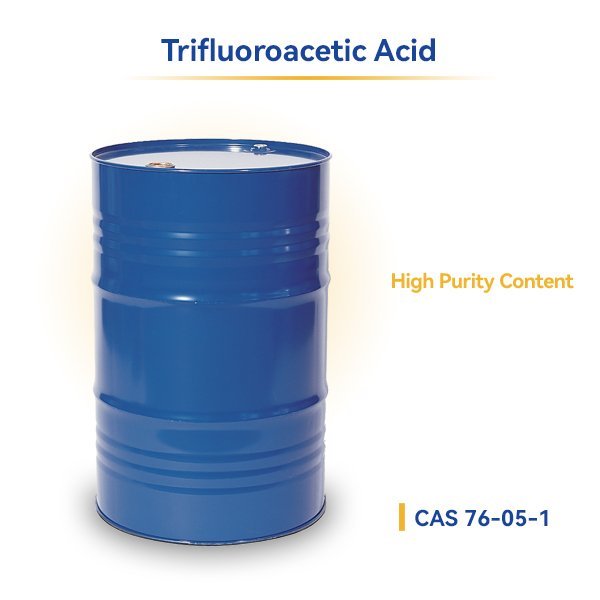
Representative packaging
Carboxylic Acids
Trifluoroacetic Acid
- CAS No.
- 76-05-1
- Catalogue ID
- GTC-662
Trifluoroacetic Acid, CAS 76-05-1. Source-derived identification, physical data and applications are provided for catalogue reference; request the current specification, COA and SDS for the required grade.
Catalogue aliases / related identifiers
2,2,2-Trifluoroethanoic acid; Perfluoroacetic acid; TFA; Acetic acid, trifluoro-
Supplied catalogue source: GTC-662 · Page 41
Reference data — confirm before ordering or use
The information below is a structured migration from the supplied catalogue snapshot. It is not a current product specification, COA or SDS. Confirm the actual supplier, grade, batch documents, classification, packing and destination requirements for your enquiry.
Basic Information of Trifluoroacetic Acid
Trifluoroacetic Acid (CAS No. 76-05-1) is manufactured to the highest purity standards, ensuring optimal performance and reliability for your most demanding applications:
| CAS No.: | 76-05-1 |
|---|---|
| EC No.: | 200-929-3 |
| Linear Formula: | CF₃COOH |
| Molecular Weight: | 114.02 |
| Appearance: | Transparent Liquid |
| Odor: | Pungent, sharp, vinegar-like odor |
| Melting Point: | -15.2 °C |
| Boiling point: | 72 °C |
| Density: | 1.489 g/mL at 25 °C |
| Solubility: | Miscible with water and most organic solvents. |
| Nature: | Extremely corrosive, highly volatile, strong acid (stronger than sulfuric acid), non-oxidizing. |
| RIDADR: | UN 2699 8/PG 1 |
| Chemical Structure: | 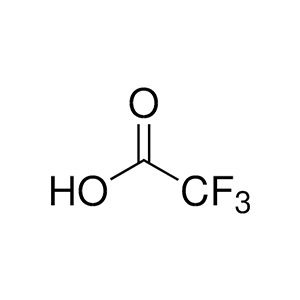 |
Our commitment to delivering high-purity TFA ensures consistent and superior results for your specialized synthesis and analytical needs.
Primary Applications of Trifluoroacetic Acid (TFA)
Trifluoroacetic Acid's unique chemical profile, characterized by its strong acidity and the electron-withdrawing effects of its fluorine atoms, drives its extensive utility:
Peptide Synthesis & Protein Chemistry:
TFA is absolutely critical in solid-phase peptide synthesis (SPPS), where it's used to deprotect N-terminal Boc (tert-butyloxycarbonyl) groups. Its high volatility allows for easy removal after reaction, making it ideal for the sequential synthesis of peptides and proteins.
Pharmaceutical & Agrochemical Manufacturing:
As a powerful catalyst and solvent, TFA plays a vital role in the synthesis of various active pharmaceutical ingredients (APIs) and agrochemicals. It's used in numerous reactions requiring strong acidic conditions, such as esterifications, alkylations, and acylations.
Chromatography & Analytical Chemistry:
TFA is a common mobile phase modifier in High-Performance Liquid Chromatography (HPLC), particularly for separating peptides, proteins, and other polar compounds. Its volatility ensures it won't interfere with subsequent mass spectrometry analysis, making it an ideal ion-pairing reagent.
Polymer Science & Advanced Materials:
Used as a solvent for dissolving various polymers (e.g., polyamides, polyesters) that are otherwise insoluble in common organic solvents. It also serves as a reagent in the synthesis of specialized fluoropolymers and other advanced materials.
General Organic Synthesis:
Beyond its specific applications, TFA acts as a versatile strong acid catalyst, solvent, and reagent for numerous organic reactions, including Friedel-Crafts acylations, deprotections, and oxidation reactions.
Exceptional Purity: Our TFA is manufactured to the highest purity specifications, crucial for sensitive applications like peptide synthesis and analytical chromatography.
Commitment to Quality & Safety: We adhere to the highest industry standards for quality management, safety, and environmental responsibility across all our operations.
Frequently Asked Questions (FAQ)
What is Trifluoroacetic Acid (CAS 76-05-1)?
Trifluoroacetic Acid (TFA) is a strong, highly volatile organic acid with the formula C2HF3O2. It is widely used in organic synthesis as a reagent, catalyst, and solvent.
What are the main applications of Trifluoroacetic Acid?
TFA is commonly used in peptide synthesis, as a strong acid catalyst, in pharmaceutical intermediates, agrochemicals, and as a mobile phase additive in HPLC analysis.
What are the key physical properties of TFA?
TFA is a colorless liquid with a boiling point of 72.4 °C, density of 1.489 g/cm³, and a very low pKa (~0.23), making it a stronger acid than acetic acid.
Is Trifluoroacetic Acid hazardous?
Yes. TFA is classified as corrosive (GHS05) and harmful (GHS07). It causes severe skin burns and eye damage, and requires careful handling.
What precautions are required when handling TFA?
Use protective gloves, goggles, and chemical-resistant clothing. Handle in a fume hood to avoid inhalation of vapors, and keep away from incompatible substances such as bases and metals.
How should TFA be stored safely?
Store in tightly sealed containers, in a cool, dry, and well-ventilated area at 2–8 °C. Use PTFE-lined or glass containers to avoid corrosion of metal.
What packaging options are available for TFA?
TFA is available in sealed glass bottles (100 mL–1 L) for laboratory use, HDPE containers (5–25 kg), and UN-approved fluoropolymer-lined steel drums (200 L) for bulk shipments.
Can you supply bulk packaging (e.g., 200 L drums)?
Do you provide COA, MSDS, and other documents?
Yes. A Certificate of Analysis (COA), Safety Data Sheet (MSDS), and transport documents are provided with each batch shipment.
Related Articles
Hazards Classification



Before you order
Confirm the current commercial product record.
Include the required grade or purity, quantity, preferred packing, destination country/port and required document set.
- 01Current specification
- 02Batch or sample COA
- 03Product- and supplier-specific SDS
- 04Packing and shipping review
INQUIRY
Continue browsing
Related Products
Methacrylic Acid (Stabilized)
- CAS No.
- 79-41-4
Methacrylic Acid (Stabilized), CAS 79-41-4. Source-derived identification, physical data and applications are provided for catalogue reference; request the current specification, COA and SDS for…
Salicylic Acid
- CAS No.
- 69-72-7
Salicylic Acid, CAS 69-72-7. Source-derived identification, physical data and applications are provided for catalogue reference; request the current specification, COA and SDS for the…
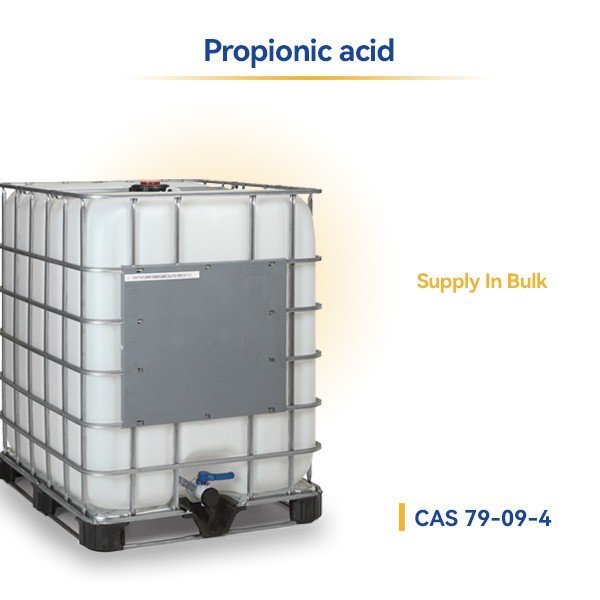
Propionic Acid
- CAS No.
- 79-09-4
Propionic Acid, CAS 79-09-4. Source-derived identification, physical data and applications are provided for catalogue reference; request the current specification, COA and SDS for the…
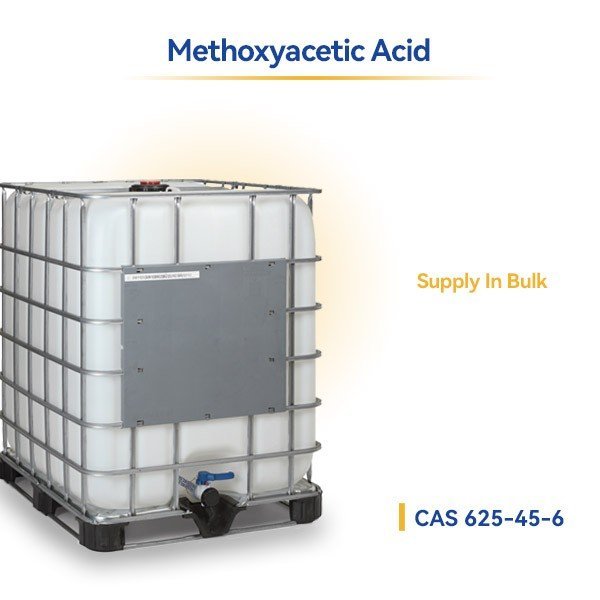
Methoxyacetic Acid
- CAS No.
- 625-45-6
Methoxyacetic Acid, CAS 625-45-6. Source-derived identification, physical data and applications are provided for catalogue reference; request the current specification, COA and SDS for the…
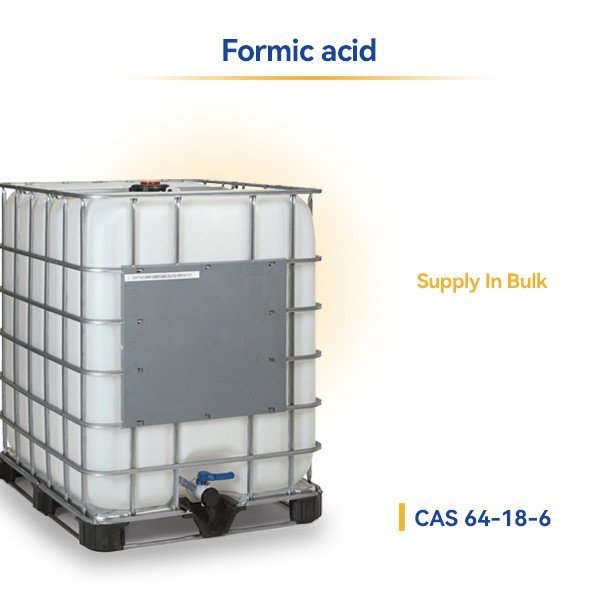
Formic Acid
- CAS No.
- 64-18-6
Formic Acid, CAS 64-18-6. Source-derived identification, physical data and applications are provided for catalogue reference; request the current specification, COA and SDS for the…
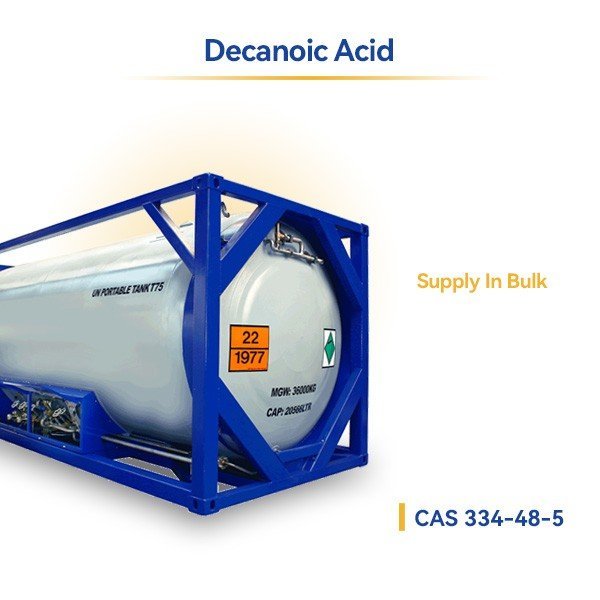
Decanoic Acid
- CAS No.
- 334-48-5
Decanoic Acid, CAS 334-48-5. Source-derived identification, physical data and applications are provided for catalogue reference; request the current specification, COA and SDS for the…

Acetic Acid
- CAS No.
- 64-19-7
Acetic Acid, CAS 64-19-7. Source-derived identification, physical data and applications are provided for catalogue reference; request the current specification, COA and SDS for the…
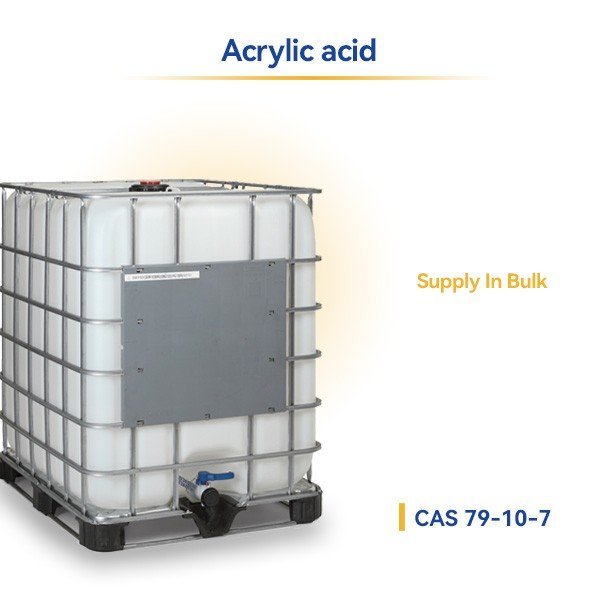
Acrylic Acid
- CAS No.
- 79-10-7
Acrylic Acid, CAS 79-10-7. Source-derived identification, physical data and applications are provided for catalogue reference; request the current specification, COA and SDS for the…