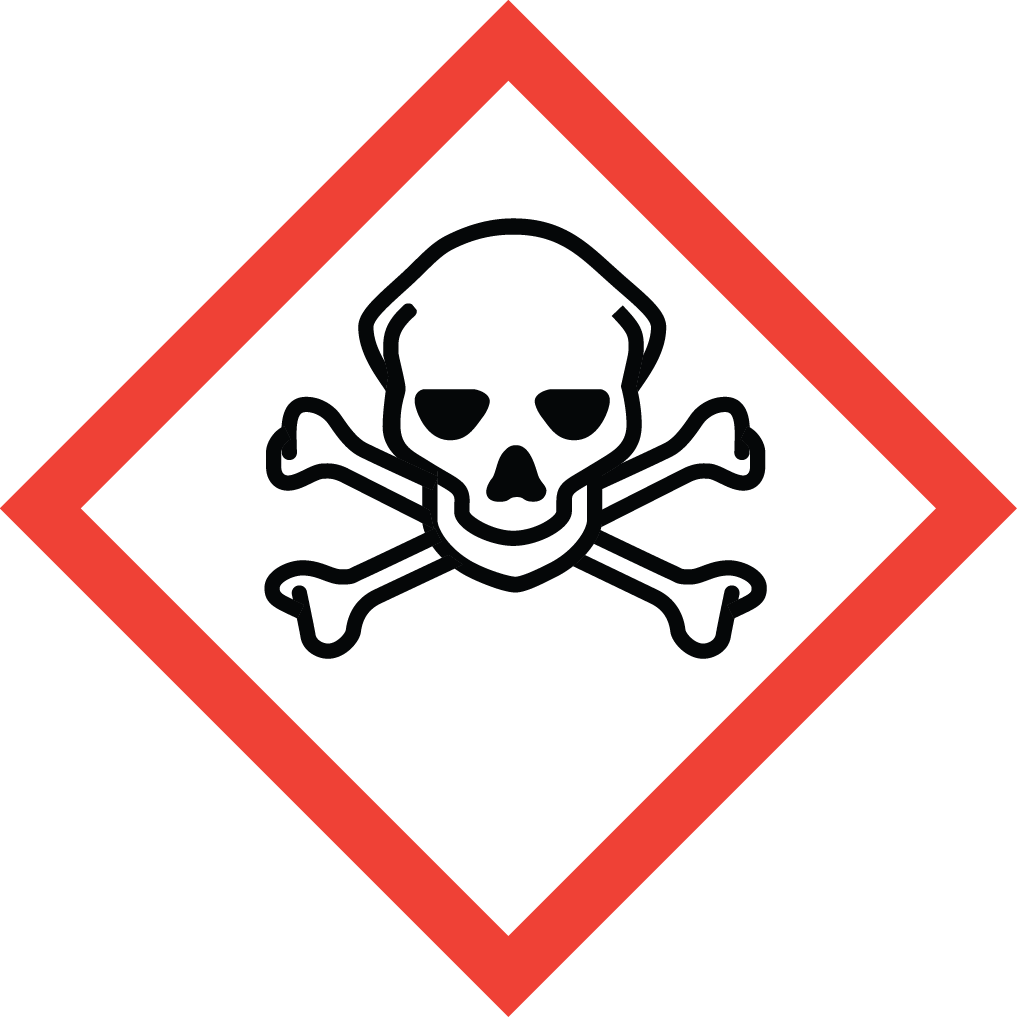
GHS Classification: Flammable Liquid (GHS02), Acute Toxicity, Oral (GHS06), Acute Toxicity, Inhalation (GHS06), Skin Corrosion (GHS05), Serious Eye Damage (GHS05)
Hazard Statements: Highly flammable liquid and vapor; harmful if swallowed; harmful if inhaled; causes severe skin burns and eye damage.
UN Number: UN 1296
Hazard Class: 3 (Flammable Liquids), 8 (Corrosive substances)
Packing Group: II
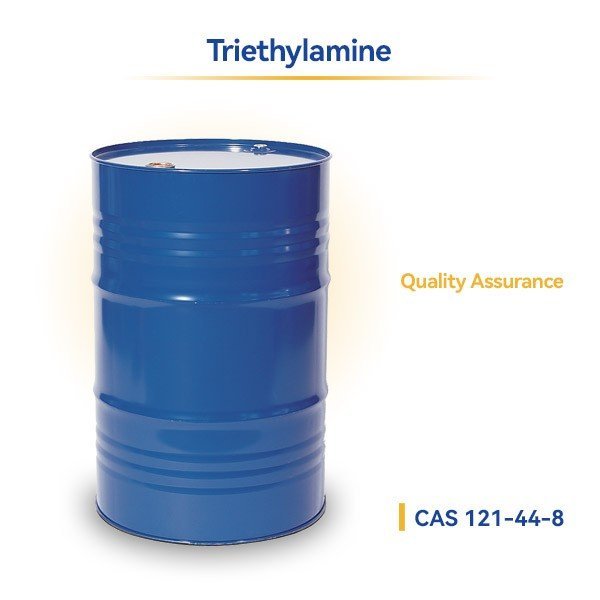
Triethylamine
GTC-659
Representative packaging
Amines
Triethylamine (CAS 121-44-8)
Get a quote for CAS 121-44-8Request a sampleSend grade, quantity and destination · reply within 1 business day
- CAS No.
- 121-44-8
- Catalogue ID
- GTC-659
Triethylamine, CAS 121-44-8. Source-derived identification, physical data and applications are provided for catalogue reference; request the current specification, COA and SDS for the required grade.
Catalogue aliases / related identifiers
TEA; N,N-Diethylethanamine; (Diethylamino)ethane; Triethyl amine; Triaethylamin; Trietilamina; NEt3; (C2H5)3N
- Samples available
- TDS · COA · SDS on request
- Export packing & shipping review
Supplied catalogue source: GTC-659 · Page 41
Reference data — confirm before ordering or use
The information below is a structured migration from the supplied catalogue snapshot. It is not a current product specification, COA or SDS. Confirm the actual supplier, grade, batch documents, classification, packing and destination requirements for your enquiry.
Basic Information of Triethylamine
| CAS No.: | 121-44-8 |
|---|---|
| EC No.: | 204-469-4 |
| Linear Formula: | (CH₃CH₂)₃N |
| Molecular Weight: | 101.19 |
| Appearance: | Transparent Liquid |
| Odor: | Strong, fishy, ammoniacal odor. |
| Melting Point: | −115 °C (lit.) |
| Boiling point: | 89.5 °C (lit.) |
| Density: | 0.728 |
| Solubility: | Slightly soluble in water (exothermic dissolution); miscible with most organic solvents like ethanol, ether, benzene, and chloroform. |
| Flash point: | 20 °F |
| Nature: | Highly flammable liquid and vapor, corrosive, alkaline. |
| RIDADR: | UN 1296 3/PG 2 |
| Chemical Structure: | 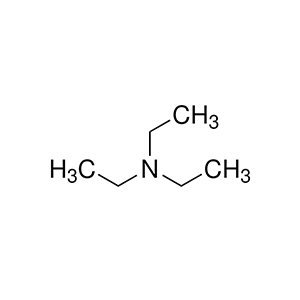 |
Our commitment to delivering high-purity Triethylamine ensures a reliable and efficient component for your complex manufacturing and synthesis processes.
Primary Applications of Triethylamine (TEA)
Triethylamine's strong basicity and nucleophilicity make it an incredibly versatile chemical with applications spanning numerous industries:
Catalyst in Organic Reactions:
TEA is extensively used as a catalyst and acid scavenger in various organic synthesis reactions, including acylation, alkylation, and condensation reactions. It neutralizes the hydrogen halide by-products, promoting reaction efficiency and yield, particularly in the synthesis of pharmaceuticals and fine chemicals.
Pharmaceutical Synthesis:
It is a crucial reagent and intermediate in the production of numerous active pharmaceutical ingredients (APIs), especially in steps requiring a non-nucleophilic base or a solvent for specific reaction types.
Agrochemical Manufacturing:
TEA is employed in the synthesis of various agrochemicals, including herbicides, fungicides, and insecticides, where its catalytic or acid-scavenging properties are vital for specific reaction pathways.
Polymer & Rubber Industry:
In the polymer industry, TEA acts as a catalyst for polyurethane foam production and as a curing agent for various resins. In rubber processing, it's used as an activator for vulcanization accelerators.
Solvent & Extractant:
Due to its ability to dissolve a wide range of organic compounds, TEA is used as a solvent in certain chemical processes and as an extractant in the purification of various substances.
Neutralizing Agent:
Its strong basicity makes it an effective neutralizing agent for acids in industrial processes and wastewater treatment.
Surfactant Production:
TEA can be used in the synthesis of specific types of surfactants and emulsifiers.
Exceptional Purity & Consistency: Our Triethylamine is manufactured to stringent purity specifications, ensuring optimal and predictable performance in your sensitive chemical reactions and formulations.
Commitment to Quality & Safety: We adhere to the highest industry standards for quality management, safety, and environmental responsibility across all our operations, ensuring peace of mind for our clients handling this reactive and flammable material.
Related Articles
Triethylamine CAS 121-44-8 | Industrial Uses, Properties & Structure
Triethylamine: Applications in Pharmaceutical & Chemical Industry
Hazards Classification


Before you order
Confirm the current commercial product record.
Include the required grade or purity, quantity, preferred packing, destination country/port and required document set.
- 01Current specification
- 02Batch or sample COA
- 03Product- and supplier-specific SDS
- 04Packing and shipping review
INQUIRY
How to request a quote
- Grade or purity
- Quantity
- Packaging
- Destination port
- Documents needed (COA / SDS / TDS)
Continue browsing
Related Products
Triisobutylamine
- CAS No.
- 1116-40-1
Triisobutylamine, CAS 1116-40-1. Source-derived identification, physical data and applications are provided for catalogue reference; request the current specification, COA and SDS for the required…
Diethanolamine
- CAS No.
- 111-42-2
Diethanolamine, CAS 111-42-2. Source-derived identification, physical data and applications are provided for catalogue reference; request the current specification, COA and SDS for the required…

Trimethylamine (Anhydrous)
- CAS No.
- 75-50-3
Trimethylamine (Anhydrous), CAS 75-50-3. Source-derived identification, physical data and applications are provided for catalogue reference; request the current specification, COA and SDS for the…
2-Aminoethanol (Monoethanolamine)
- CAS No.
- 141-43-5
2-Aminoethanol (Monoethanolamine), CAS 141-43-5. Source-derived identification, physical data and applications are provided for catalogue reference; request the current specification, COA and SDS for the…
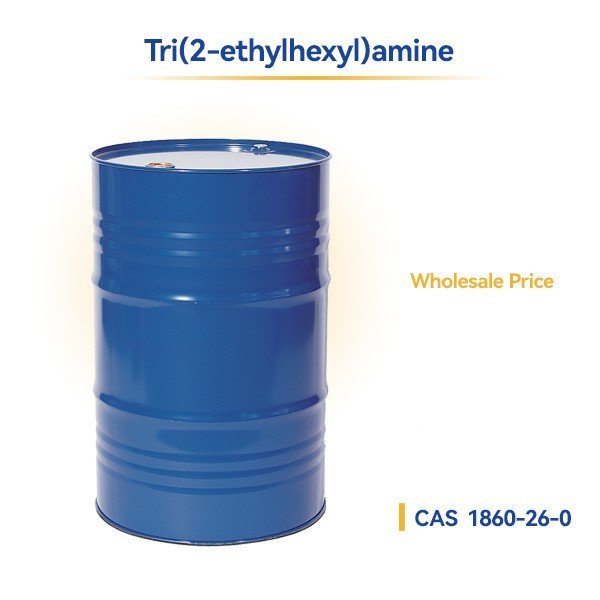
Tri(2-ethylhexyl)amine
- CAS No.
- 1860-26-0
Tri(2-ethylhexyl)amine, CAS 1860-26-0. Source-derived identification, physical data and applications are provided for catalogue reference; request the current specification, COA and SDS for the required…

Triallylamine
- CAS No.
- 102-70-5
Triallylamine, CAS 102-70-5. Source-derived identification, physical data and applications are provided for catalogue reference; request the current specification, COA and SDS for the required…

Tripentylamine
- CAS No.
- 621-77-2
Tripentylamine, CAS 621-77-2. Source-derived identification, physical data and applications are provided for catalogue reference; request the current specification, COA and SDS for the required…
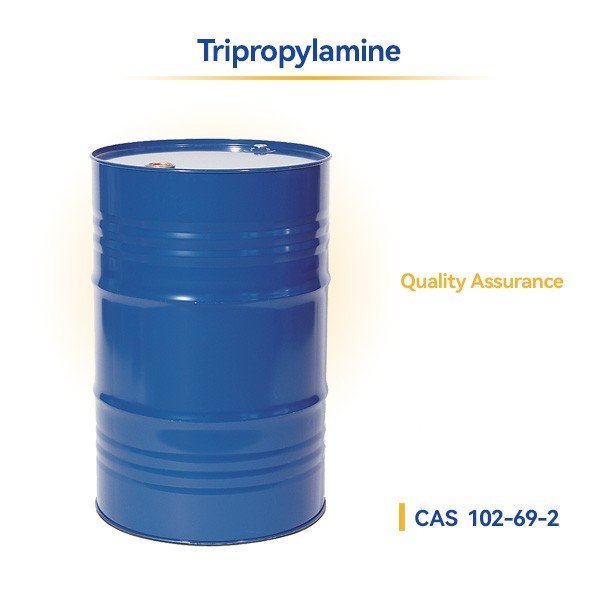
Tripropylamine
- CAS No.
- 102-69-2
Tripropylamine, CAS 102-69-2. Source-derived identification, physical data and applications are provided for catalogue reference; request the current specification, COA and SDS for the required…