GHS Classification: Flammable Gas (GHS02), Acute Toxicity, Inhalation (GHS06), Skin Corrosion (GHS05), Serious Eye Damage (GHS05)
Hazard Statements: Extremely flammable gas; toxic if inhaled; causes severe skin burns and eye damage.
UN Number: UN 1032
Hazard Class: 2.1 (Flammable gases), 8 (Corrosive substances)
Packing Group: Not applicable
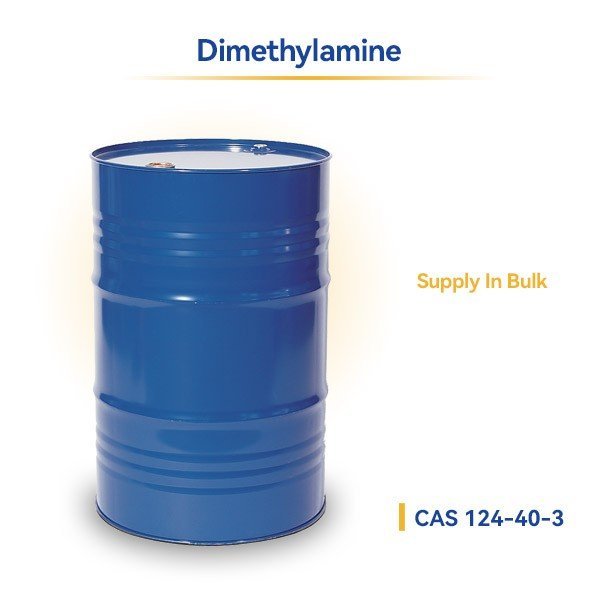
Dimethylamine
GTC-336
Representative packaging
Amines
Dimethylamine
- CAS No.
- 124-40-3
- Catalogue ID
- GTC-336
Dimethylamine, CAS 124-40-3. Source-derived identification, physical data and applications are provided for catalogue reference; request the current specification, COA and SDS for the required grade.
Catalogue aliases / related identifiers
DMA; N-Methylmethanamine; Methanamine, N-methyl-; Dimethyl amine; (CH3)2NH; HNMe2
Supplied catalogue source: GTC-336 · Page 22
Reference data — confirm before ordering or use
The information below is a structured migration from the supplied catalogue snapshot. It is not a current product specification, COA or SDS. Confirm the actual supplier, grade, batch documents, classification, packing and destination requirements for your enquiry.
Basic Information of Dimethylamine
| CAS No.: | 124-40-3 |
|---|---|
| EC No.: | 204-697-4 |
| Linear Formula: | (CH₃)₂NH |
| Molecular Weight: | 45.08 |
| Appearance: | Colorless gas at room temperature and pressure; typically supplied as a compressed liquid or aqueous solution. |
| Odor: | Strong, pungent, fishy, ammoniacal odor. |
| Melting Point: | −93 °C(lit.) |
| Boiling point: | 7 °C(lit.) |
| Density: | 0.89 g/mL at 25 °C |
| Solubility: | Highly soluble in water and most organic solvents (e.g., ethanol, ether). |
| Flash point: | 60 °F |
| Nature: | Highly flammable gas/liquid, corrosive, alkaline. |
| RIDADR: | UN 1032 2.1 |
| Chemical Structure: | 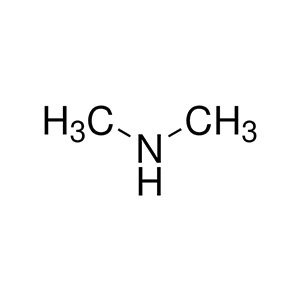 |
Our commitment to delivering high-purity Dimethylamine ensures a reliable and efficient component for your complex manufacturing and synthesis processes.
Primary Applications of Dimethylamine (DMA)
Dimethylamine's reactivity as a secondary amine, particularly its ability to undergo various organic reactions, makes it an incredibly versatile intermediate for a vast spectrum of industrial products:
Solvents (DMF & DMAC):
One of the largest applications of DMA is in the production of high-performance solvents like N,N-Dimethylformamide (DMF) and N,N-Dimethylacetamide (DMAC). These solvents are widely used in chemical reactions, as spinning solvents for fibers, and in various industrial cleaning processes due to their excellent solvency and high boiling points.
Pharmaceutical Synthesis:
DMA is a critical precursor for synthesizing numerous active pharmaceutical ingredients (APIs), including various antihistamines, local anesthetics, and other complex drug molecules. Its amino group readily participates in alkylation, acylation, and condensation reactions.
Agrochemical Manufacturing:
It is extensively used in the production of various agrochemicals, such as herbicides (e.g., thiocarbamates, dithiocarbamates) and fungicides. Derivatives of DMA contribute to the efficacy and selectivity of these crop protection agents.
Rubber Chemicals:
DMA serves as a key intermediate in the synthesis of rubber vulcanization accelerators (e.g., thiuram disulfides) and antioxidants, which are vital for improving the processing, strength, and durability of rubber products like tires.
Surfactants:
It is used in the production of specialty surfactants, including amine oxides and quaternary ammonium compounds, which find applications in detergents, personal care products, and industrial cleaning formulations due to their foaming, emulsifying, and conditioning properties.
Water Treatment Chemicals:
Dimethylamine derivatives are employed in certain water treatment processes, particularly as flocculants or coagulants for impurity removal.
Dyes and Pigments:
In some cases, DMA is utilized in the synthesis of specific types of dyes and pigments, contributing to color characteristics or enhancing material interactions.
Exceptional Purity & Consistency: Our Dimethylamine is manufactured to stringent purity specifications, ensuring optimal and predictable reactivity in your critical synthesis processes and consistent quality in your end products.
Commitment to Quality & Safety: We adhere to the highest industry standards for quality management, safety, and environmental responsibility across all our operations, ensuring peace of mind for our clients handling this reactive and volatile material.
Hazards Classification



Before you order
Confirm the current commercial product record.
Include the required grade or purity, quantity, preferred packing, destination country/port and required document set.
- 01Current specification
- 02Batch or sample COA
- 03Product- and supplier-specific SDS
- 04Packing and shipping review
INQUIRY
Continue browsing
Related Products
Triisobutylamine
- CAS No.
- 1116-40-1
Triisobutylamine, CAS 1116-40-1. Source-derived identification, physical data and applications are provided for catalogue reference; request the current specification, COA and SDS for the required…
Diethanolamine
- CAS No.
- 111-42-2
Diethanolamine, CAS 111-42-2. Source-derived identification, physical data and applications are provided for catalogue reference; request the current specification, COA and SDS for the required…

Trimethylamine (Anhydrous)
- CAS No.
- 75-50-3
Trimethylamine (Anhydrous), CAS 75-50-3. Source-derived identification, physical data and applications are provided for catalogue reference; request the current specification, COA and SDS for the…
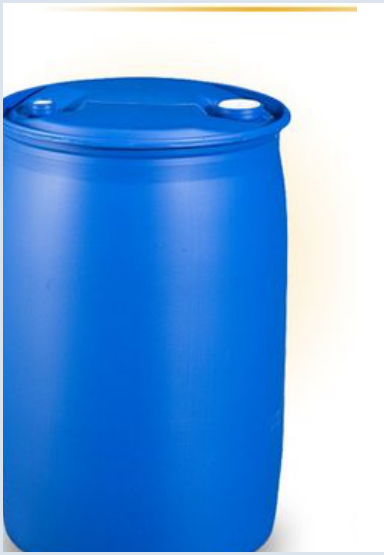
2-Aminoethanol (Monoethanolamine)
- CAS No.
- 141-43-5
2-Aminoethanol (Monoethanolamine), CAS 141-43-5. Source-derived identification, physical data and applications are provided for catalogue reference; request the current specification, COA and SDS for the…
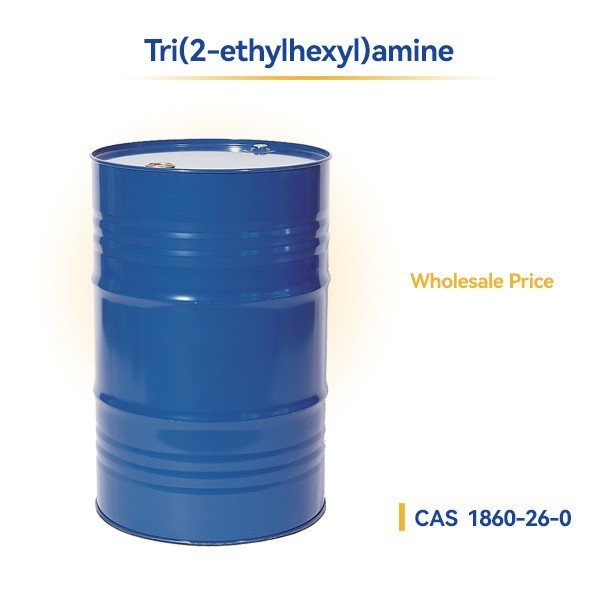
Tri(2-ethylhexyl)amine
- CAS No.
- 1860-26-0
Tri(2-ethylhexyl)amine, CAS 1860-26-0. Source-derived identification, physical data and applications are provided for catalogue reference; request the current specification, COA and SDS for the required…

Triallylamine
- CAS No.
- 102-70-5
Triallylamine, CAS 102-70-5. Source-derived identification, physical data and applications are provided for catalogue reference; request the current specification, COA and SDS for the required…
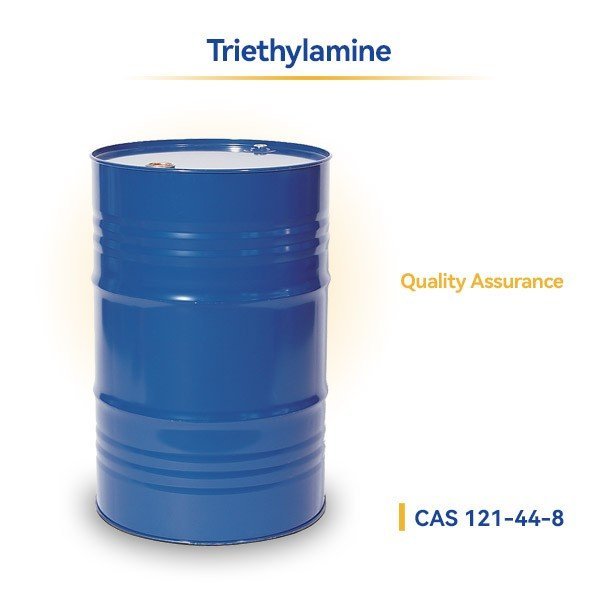
Triethylamine
- CAS No.
- 121-44-8
Triethylamine, CAS 121-44-8. Source-derived identification, physical data and applications are provided for catalogue reference; request the current specification, COA and SDS for the required…

Tripentylamine
- CAS No.
- 621-77-2
Tripentylamine, CAS 621-77-2. Source-derived identification, physical data and applications are provided for catalogue reference; request the current specification, COA and SDS for the required…