GHS Classification: Flammable Liquid (GHS02), Corrosive (GHS05), Acute Toxicity (GHS06)
Hazard Statements: Flammable liquid and vapor; causes severe skin burns and eye damage; harmful if inhaled; may cause respiratory irritation.
UN Number: UN 1848
Hazard Class: 8 (Corrosive Substances), 3 (Flammable Liquids)
Packing Group: III
Propionic Acid
GTC-550
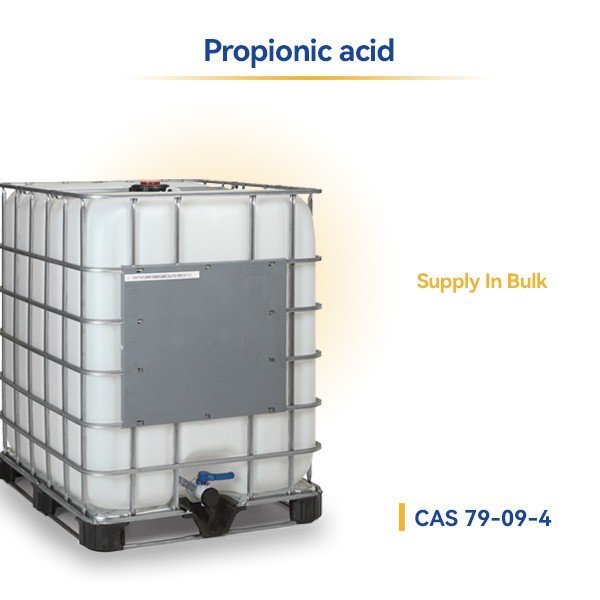
Representative packaging
Carboxylic Acids
Propionic Acid
- CAS No.
- 79-09-4
- Catalogue ID
- GTC-550
Propionic Acid, CAS 79-09-4. Source-derived identification, physical data and applications are provided for catalogue reference; request the current specification, COA and SDS for the required grade.
Catalogue aliases / related identifiers
Propanoic acid; Carboxyethane; Methylacetic acid; Propionic
Supplied catalogue source: GTC-550 · Page 36
Reference data — confirm before ordering or use
The information below is a structured migration from the supplied catalogue snapshot. It is not a current product specification, COA or SDS. Confirm the actual supplier, grade, batch documents, classification, packing and destination requirements for your enquiry.
Basic Information of Propionic Acid
Propionic Acid (CAS No. 79-09-4) is manufactured to stringent quality standards, ensuring exceptional purity and consistent performance for your specific industrial and commercial requirements:
| CAS No.: | 79-09-4 |
|---|---|
| EC No.: | 201-176-3 |
| Linear Formula: | CH₃CH₂COOH |
| Molecular Weight: | 74.08 |
| Appearance: | Transparent Liquid |
| Odor: | Pungent, slightly rancid odor (similar to body odor) |
| Melting point: | −24-−23 °C(lit.) |
| Boiling point: | 141 °C(lit.) |
| Density: | 0.993 g/mL at 25 °C(lit.) |
| Solubility: | Miscible with water and many organic solvents. |
| Flash Point: | 125 °F |
| Purity: | Corrosive liquid, combustible. |
| RIDADR: | UN 1848 8,3/PG 2 |
| Chemical Structure: | 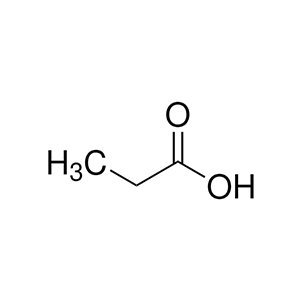 |
Our commitment to quality ensures a reliable and high-performing product, essential for your diverse manufacturing processes.
Primary Applications of Propionic Acid (Propanoic Acid)
Propionic Acid's unique properties as a short-chain fatty acid and a carboxylic acid contribute to its broad range of applications:
Food and Feed Preservative:
Propionic Acid is widely recognized for its effective antimicrobial and antifungal properties. It's extensively used as a preservative to inhibit the growth of mold and some bacteria in:
Its calcium and sodium salts (calcium propionate, sodium propionate) are also commonly used for this purpose.
Bakery Products: Prevents spoilage in bread, cakes, and other baked goods.
Animal Feed: Used to preserve grain and silage, preventing mold growth and extending shelf life, thus reducing nutrient loss.
Cheese & Dairy Products: Helps prevent mold formation in various cheese and dairy products.
Crucial Chemical Intermediate:
Propionic Acid serves as a versatile building block for the synthesis of numerous other chemicals:
Cellulose Acetate Propionate (CAP): A thermoplastic ester used in plastics, films, lacquers, and coatings, valued for its strength, toughness, and good weather resistance.
Herbicides: An intermediate in the production of specific agricultural herbicides.
Pharmaceuticals: Used in the synthesis of certain drugs and pharmaceutical intermediates.
Esters for Flavors & Fragrances: Various propionate esters (e.g., ethyl propionate, propyl propionate) are synthesized from propionic acid and used in the flavor and fragrance industry for their distinct fruity or floral notes.
Specialty Solvents:
While not its primary application, Propionic Acid can be used as a solvent in specific chemical reactions where its solubility profile and low volatility are advantageous.
Exceptional Purity & Consistency: Our Propionic Acid is produced to exacting purity standards, ensuring reliable and effective performance in all your applications.
Commitment to Quality & Safety: We adhere to the highest industry standards for quality management, safety, and environmental responsibility across all our operations.
Hazards Classification



Before you order
Confirm the current commercial product record.
Include the required grade or purity, quantity, preferred packing, destination country/port and required document set.
- 01Current specification
- 02Batch or sample COA
- 03Product- and supplier-specific SDS
- 04Packing and shipping review
INQUIRY
Continue browsing
Related Products
Methacrylic Acid (Stabilized)
- CAS No.
- 79-41-4
Methacrylic Acid (Stabilized), CAS 79-41-4. Source-derived identification, physical data and applications are provided for catalogue reference; request the current specification, COA and SDS for…
Trifluoroacetic Acid
- CAS No.
- 76-05-1
Trifluoroacetic Acid, CAS 76-05-1. Source-derived identification, physical data and applications are provided for catalogue reference; request the current specification, COA and SDS for the…
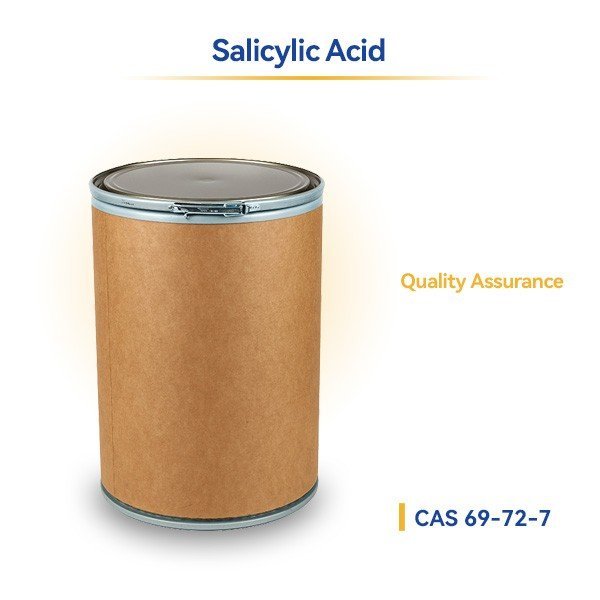
Salicylic Acid
- CAS No.
- 69-72-7
Salicylic Acid, CAS 69-72-7. Source-derived identification, physical data and applications are provided for catalogue reference; request the current specification, COA and SDS for the…
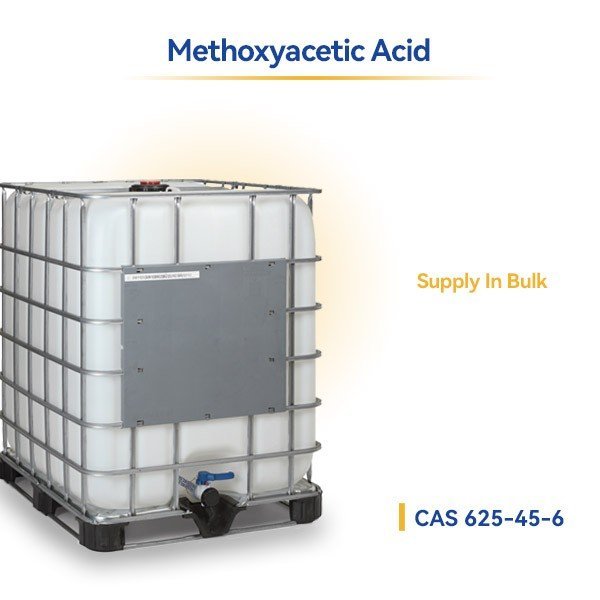
Methoxyacetic Acid
- CAS No.
- 625-45-6
Methoxyacetic Acid, CAS 625-45-6. Source-derived identification, physical data and applications are provided for catalogue reference; request the current specification, COA and SDS for the…
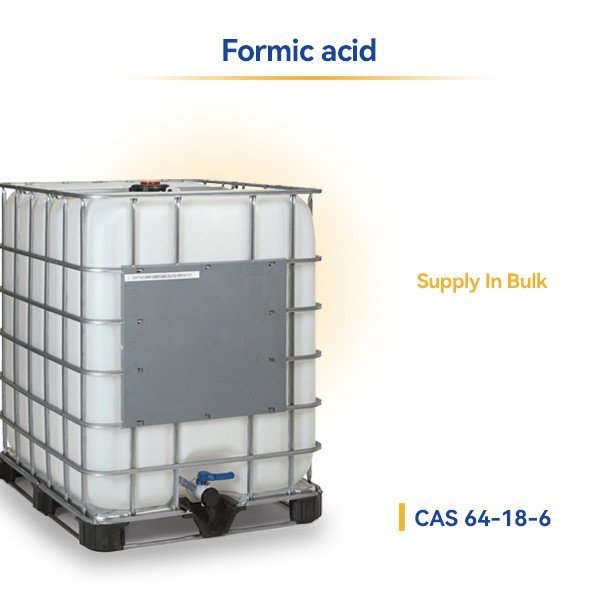
Formic Acid
- CAS No.
- 64-18-6
Formic Acid, CAS 64-18-6. Source-derived identification, physical data and applications are provided for catalogue reference; request the current specification, COA and SDS for the…
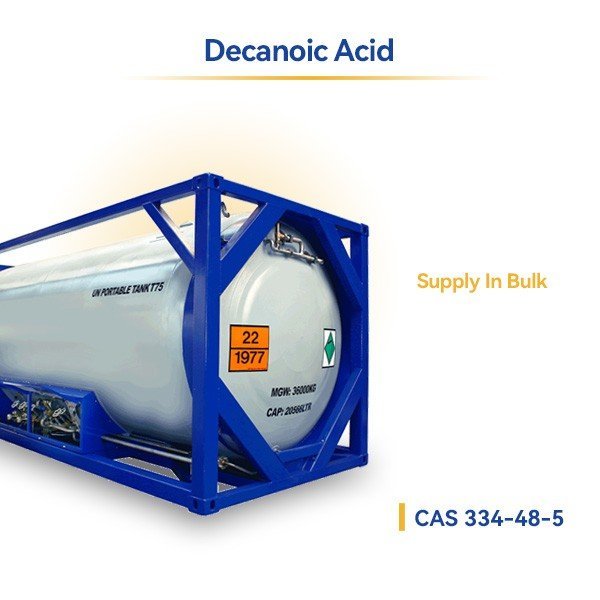
Decanoic Acid
- CAS No.
- 334-48-5
Decanoic Acid, CAS 334-48-5. Source-derived identification, physical data and applications are provided for catalogue reference; request the current specification, COA and SDS for the…

Acetic Acid
- CAS No.
- 64-19-7
Acetic Acid, CAS 64-19-7. Source-derived identification, physical data and applications are provided for catalogue reference; request the current specification, COA and SDS for the…
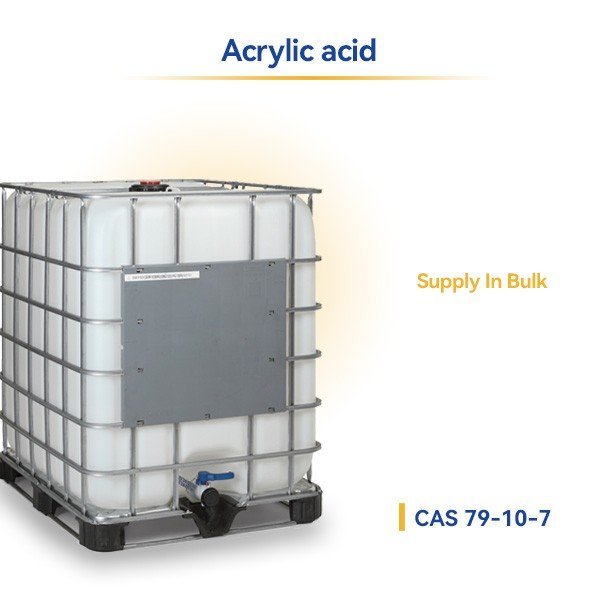
Acrylic Acid
- CAS No.
- 79-10-7
Acrylic Acid, CAS 79-10-7. Source-derived identification, physical data and applications are provided for catalogue reference; request the current specification, COA and SDS for the…