GHS Classification: Pyr. Liq. 1 (GHS02), Flam. Liq. 2 (GHS02), Acute Tox. 4 (Oral) (GHS06), Acute Tox. 4 (Dermal) (GHS06), Skin Corr. 1B (GHS05), Eye Dam. 1 (GHS05), Aquatic Acute 1 (GHS09), Aquatic Chronic 1 (GHS09)
Hazard Statements: Catches fire spontaneously if exposed to air; Highly flammable liquid and vapour; Harmful if swallowed; Harmful in contact with skin; Causes severe skin burns and eye damage; Very toxic to aquatic life with long lasting effects
UN Number: UN 2845
Hazard Class: 4.2 (Spontaneously combustible)
Packing Group: I
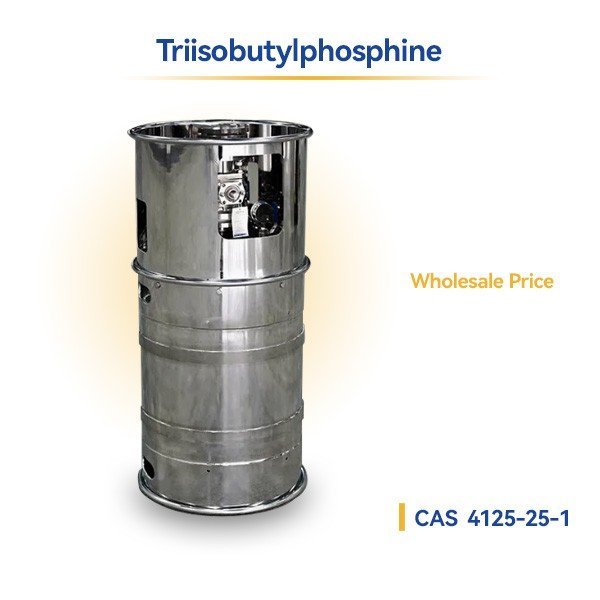
Triisobutylphosphine
GTC-666
Representative packaging
Organophosphorus Reagents
Triisobutylphosphine (CAS 4125-25-1)
Get a quote for CAS 4125-25-1Request a sampleSend grade, quantity and destination · reply within 1 business day
- CAS No.
- 4125-25-1
- Catalogue ID
- GTC-666
Triisobutylphosphine, CAS 4125-25-1. Source-derived identification, physical data and applications are provided for catalogue reference; request the current specification, COA and SDS for the required grade.
Catalogue aliases / related identifiers
Tris(2-methylpropyl)phosphine; Triisobutylphosphane; Tri-i-butylphosphine; Tris(2-methylpropyl)phosphane; Phosphine, tris(2-methylpropyl)-; Cytop 341; CyTop(R) 341; Triibutylphosphinemin
- Samples available
- TDS · COA · SDS on request
- Export packing & shipping review
Supplied catalogue source: GTC-666 · Page 93
Reference data — confirm before ordering or use
The information below is a structured migration from the supplied catalogue snapshot. It is not a current product specification, COA or SDS. Confirm the actual supplier, grade, batch documents, classification, packing and destination requirements for your enquiry.
Triisobutylphosphine (TIBP) (CAS 4125-25-1) is a key tertiary alkylphosphine in synthetic and catalytic chemistry, prized for its high electron richness and significant steric bulk due to the branched *isobutyl* groups. It is a colorless to pale yellow liquid with a characteristic strong, pungent, garlic-like odor. TIBP is a highly effective ligand used in transition-metal catalysis, particularly for palladium-catalyzed cross-coupling reactions where its bulk helps facilitate the reductive elimination step, often allowing for challenging reactions to proceed efficiently at lower temperatures. It is also a powerful reducing agent.
Basic Information of TIBP
| CAS No.: | 4125-25-1 |
|---|---|
| EC No.: | 223-934-2 |
| Linear Formula: | C12H27P |
| Molecular Weight: | 202.32 |
| Appearance: | Colorless to pale yellow, clear liquid |
| Odor: | Strong, highly pungent, garlic-like |
| Boiling Point: | 126 °C50 mm Hg(lit.) |
| Density: | 0.811 g/mL at 25 °C(lit.) |
| Solubility: | Insoluble in water; highly soluble in organic solvents (toluene, hexane, THF). |
| Flash Point: | 50 °F |
| RIDADR: | UN 2845 4.2/PG 1 |
| Chemical Structure: | 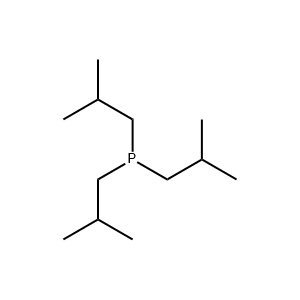 |
Application Overview
TIBP is highly valued in demanding synthetic applications where its combination of strong electron donation and high steric bulk offers unique advantages over less hindered phosphines:
Palladium-Catalyzed Cross-Couplings: TIBP is widely used as a ligand in reactions such as Suzuki, Negishi, and Buchwald-Hartwig couplings. Its steric bulk often accelerates the final, rate-determining reductive elimination step, which is crucial for achieving high yields, especially with challenging substrates.
Pharmaceutical Synthesis: Employed in the efficient construction of carbon-carbon and carbon-nitrogen bonds in complex pharmaceutical intermediates and APIs (Active Pharmaceutical Ingredients), optimizing reaction conditions for scale-up.
Selective Reduction: It acts as a selective reducing agent, capable of reducing specific functional groups without affecting others, a common requirement in multi-step organic synthesis.
Polymer and Material Science: Used as a catalyst component in certain polymerization and coupling reactions to control the stereochemistry and molecular weight of specialized materials.
Rigorous Inert Atmosphere Handling: Due to TIBP's extreme sensitivity to atmospheric oxygen and moisture, we utilize high-integrity, double-sealed packaging handled exclusively under a high-purity argon atmosphere. This ensures the TIBP delivered is in its fully active, reduced state.
Advanced Purity Verification: Every batch is confirmed via $\text{}^{31}\text{P NMR}$ spectroscopy. This dedicated analysis provides a definitive, highly sensitive measure of phosphine content and the absence of degradation products, offering synthetic chemists complete confidence in reactivity.
Safe and Compliant Logistics: We manage the complex regulatory requirements (UN 2920, Flammable and Corrosive) for this material. Our specialized logistics ensure safe, fully compliant, and temperature-controlled delivery directly to your secure research or manufacturing site.
HTML
Hazards Classification




Before you order
Confirm the current commercial product record.
Include the required grade or purity, quantity, preferred packing, destination country/port and required document set.
- 01Current specification
- 02Batch or sample COA
- 03Product- and supplier-specific SDS
- 04Packing and shipping review
INQUIRY
How to request a quote
- Grade or purity
- Quantity
- Packaging
- Destination port
- Documents needed (COA / SDS / TDS)
Continue browsing
Related Products

Tributylphosphine
- CAS No.
- 998-40-3
Tributylphosphine, CAS 998-40-3. Source-derived identification, physical data and applications are provided for catalogue reference; request the current specification, COA and SDS for the required…
Tributylphosphine Oxide
- CAS No.
- 814-29-9
Tributylphosphine Oxide, CAS 814-29-9. Source-derived identification, physical data and applications are provided for catalogue reference; request the current specification, COA and SDS for the…

Trihexylphosphine
- CAS No.
- 4168-73-4
Trihexylphosphine, CAS 4168-73-4. Source-derived identification, physical data and applications are provided for catalogue reference; request the current specification, COA and SDS for the required…
Trihexylphosphine Oxide
- CAS No.
- 3084-48-8
Trihexylphosphine Oxide, CAS 3084-48-8. Source-derived identification, physical data and applications are provided for catalogue reference; request the current specification, COA and SDS for the…
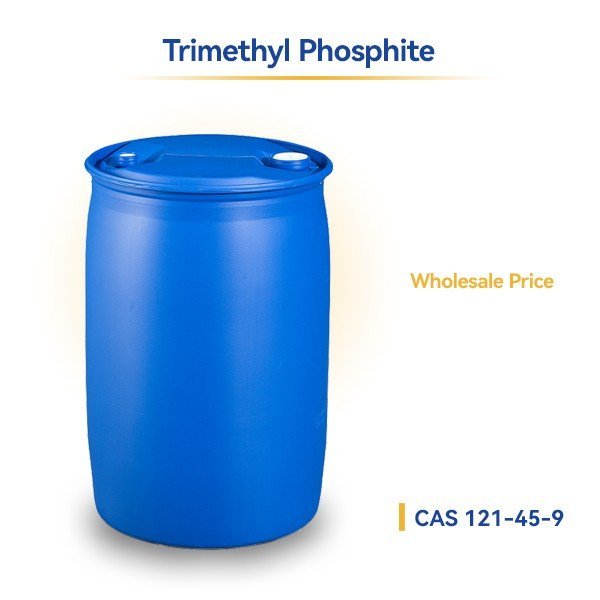
Trimethyl Phosphite
- CAS No.
- 121-45-9
Trimethyl Phosphite, CAS 121-45-9. Source-derived identification, physical data and applications are provided for catalogue reference; request the current specification, COA and SDS for the…
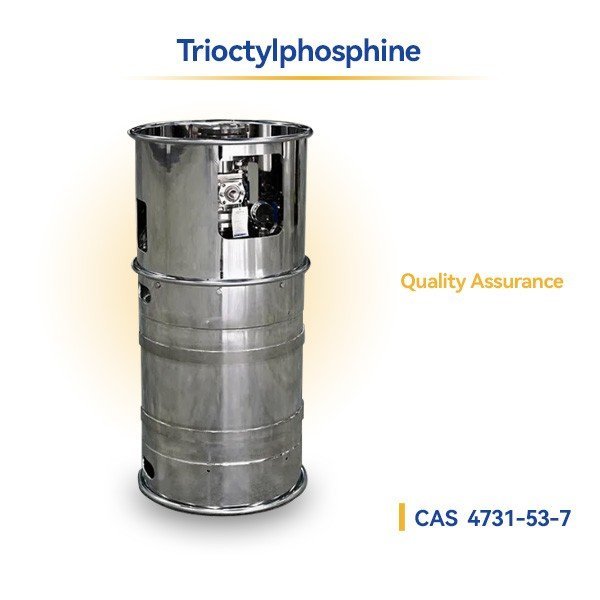
Trioctylphosphine
- CAS No.
- 4731-53-7
Trioctylphosphine, CAS 4731-53-7. Source-derived identification, physical data and applications are provided for catalogue reference; request the current specification, COA and SDS for the required…
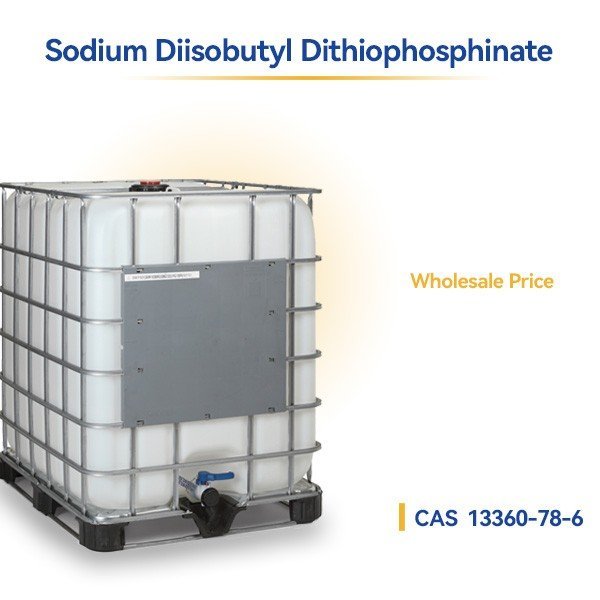
Sodium Diisobutyl Dithiophosphinate
- CAS No.
- 13360-78-6
Sodium Diisobutyl Dithiophosphinate, CAS 13360-78-6. Source-derived identification, physical data and applications are provided for catalogue reference; request the current specification, COA and SDS for…
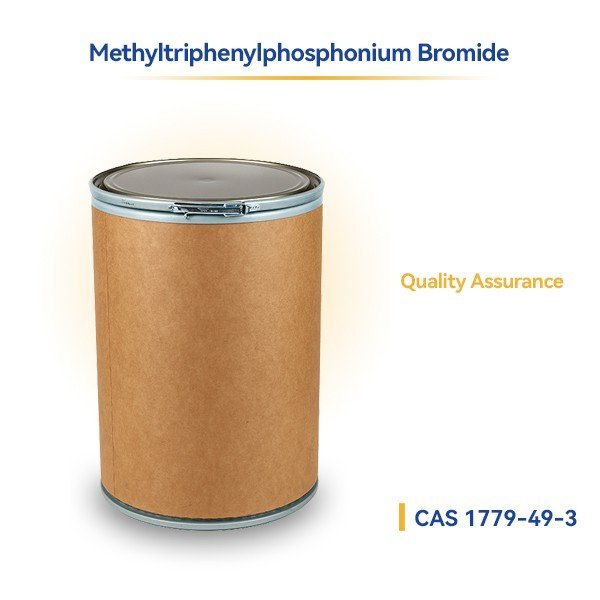
Methyltriphenylphosphonium Bromide
- CAS No.
- 1779-49-3
Methyltriphenylphosphonium Bromide, CAS 1779-49-3. Source-derived identification, physical data and applications are provided for catalogue reference; request the current specification, COA and SDS for the…