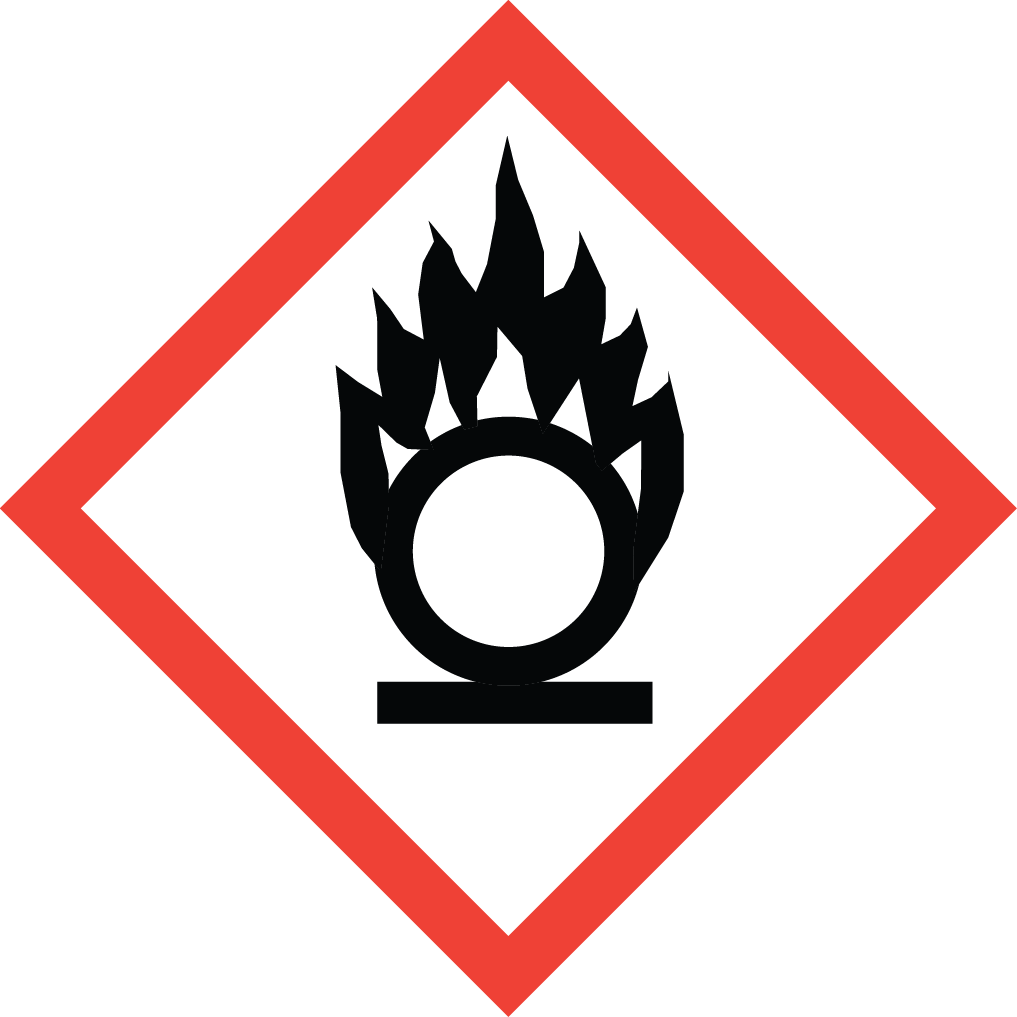
GHS Classification: Oxidizer (GHS03), Acute Toxicity (GHS06), Environmental Hazard (GHS09)
Hazard Statements: May intensify fire; oxidizer; toxic if swallowed; toxic to aquatic life with long lasting effects.
UN Number: UN 1500
Hazard Class: 5.1 (Oxidizing Substances), 6.1 (Toxic Substances)
Packing Group: III
Sodium Nitrite
GTC-605
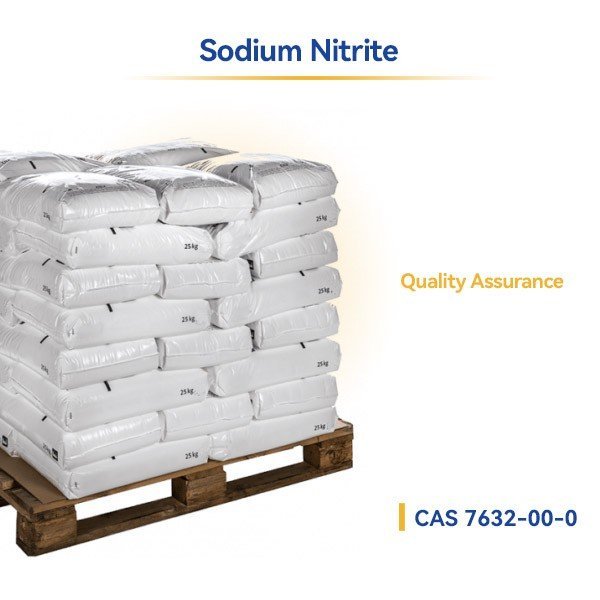
Representative packaging
Inorganic Salts
Sodium Nitrite
- CAS No.
- 7632-00-0
- Catalogue ID
- GTC-605
Sodium Nitrite, CAS 7632-00-0. Source-derived identification, physical data and applications are provided for catalogue reference; request the current specification, COA and SDS for the required grade.
Catalogue aliases / related identifiers
Nitrous Acid, Sodium Salt; Anti-Rust; Diazoting Salts; Erinitrit; Nitrite; Natrium nitrit; Nitrite de sodium; Nitrito sodico
Supplied catalogue source: GTC-605 · Page 48
Reference data — confirm before ordering or use
The information below is a structured migration from the supplied catalogue snapshot. It is not a current product specification, COA or SDS. Confirm the actual supplier, grade, batch documents, classification, packing and destination requirements for your enquiry.
Basic Information of Sodium Nitrite
| CAS No.: | 7632-00-0 |
|---|---|
| EC No.: | 231-555-9 |
| Linear Formula: | NaNO₂ |
| Molecular Weight: | 69 |
| Appearance: | White to yellowish crystalline powder. |
| Melting point: | 271 °C (lit.) |
| Density: | 2.17g/cm3 |
| Solubility: | Highly soluble in water. Moderately soluble in alcohol. |
| Nature: | Oxidizing agent. Hygroscopic. Toxic if swallowed or inhaled. |
| RIDADR: | UN 1500 5.1, 6.1/PG 3 |
| Chemical Structure: | 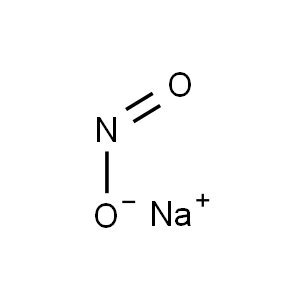 |
Our commitment to delivering high-purity Sodium Nitrite ensures a reliable and efficient component for your critical processes.
Primary Applications of Sodium Nitrite
Sodium Nitrite's unique chemical properties, including its oxidizing and reducing capabilities, make it an incredibly valuable and versatile compound with applications across numerous industries:
Food Preservative and Curing Agent:
One of its most prominent uses is in the meat processing industry as a curing agent. It helps to preserve meat, enhance flavor and color (e.g., in cured meats like bacon, ham, and hot dogs), and most critically, inhibit the growth of *Clostridium botulinum*, the bacteria responsible for botulism.
Corrosion Inhibitor:
Sodium Nitrite is widely employed as a corrosion inhibitor in various industrial systems, including cooling water systems, pipelines, and automotive antifreeze. It forms a protective passive layer on metal surfaces, preventing rust and degradation.
Dye and Pigment Synthesis:
It is a crucial reagent in the production of organic dyes, pigments, and intermediates, particularly in the diazotization process used to synthesize azo dyes, which are widely used in textiles, paper, and printing inks.
Pharmaceutical Industry:
Sodium Nitrite is used as a reagent in the synthesis of certain pharmaceuticals and other fine chemicals.
Rubber and Textile Industries:
In the rubber industry, it can act as an antioxidant or a blowing agent. In textile applications, it is used in bleaching and dyeing processes.
Photography:
Historically, it has found limited use in photographic processes as an anti-fogging agent.
Exceptional Purity & Consistency: Our Sodium Nitrite is manufactured to stringent purity specifications, critical for maximizing effectiveness in sensitive applications like food processing and ensuring consistent performance in industrial processes.
Commitment to Quality & Safety: We adhere to the highest industry standards for quality management, safety, and environmental responsibility across all our operations, ensuring peace of mind for our clients.
Hazards Classification


Before you order
Confirm the current commercial product record.
Include the required grade or purity, quantity, preferred packing, destination country/port and required document set.
- 01Current specification
- 02Batch or sample COA
- 03Product- and supplier-specific SDS
- 04Packing and shipping review
INQUIRY
Continue browsing
Related Products
Sodium Hypochlorite Solution (>5% Available Chlorine)
- CAS No.
- 7681-52-9
Sodium Hypochlorite Solution (>5% Available Chlorine), CAS 7681-52-9. Source-derived identification, physical data and applications are provided for catalogue reference; request the current specification, COA…

Sodium Dithionite
- CAS No.
- 7775-14-6
Sodium Dithionite, CAS 7775-14-6. Source-derived identification, physical data and applications are provided for catalogue reference; request the current specification, COA and SDS for the…
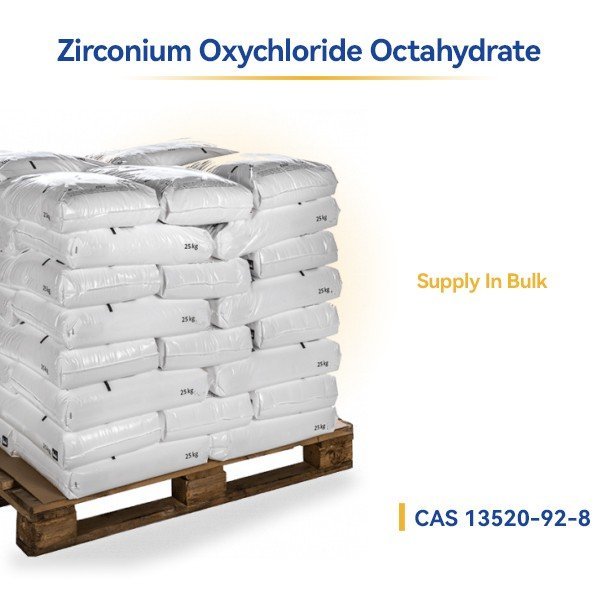
Zirconium Oxychloride Octahydrate
- CAS No.
- 13520-92-8
Zirconium Oxychloride Octahydrate, CAS 13520-92-8. Source-derived identification, physical data and applications are provided for catalogue reference; request the current specification, COA and SDS for…
Zinc Chloride
- CAS No.
- 7646-85-7
Zinc Chloride, CAS 7646-85-7. Source-derived identification, physical data and applications are provided for catalogue reference; request the current specification, COA and SDS for the…
Sodium Bisulfite
- CAS No.
- 7631-90-5
Sodium Bisulfite, CAS 7631-90-5. Source-derived identification, physical data and applications are provided for catalogue reference; request the current specification, COA and SDS for the…
Sodium Metabisulfite
- CAS No.
- 7681-57-4
Sodium Metabisulfite, CAS 7681-57-4. Source-derived identification, physical data and applications are provided for catalogue reference; request the current specification, COA and SDS for the…
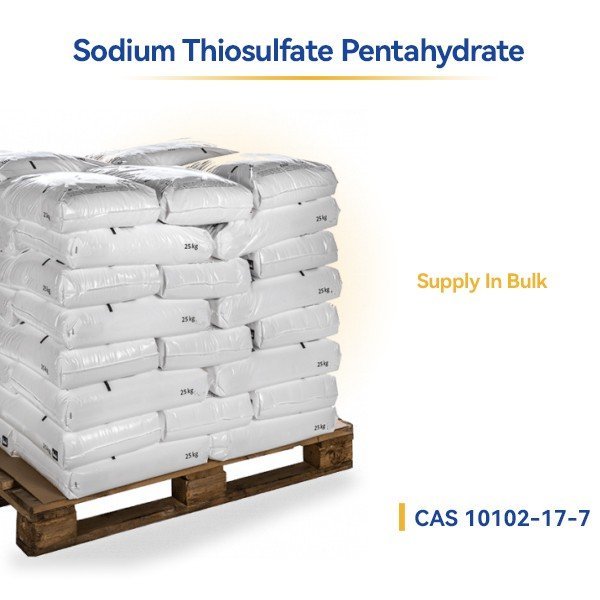
Sodium Thiosulfate Pentahydrate
- CAS No.
- 10102-17-7
Sodium Thiosulfate Pentahydrate, CAS 10102-17-7. Source-derived identification, physical data and applications are provided for catalogue reference; request the current specification, COA and SDS for…
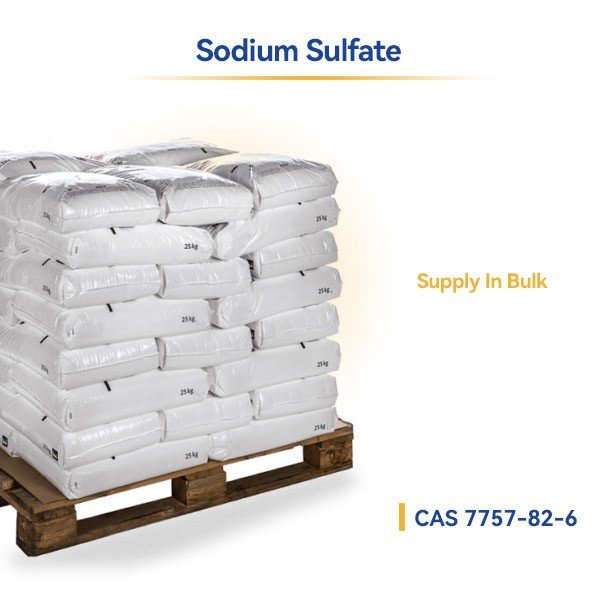
Sodium Sulfate
- CAS No.
- 7757-82-6
Sodium Sulfate, CAS 7757-82-6. Source-derived identification, physical data and applications are provided for catalogue reference; request the current specification, COA and SDS for the…