GHS Classification: Skin Corrosion/Irritation (Category 2), Serious Eye Damage/Eye Irritation (Category 2A), Specific Target Organ Toxicity - Single Exposure (Category 3, Respiratory System)
Hazard Statements: H315 (Causes skin irritation); H319 (Causes serious eye irritation); H335 (May cause respiratory irritation)
UN Number: UN 3264
Hazard Class: 8 (Corrosive Substances)
Packing Group: III
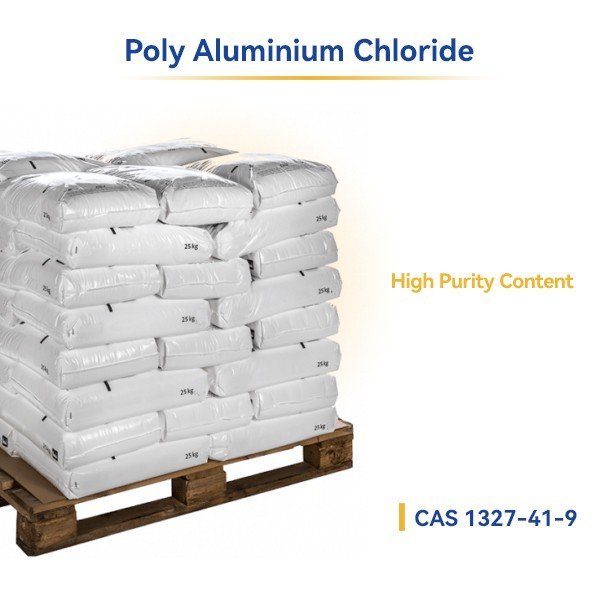
Poly Aluminium Chloride
GTC-538
Representative packaging
Inorganic Salts
Poly Aluminium Chloride
- CAS No.
- 1327-41-9
- Catalogue ID
- GTC-538
Poly Aluminium Chloride, CAS 1327-41-9. Source-derived identification, physical data and applications are provided for catalogue reference; request the current specification, COA and SDS for the required grade.
Catalogue aliases / related identifiers
PAC, Polyaluminum Hydroxychloride, Aluminum Chloride Hydroxide, Basic Aluminum Chloride
Supplied catalogue source: GTC-538 · Page 46
Reference data — confirm before ordering or use
The information below is a structured migration from the supplied catalogue snapshot. It is not a current product specification, COA or SDS. Confirm the actual supplier, grade, batch documents, classification, packing and destination requirements for your enquiry.
Basic Information of Trimethylsilyl Chloride
| CAS No.: | 1327-41-9 |
|---|---|
| EC No.: | 215-477-2 |
| Linear Formula: | [Al₂(OH)ₙCl₆₋ₙ]ₘ |
| Molecular Weight: | 79.44 |
| Appearance: | Glassy solid |
| Density: | 1.36[at 20℃] |
| Solubility: | Soluble H2O, forms slightly turbid colloidal solution. |
| Stability: | Stable. Incompatible with many metals. |
| Chemical Structure: | 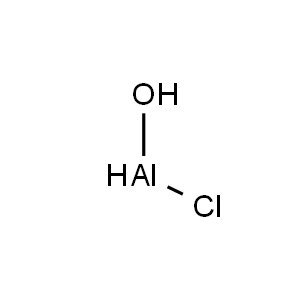 |
Industrial Applications
Our Poly Aluminium Chloride is a versatile chemical used across multiple industries for its reliable coagulation and flocculation properties:
Municipal & Potable Water Treatment: Effectively removes suspended solids (turbidity), color, and microorganisms to produce safe drinking water that meets stringent quality standards.
Wastewater Treatment: Used to treat industrial and municipal wastewater, efficiently removing contaminants such as phosphates, COD (Chemical Oxygen Demand), and BOD (Biochemical Oxygen Demand).
Pulp and Paper Industry: Acts as a sizing agent to control paper absorbency and as a retention aid to improve the efficiency of the papermaking process.
Textile Industry: Applied in the treatment of effluent from dyeing and finishing processes to remove color and other pollutants.
Oil and Gas Industry: Utilized in the treatment of produced water and drilling wastewater, separating oil and suspended solids.
Mining Industry: Aids in solid-liquid separation in mineral processing and tailing treatment.
Greater Efficiency: Works effectively at lower dosages, reducing overall chemical consumption and operational costs.
Wider pH Range: Maintains high performance across a broad pH spectrum, often eliminating the need for pH adjustment with lime or soda ash.
Improved Water Quality: Results in lower residual aluminum content in treated water and less impact on the final pH.
Reduced Sludge: Produces denser, more compact sludge that is easier to dewater and dispose of, leading to cost savings.
Faster Floc Formation: Forms larger and more robust flocs that settle more quickly, improving clarifier throughput and efficiency.
Frequently Asked Questions (FAQ)
What is Poly Aluminium Chloride (PAC)?
Poly Aluminium Chloride (PAC) is an inorganic polymer coagulant with the general formula [Al₂(OH)ₙCl₆₋ₙ]ₘ. It is widely used in water and wastewater treatment as an efficient coagulant and flocculant, helping remove suspended solids, turbidity, and organic matter.
Is Poly Aluminium Chloride toxic?
PAC is not considered highly toxic, but concentrated solutions are acidic and can be irritating to skin, eyes, and the respiratory tract. Proper handling with personal protective equipment (PPE) such as gloves and goggles is recommended.
Is Poly Aluminium Chloride hazardous?
PAC is classified as an irritant. While not usually regulated as a dangerous good for transport, it can cause irritation or burns on contact. Liquid PAC may be corrosive to certain metals. Safety Data Sheets (SDS) should always be consulted before handling.
What is Poly Aluminium Chloride in water treatment?
In water treatment, PAC acts as a powerful coagulant. It neutralizes the charges of suspended particles, causing them to aggregate into larger flocs that settle quickly. This process improves water clarity, removes color, and reduces contaminants like COD, BOD, and phosphates.
How to make Poly Aluminium Chloride?
Industrially, PAC is manufactured by reacting aluminium hydroxide or bauxite with hydrochloric acid under controlled conditions, sometimes with additional stabilizers. The process yields liquid or spray-dried solid PAC, available in different basicity grades (low, medium, high) tailored for specific applications.
What are the advantages of PAC compared to alum (aluminium sulfate)?
PAC works effectively at lower dosages, produces less sludge, forms stronger and faster-settling flocs, and performs well across a wider pH range compared to traditional alum.
Hazards Classification


<
Before you order
Confirm the current commercial product record.
Include the required grade or purity, quantity, preferred packing, destination country/port and required document set.
- 01Current specification
- 02Batch or sample COA
- 03Product- and supplier-specific SDS
- 04Packing and shipping review
INQUIRY
Continue browsing
Related Products
Sodium Hypochlorite Solution (>5% Available Chlorine)
- CAS No.
- 7681-52-9
Sodium Hypochlorite Solution (>5% Available Chlorine), CAS 7681-52-9. Source-derived identification, physical data and applications are provided for catalogue reference; request the current specification, COA…
Sodium Dithionite
- CAS No.
- 7775-14-6
Sodium Dithionite, CAS 7775-14-6. Source-derived identification, physical data and applications are provided for catalogue reference; request the current specification, COA and SDS for the…
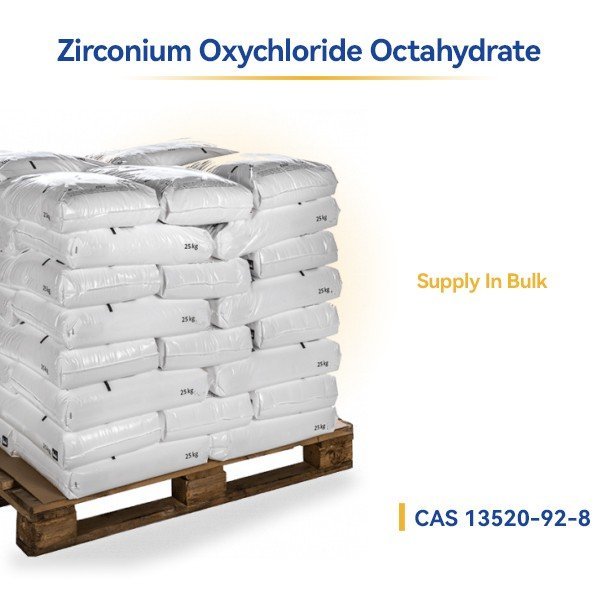
Zirconium Oxychloride Octahydrate
- CAS No.
- 13520-92-8
Zirconium Oxychloride Octahydrate, CAS 13520-92-8. Source-derived identification, physical data and applications are provided for catalogue reference; request the current specification, COA and SDS for…
Zinc Chloride
- CAS No.
- 7646-85-7
Zinc Chloride, CAS 7646-85-7. Source-derived identification, physical data and applications are provided for catalogue reference; request the current specification, COA and SDS for the…
Sodium Bisulfite
- CAS No.
- 7631-90-5
Sodium Bisulfite, CAS 7631-90-5. Source-derived identification, physical data and applications are provided for catalogue reference; request the current specification, COA and SDS for the…
Sodium Metabisulfite
- CAS No.
- 7681-57-4
Sodium Metabisulfite, CAS 7681-57-4. Source-derived identification, physical data and applications are provided for catalogue reference; request the current specification, COA and SDS for the…
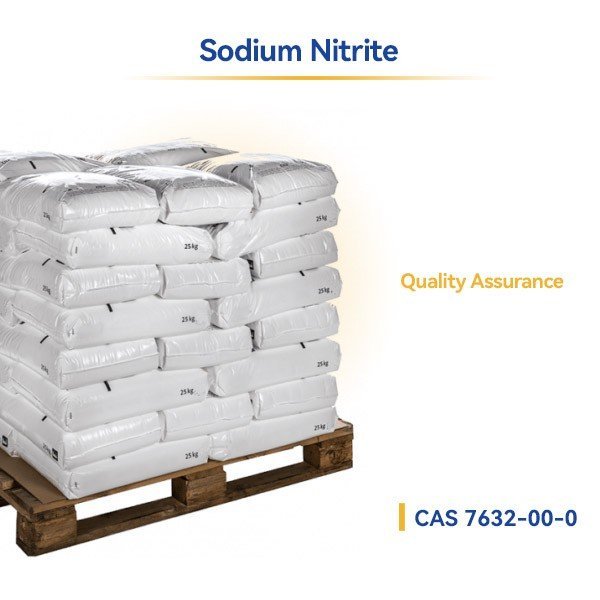
Sodium Nitrite
- CAS No.
- 7632-00-0
Sodium Nitrite, CAS 7632-00-0. Source-derived identification, physical data and applications are provided for catalogue reference; request the current specification, COA and SDS for the…
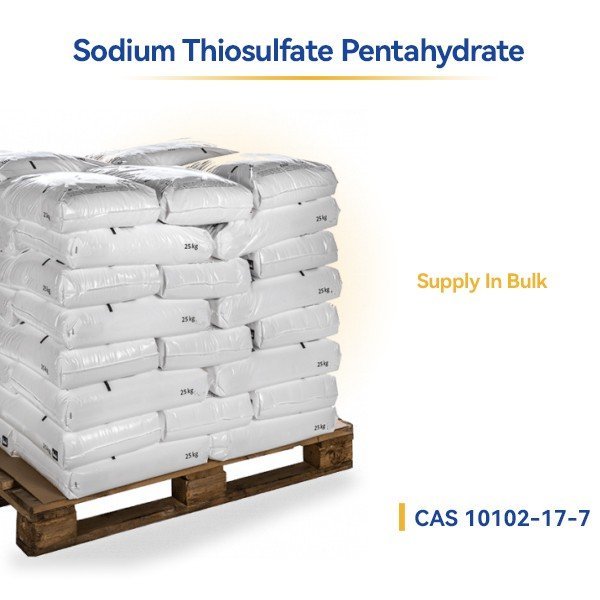
Sodium Thiosulfate Pentahydrate
- CAS No.
- 10102-17-7
Sodium Thiosulfate Pentahydrate, CAS 10102-17-7. Source-derived identification, physical data and applications are provided for catalogue reference; request the current specification, COA and SDS for…