GHS Classification: Acute Toxicity (GHS06), Corrosive (GHS05), Health Hazard (GHS08), Environmental Hazard (GHS09)
Hazard Statements: Toxic in contact with skin and if swallowed; causes severe skin burns and eye damage; may cause damage to organs through prolonged or repeated exposure; toxic to aquatic life with long lasting effects.
UN Number: UN 2821
Hazard Class: 6.1 (Toxic Substances), 8 (Corrosive Substances)
Packing Group: II
Phenol
GTC-520
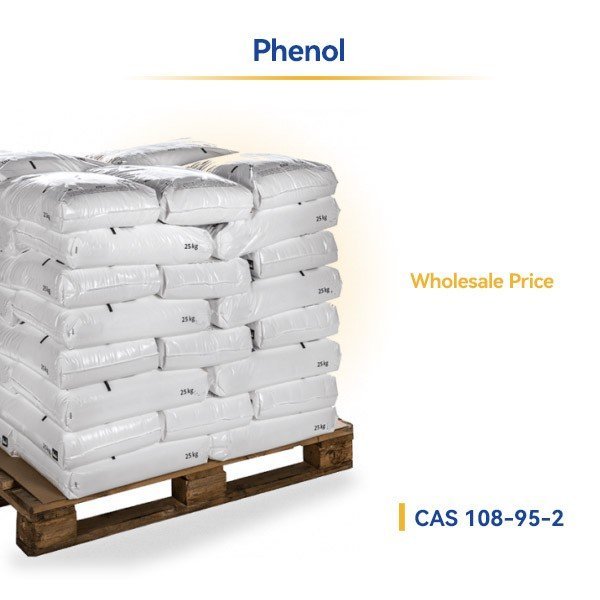
Representative packaging
Phenols
Phenol
- CAS No.
- 108-95-2
- Catalogue ID
- GTC-520
Phenol, CAS 108-95-2. Source-derived identification, physical data and applications are provided for catalogue reference; request the current specification, COA and SDS for the required grade.
Catalogue aliases / related identifiers
Carbolic Acid; Hydroxybenzene; Benzenol; Phenyl Alcohol; Phenic Acid
Supplied catalogue source: GTC-520 · Page 35
Reference data — confirm before ordering or use
The information below is a structured migration from the supplied catalogue snapshot. It is not a current product specification, COA or SDS. Confirm the actual supplier, grade, batch documents, classification, packing and destination requirements for your enquiry.
Basic Information of Phenol
| CAS No.: | 108-95-2 |
|---|---|
| EC No.: | 203-632-7 |
| Linear Formula: | C₆H₅OH |
| Molecular Weight: | 94.11 |
| Appearance: | Colorless to light pink crystalline solid (deliquescent). |
| Odor: | Distinctive, sweet, tarry odor. |
| Melting point: | 40-42 °C(lit.) |
| Boiling point: | 182 °C(lit.) |
| Density: | 1.071 g/mL at 25 °C(lit.) |
| Solubility: | Slightly soluble in cold water, soluble in hot water and most organic solvents (e.g., ethanol, ether, acetone). |
| Flash point: | 175 °F |
| Nature: | Corrosive solid, toxic by ingestion, inhalation, and skin absorption. |
| RIDADR: | UN 2821 6.1/PG 2 |
| Chemical Structure: |  |
Our commitment to delivering high-purity Phenol ensures a reliable and efficient component for your complex manufacturing and synthesis processes.
Primary Applications of Phenol (Carbolic Acid)
Phenol's unique chemical properties make it an incredibly valuable and versatile industrial chemical with applications across numerous sectors:
Production of Plastics and Resins:
A significant portion of globally produced Phenol is used in the manufacture of various plastics and resins. Key examples include phenolic resins (like Bakelite), epoxy resins, and polycarbonates, which are used in a wide range of products from construction materials to electronics.
Pharmaceutical Synthesis:
Phenol is a crucial intermediate in the synthesis of numerous pharmaceutical drugs, including aspirin (acetylsalicylic acid), as well as various antiseptics, analgesics, and other medicinal compounds.
Dye and Pigment Manufacturing:
It serves as a vital precursor in the production of a wide array of dyes and pigments used in textiles, paints, and other coloring applications.
Agrochemicals:
Phenol is used in the synthesis of certain herbicides, such as 2,4-D and MCPA, which are widely used in agriculture for weed control.
Disinfectants and Antiseptics:
Historically and still to some extent, Phenol and its derivatives are used as disinfectants and antiseptics due to their biocidal properties.
Production of Caprolactam:
Phenol is a precursor in the production of caprolactam, a key monomer used in the manufacture of nylon-6 fibers and plastics.
Exceptional Purity & Quality: Our Phenol is manufactured to stringent purity specifications, ensuring optimal performance in your downstream processes and consistent quality in your end products.
Commitment to Quality & Safety: We adhere to the highest industry standards for quality management, safety, and environmental responsibility across all our operations, ensuring peace of mind for our clients handling this hazardous material.
Hazards Classification




Before you order
Confirm the current commercial product record.
Include the required grade or purity, quantity, preferred packing, destination country/port and required document set.
- 01Current specification
- 02Batch or sample COA
- 03Product- and supplier-specific SDS
- 04Packing and shipping review
INQUIRY
Continue browsing
Related Products
4-Chlorophenol
- CAS No.
- 106-48-9
4-Chlorophenol, CAS 106-48-9. Source-derived identification, physical data and applications are provided for catalogue reference; request the current specification, COA and SDS for the required…