GHS Classification: Acute Toxicity, Oral (GHS06), Skin Corrosion (GHS05), Environmental Hazard (GHS09)
Hazard Statements: Toxic if swallowed; causes severe skin burns and eye damage; toxic to aquatic life with long lasting effects.
UN Number: UN 2811
Hazard Class: 6.1 (Toxic substances), 8 (Corrosive substances)
Packing Group: III
Methyltributylammonium Triflimide
GTC-454
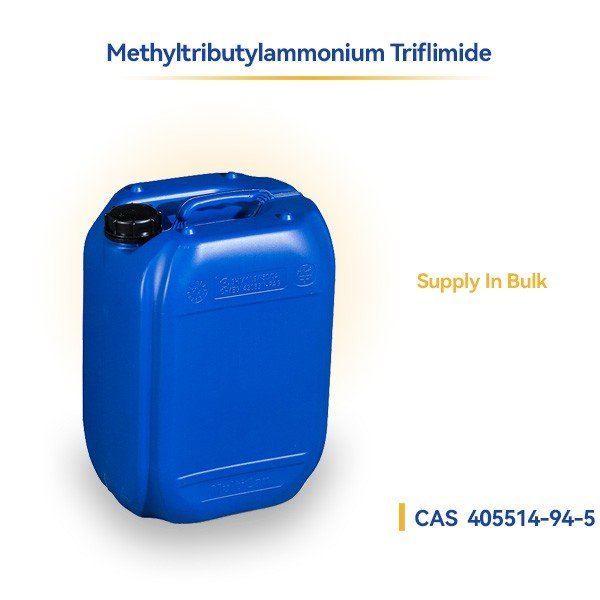
Representative packaging
Triflates
Methyltributylammonium Triflimide
- CAS No.
- 405514-94-5
- Catalogue ID
- GTC-454
Methyltributylammonium Triflimide, CAS 405514-94-5. Source-derived identification, physical data and applications are provided for catalogue reference; request the current specification, COA and SDS for the required grade.
Catalogue aliases / related identifiers
Tributylmethylammonium bis(Trifluoromethylsulfonyl)imide; Tributylmethylammonium bis(trifluoromethanesulfonyl)imide; [N(Bu)3Me][TFSI]
Supplied catalogue source: GTC-454 · Page 90
Reference data — confirm before ordering or use
The information below is a structured migration from the supplied catalogue snapshot. It is not a current product specification, COA or SDS. Confirm the actual supplier, grade, batch documents, classification, packing and destination requirements for your enquiry.
Basic Information of Methyltributylammonium Triflimide
| CAS No.: | 405514-94-5 |
|---|---|
| Linear Formula: | N(C₄H₉)₃CH₃][N(SO₂CF₃)₂ |
| Molecular Weight: | 522.61 |
| Appearance: | Clear, colorless to pale yellow liquid. |
| Melting Point: | 27°C |
| Density: | 1.15 - 1.20 |
| Solubility: | Immiscible with water; soluble in various organic solvents (e.g., acetonitrile, dichloromethane). |
| Stability: | Excellent thermal stability; broad electrochemical window; hydrolytically stable. |
| Purity: | Available in high purity grades (e.g., 99% min) for demanding electrochemical and synthetic applications. |
| RIDADR: | UN 2811 6.1, 8/PG 3 |
| Chemical Structure: | 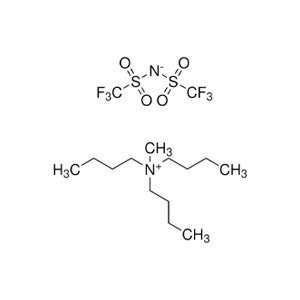 |
Our commitment to delivering high-purity [N(Bu)3Me][TFSI] ensures a reliable and efficient component for your critical processes, offering consistent quality for diverse energy storage, synthetic, and material science applications.
Primary Applications of Methyltributylammonium Triflimide ([N(Bu)3Me][TFSI])
Methyltributylammonium Triflimide's unique properties as an ionic liquid, including its non-volatility, thermal stability, and high ionic conductivity, make it an invaluable component in various advanced technological fields:
Electrolyte in Electrochemical Devices:
It is widely used as a key component in electrolytes for next-generation energy storage systems, including:
Lithium-Ion Batteries: Enhances performance and safety, particularly in formulations designed for high temperatures or specific ionic conductivities.
Supercapacitors: Contributes to improved energy density and cycle life due to its broad electrochemical window and stability.
Dye-Sensitized Solar Cells (DSSCs): Used as an electrolyte component to improve efficiency and stability.
Advanced Solvent for Chemical Processes:
[N(Bu)3Me][TFSI] serves as an environmentally benign and highly effective solvent for various chemical reactions and processes, including:
Catalysis: Provides a unique reaction medium that can enhance catalyst activity, selectivity, and recyclability, often replacing volatile organic solvents.
Separations: Used in liquid-liquid extraction, gas absorption, and other separation processes due to its tunable miscibility and ability to selectively dissolve target compounds.
Electrodeposition: Enables the electrodeposition of various metals and metal alloys with improved morphology and properties.
Polymer and Material Science:
It is incorporated into polymer matrices to create ion-conducting polymer electrolytes for flexible electronics, sensors, and other advanced material applications where ion transport is crucial.
Analytical Chemistry:
Used as a specialized solvent in certain analytical techniques where its unique properties offer advantages over traditional solvents.
Its role as an ionic liquid in electrochemical systems is discussed in TFSI and triflate salts in electrochemistry.
For a system-level perspective on TFSI-based ionic liquids within triflate chemistry, refer to the overview of triflic acid and triflate chemistry.
Exceptional Purity & Consistent Quality: Our Methyltributylammonium Triflimide is manufactured to stringent purity specifications, crucial for achieving optimal and reproducible performance in sensitive electrochemical devices and advanced chemical synthesis.
Expert Technical Support: Our dedicated team of specialists is readily available to offer comprehensive guidance on product application, safe handling, optimal storage, and usage in your specific energy storage or chemical processes, ensuring maximum efficiency and safety.
Commitment to Quality & Responsible Stewardship: We adhere to the highest industry standards for quality management, environmental responsibility, and product stewardship across all our operations, ensuring peace of mind for our clients and sustainable sourcing practices.
Customized Solutions: We understand that different applications may require specific purity levels. We are open to discussing customized solutions to meet your exact requirements.
Hazards Classification



Before you order
Confirm the current commercial product record.
Include the required grade or purity, quantity, preferred packing, destination country/port and required document set.
- 01Current specification
- 02Batch or sample COA
- 03Product- and supplier-specific SDS
- 04Packing and shipping review
INQUIRY
Continue browsing
Related Products
Zinc Triflate
- CAS No.
- 54010-75-2
Zinc Triflate, CAS 54010-75-2. Source-derived identification, physical data and applications are provided for catalogue reference; request the current specification, COA and SDS for the…
Triflic Acid
- CAS No.
- 1493-13-6
Triflic Acid, CAS 1493-13-6. Source-derived identification, physical data and applications are provided for catalogue reference; request the current specification, COA and SDS for the…
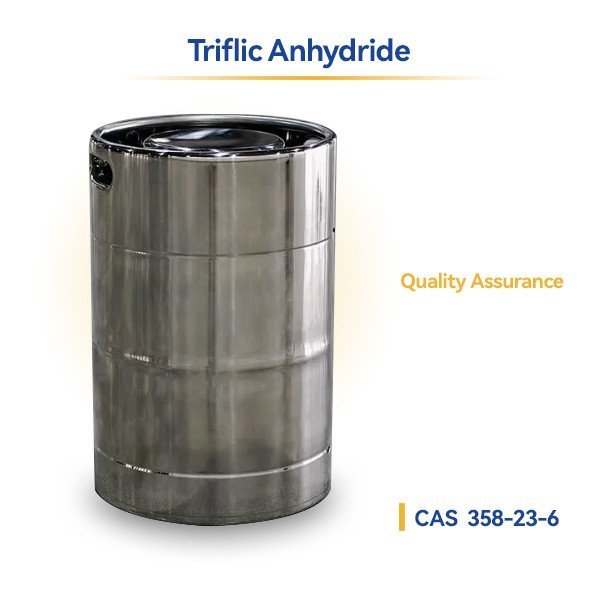
Triflic Anhydride
- CAS No.
- 358-23-6
Triflic Anhydride, CAS 358-23-6. Source-derived identification, physical data and applications are provided for catalogue reference; request the current specification, COA and SDS for the…
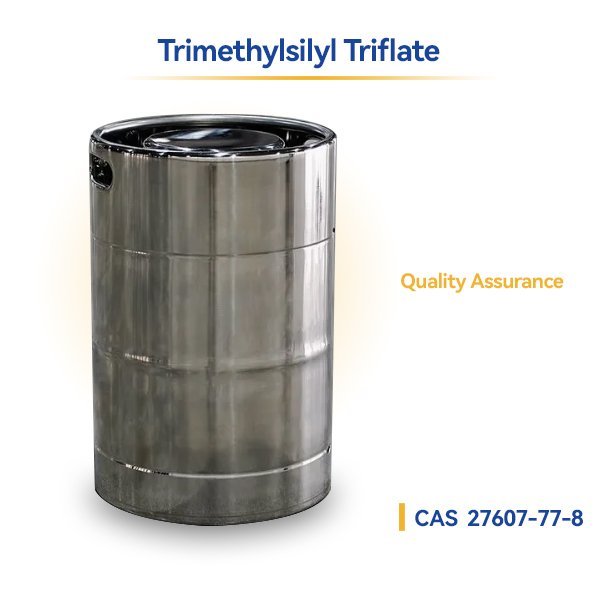
Trimethylsilyl Triflate
- CAS No.
- 27607-77-8
Trimethylsilyl Triflate, CAS 27607-77-8. Source-derived identification, physical data and applications are provided for catalogue reference; request the current specification, COA and SDS for the…
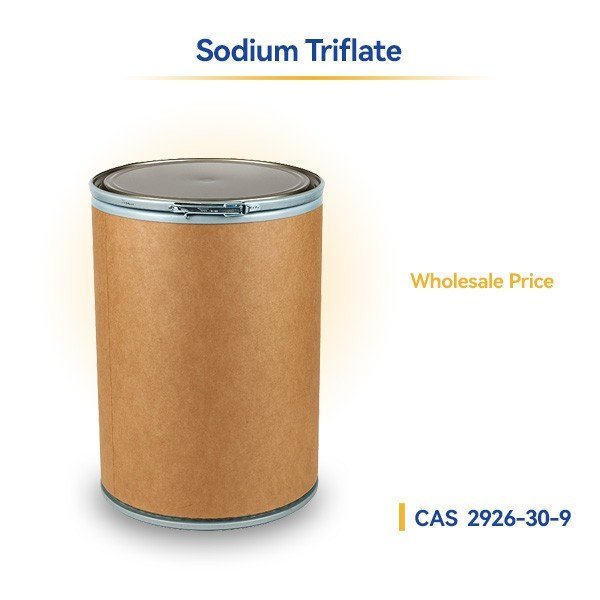
Sodium Triflate
- CAS No.
- 2926-30-9
Sodium Triflate, CAS 2926-30-9. Source-derived identification, physical data and applications are provided for catalogue reference; request the current specification, COA and SDS for the…

Scandium Triflate
- CAS No.
- 144026-79-9
Scandium Triflate, CAS 144026-79-9. Source-derived identification, physical data and applications are provided for catalogue reference; request the current specification, COA and SDS for the…
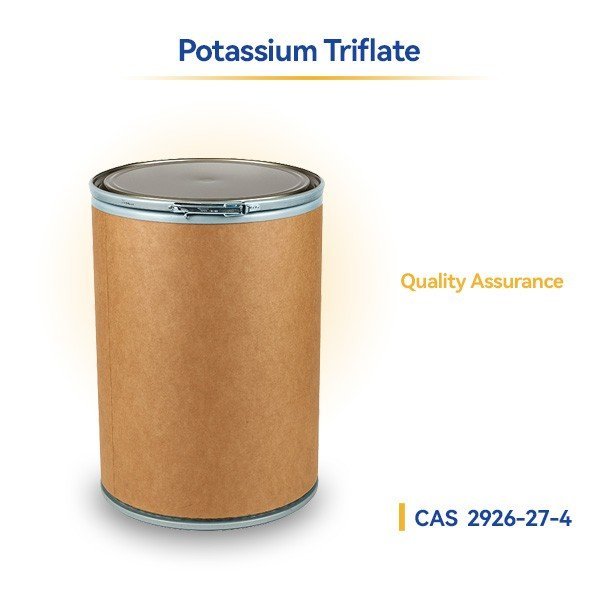
Potassium Triflate
- CAS No.
- 2926-27-4
Potassium Triflate, CAS 2926-27-4. Source-derived identification, physical data and applications are provided for catalogue reference; request the current specification, COA and SDS for the…

N-Phenyltriflimide
- CAS No.
- 37595-74-7
N-Phenyltriflimide, CAS 37595-74-7. Source-derived identification, physical data and applications are provided for catalogue reference; request the current specification, COA and SDS for the required…