Trimethylethoxysilane
- CAS No.
- 1825-62-3
Trimethylethoxysilane, CAS 1825-62-3. Source-derived identification, physical data and applications are provided for catalogue reference; request the current specification, COA and SDS for the required…
GTC-313
Organosilicon Compounds
Dichloro(methyl)phenylsilane, CAS 149-74-6. Source-derived identification, physical data and applications are provided for catalogue reference; request the current specification, COA and SDS for the required grade.
Methylphenyldichlorosilane; Phenylmethyldichlorosilane; Silane, dichloro(methyl)phenyl-; Dichloromethylphenylsilane; (Dichloromethyl)phenylsilane; Benzene, (dichloromethylsilyl)-; Methyldichlorophenylsilane
Supplied catalogue source: GTC-313 · Page 52
The information below is a structured migration from the supplied catalogue snapshot. It is not a current product specification, COA or SDS. Confirm the actual supplier, grade, batch documents, classification, packing and destination requirements for your enquiry.
| CAS No. | 149-74-6 |
|---|---|
| EC No. | 205-746-2 |
| Linear Formula | C6H5Si(CH3)Cl2 |
| Molecular Weight | 191.13 g/mol |
| Appearance | Colorless liquid |
| Melting Point | -53 °C (lit.) |
| Boiling point | 205 °C (lit.) |
| Density | 1.176 g/mL at 25 °C (lit.) |
| RIDADR | UN 2437 Class 8 Packing Group II |
| Chemical Structure | 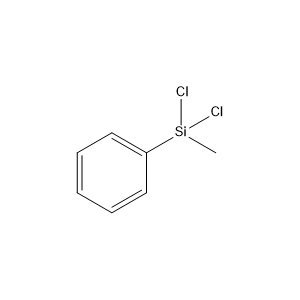 |
Silicone polymer intermediate: Incorporated in phenyl-containing silicone oils and rubbers to enhance thermal resistance.
Silylating reagent: Used for introducing silyl groups in organic reactions.
Pharmaceutical precursors: Acts as a building block in silicon-based drug synthesis.
Material modification: Applied in surface treatments for polymers and coatings.
Laboratory reagent: Employed in research for developing new silane derivatives.
Consistent quality suitable for demanding industrial processes: Backed by thorough quality checks.
Flexible supply arrangements for global customers: Adapts to various order sizes and destinations.
Full documentation support for industrial procurement: Includes all necessary safety and analysis papers.
Assistance with packaging selection and shipment planning: Provides customized options for safe transport.
GHS Classification: Acute toxicity (oral) Category 4 (GHS07); Skin corrosion Category 1A (GHS05); Serious eye damage Category 1 (GHS05).
Hazard Statements: H302 Harmful if swallowed; H314 Causes severe skin burns and eye damage.
UN Number: 2437
Hazard Class: 8 (Corrosive)
Packing Group: II


Reacts vigorously with water producing corrosive fumes. Store in a dry, ventilated area sealed from moisture. Handle with protective clothing and equipment in controlled environments.
Include the required grade or purity, quantity, preferred packing, destination country/port and required document set.
Trimethylethoxysilane, CAS 1825-62-3. Source-derived identification, physical data and applications are provided for catalogue reference; request the current specification, COA and SDS for the required…
Dichlorodimethylsilane, CAS 75-78-5. Source-derived identification, physical data and applications are provided for catalogue reference; request the current specification, COA and SDS for the required…
Dichloromethylsilane, CAS 75-54-7. Source-derived identification, physical data and applications are provided for catalogue reference; request the current specification, COA and SDS for the required…
Diethoxydimethylsilane, CAS 78-62-6. Source-derived identification, physical data and applications are provided for catalogue reference; request the current specification, COA and SDS for the required…
Trimethylsilyl Chloride, CAS 75-77-4. Source-derived identification, physical data and applications are provided for catalogue reference; request the current specification, COA and SDS for the…