GHS Classification: Acute Toxicity (GHS06), Irritant (GHS07), Health Hazard (GHS08)
Hazard Statements: Toxic if swallowed (H301); Toxic if inhaled (H331); Causes skin irritation (H315); Causes serious eye irritation (H319); May cause respiratory irritation (H335); May cause damage to organs through prolonged or repeated exposure (H373).
UN Number: UN 2205
Hazard Class: 6.1 (Toxic Substances)
Packing Group: III
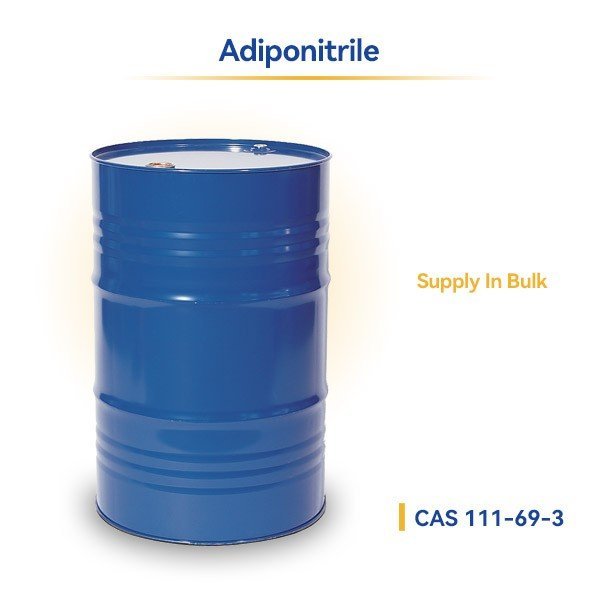
Adiponitrile
GTC-198
Representative packaging
Nitriles
Adiponitrile
- CAS No.
- 111-69-3
- Catalogue ID
- GTC-198
Adiponitrile, CAS 111-69-3. Source-derived identification, physical data and applications are provided for catalogue reference; request the current specification, COA and SDS for the required grade.
Catalogue aliases / related identifiers
1,4-Dicyanobutane; Hexanedinitrile; Adipic acid dinitrile; Adipyl dinitrile; Tetramethylene dicyanide; Butane-1,4-dicarbonitrile
Supplied catalogue source: GTC-198 · Page 12
Reference data — confirm before ordering or use
The information below is a structured migration from the supplied catalogue snapshot. It is not a current product specification, COA or SDS. Confirm the actual supplier, grade, batch documents, classification, packing and destination requirements for your enquiry.
Basic Information of Adiponitrile
| CAS No.: | 111-69-3 |
|---|---|
| EC No.: | 203-896-3 |
| Linear Formula: | NC–(CH₂)₄–CN |
| Molecular Weight: | 108.14 |
| Appearance: | Transparent Liquid |
| Odor: | eak, characteristic odor. |
| Melting Point: | 1-3 °C (lit.) |
| Boiling Point: | 295 °C (lit.) |
| Density: | 0.951 g/mL at 25 °C (lit.) |
| Solubility: | Slightly soluble in water; miscible with most organic solvents like ethanol, ether, and acetone. |
| Flash Point: | 163 °C |
| Nature: | Combustible, toxic. |
| RIDADR: | UN 2205 6.1/PG 3 |
| Chemical Structure: | 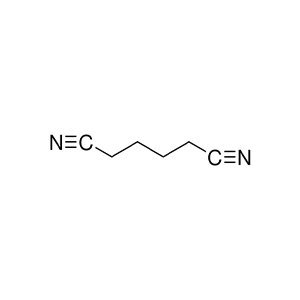 |
Our commitment to delivering high-purity Adiponitrile ensures a reliable and efficient component for your complex manufacturing and synthesis processes.
Primary Applications of Adiponitrile (ADN)
Adiponitrile's unique structure with two terminal nitrile groups makes it an incredibly valuable and strategic chemical intermediate with applications primarily in:
Nylon 6,6 Production (via Hexamethylenediamine):
The overwhelming majority of Adiponitrile produced globally is hydrogenated to yield Hexamethylenediamine (HMDA). HMDA is then reacted with adipic acid to form Nylon 6,6 (polyamide 6,6), a high-performance engineering plastic. Nylon 6,6 is used in a vast array of applications including:
Fibers: Textiles, carpets, apparel, tire cords.
Plastics: Automotive parts, electrical connectors, consumer goods, industrial components (due to its excellent strength, stiffness, and heat resistance).
Chemical Intermediate for Specialty Polyamides:
Beyond Nylon 6,6, Adiponitrile can be used to synthesize other specialty polyamides with tailored properties for specific high-performance applications.
Pharmaceutical Synthesis:
While a smaller volume application, Adiponitrile can serve as a building block in the synthesis of certain pharmaceutical compounds and intermediates, leveraging its dinitrile functionality for complex organic reactions.
Other Specialty Chemicals:
It also finds niche applications in the production of other fine chemicals and specialty compounds where a linear C6 dinitrile structure is required.
Exceptional Purity & Consistency: Our Adiponitrile is manufactured to stringent purity specifications, critical for maximizing conversion to HMDA and ensuring the consistent quality of downstream Nylon 6,6 and other products.
Commitment to Quality & Safety: We adhere to the highest industry standards for quality management, safety, and environmental responsibility across all our operations, ensuring peace of mind for our clients handling this material.
Hazards Classification



Before you order
Confirm the current commercial product record.
Include the required grade or purity, quantity, preferred packing, destination country/port and required document set.
- 01Current specification
- 02Batch or sample COA
- 03Product- and supplier-specific SDS
- 04Packing and shipping review
INQUIRY
Continue browsing
Related Products
Benzonitrile
- CAS No.
- 100-47-0
Benzonitrile, CAS 100-47-0. Source-derived identification, physical data and applications are provided for catalogue reference; request the current specification, COA and SDS for the required…
Acetonitrile
- CAS No.
- 75-05-8
Acetonitrile, CAS 75-05-8. Source-derived identification, physical data and applications are provided for catalogue reference; request the current specification, COA and SDS for the required…
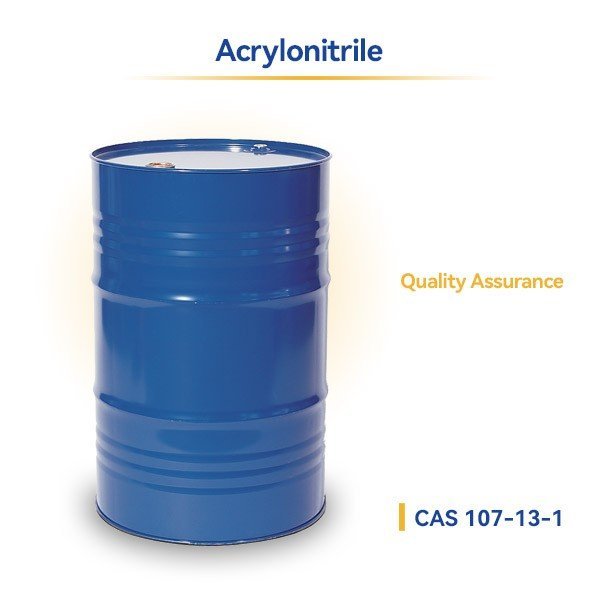
Acrylonitrile
- CAS No.
- 107-13-1
Acrylonitrile, CAS 107-13-1. Source-derived identification, physical data and applications are provided for catalogue reference; request the current specification, COA and SDS for the required…