GHS Classification: Flammable Liquid (GHS02), Acute Toxicity (GHS06), Corrosive (GHS05), Health Hazard (GHS08), Environmental Hazard (GHS09)
Hazard Statements: Flammable liquid and vapor; toxic if inhaled, in contact with skin, or swallowed; causes severe skin burns and eye damage; may cause genetic defects; may cause cancer; toxic to aquatic life with long lasting effects.
UN Number: UN 2023
Hazard Class: 6.1 (Toxic Substances), 3 (Flammable Liquids)
Packing Group: I
Epichlorohydrin
GTC-346
Representative packaging

Organic Halides
Epichlorohydrin
- CAS No.
- 106-89-8
- Catalogue ID
- GTC-346
Epichlorohydrin, CAS 106-89-8. Source-derived identification, physical data and applications are provided for catalogue reference; request the current specification, COA and SDS for the required grade.
Catalogue aliases / related identifiers
1-Chloro-2,3-epoxypropane; (Chloromethyl)oxirane; ECH; Chloropropylene oxide; Epichlorhydrin
Supplied catalogue source: GTC-346 · Page 23
Reference data — confirm before ordering or use
The information below is a structured migration from the supplied catalogue snapshot. It is not a current product specification, COA or SDS. Confirm the actual supplier, grade, batch documents, classification, packing and destination requirements for your enquiry.
Basic Information of Epichlorohydrin
| CAS No.: | 106-89-8 |
|---|---|
| EC No.: | 203-439-8 |
| Linear Formula: | Cl–CH₂–CH(O)–CH₂ |
| Molecular Weight: | 92.52 |
| Appearance: | Transparent Liquid |
| Odor: | Colorless liquid with a pungent, chloroform-like odor. |
| Melting point: | -57 °C |
| Boiling point: | 115-117 °C(lit.) |
| Density: | 1.183 g/mL at 25 °C(lit.) |
| Solubility: | Slightly soluble in water; miscible with most organic solvents (e.g., ethanol, ether, acetone). |
| Flash point: | 93 °F |
| Nature: | Flammable liquid and vapor, toxic by inhalation, ingestion, and skin absorption, a known carcinogen. |
| RIDADR: | UN 2023 6.1/PG 1 |
| Chemical Structure: | 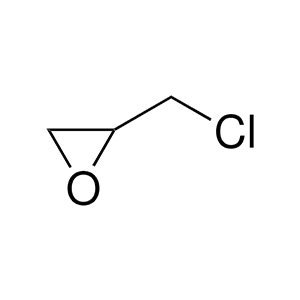 |
Our commitment to delivering high-purity Epichlorohydrin ensures a reliable and efficient component for your complex manufacturing and synthesis processes.
Primary Applications of Epichlorohydrin (ECH)
Epichlorohydrin's unique epoxide and chloromethyl functionalities make it an exceptionally versatile chemical intermediate with diverse applications:
Epoxy Resin Production:
The vast majority of Epichlorohydrin produced globally is used in the synthesis of epoxy resins. These resins, when cured with appropriate hardeners, form strong, durable, and chemically resistant materials used in adhesives, coatings, electrical insulators, and composite materials.
Elastomer Production:
ECH is a key monomer in the production of various synthetic elastomers or rubbers, such as polychlorohydrins, which exhibit excellent resistance to oils, chemicals, and weathering.
Water Treatment Chemicals:
Epichlorohydrin is used to synthesize polyamine-based flocculants and coagulants that are crucial in water purification processes for removing suspended solids and impurities.
Paper Industry:
ECH derivatives find use in the paper industry to improve wet strength and as retention aids during the papermaking process.
Specialty Chemical Synthesis:
ECH serves as a versatile building block for the synthesis of a wide range of other specialty chemicals, including surfactants, pharmaceuticals, dyes, and plasticizers.
Exceptional Purity & Consistency: Our Epichlorohydrin is manufactured to stringent purity specifications. This is critical for maximizing yields in complex syntheses and ensuring consistent quality in your downstream products.
Commitment to Quality & Safety: We adhere to the highest industry standards for quality management, safety, and environmental responsibility across all our operations, ensuring peace of mind for our clients handling this versatile material.
Hazards Classification





Before you order
Confirm the current commercial product record.
Include the required grade or purity, quantity, preferred packing, destination country/port and required document set.
- 01Current specification
- 02Batch or sample COA
- 03Product- and supplier-specific SDS
- 04Packing and shipping review
INQUIRY
Continue browsing
Related Products
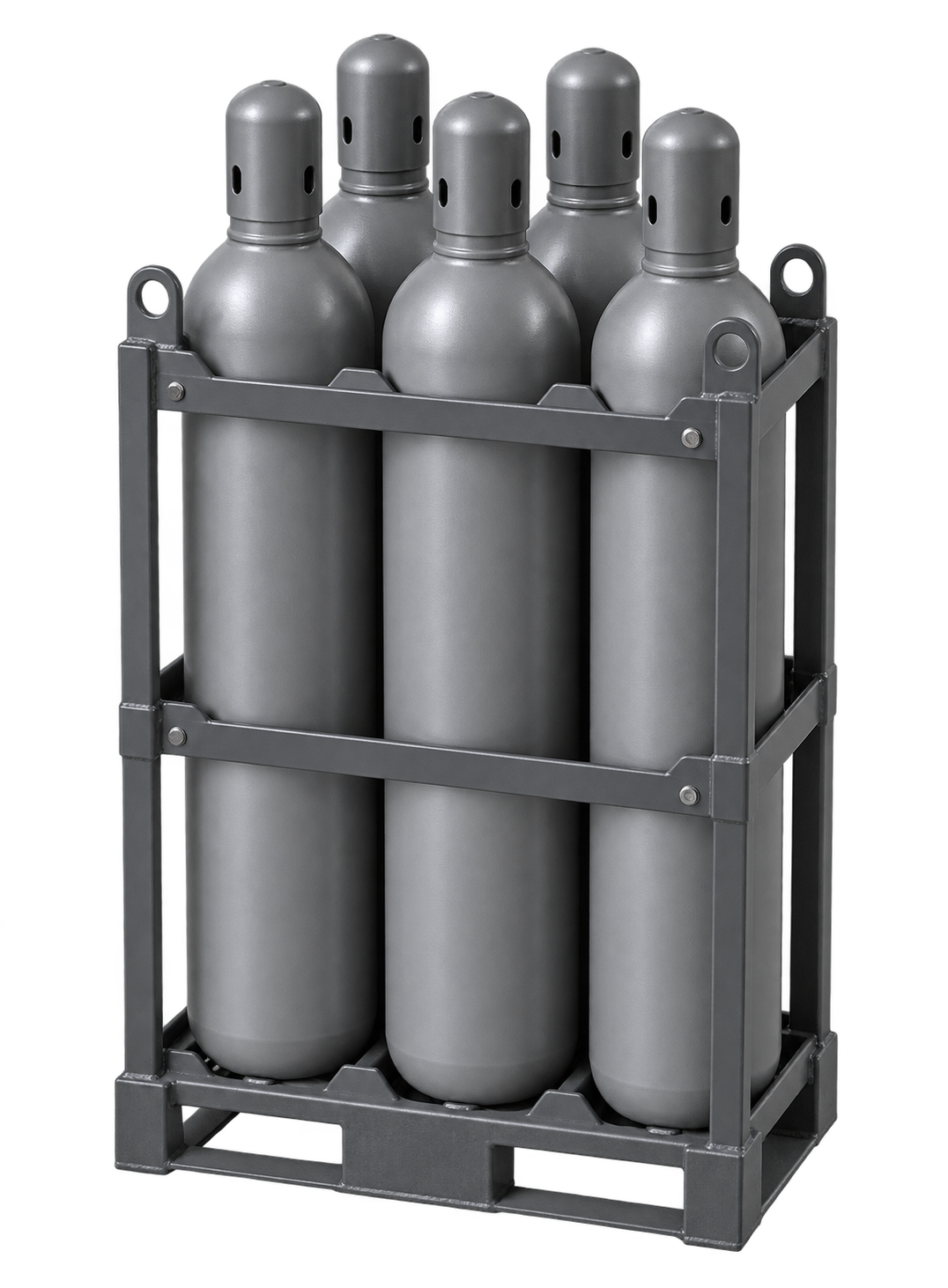
Methyl Chloride
- CAS No.
- 74-87-3
Methyl Chloride, CAS 74-87-3. Source-derived identification, physical data and applications are provided for catalogue reference; request the current specification, COA and SDS for the…
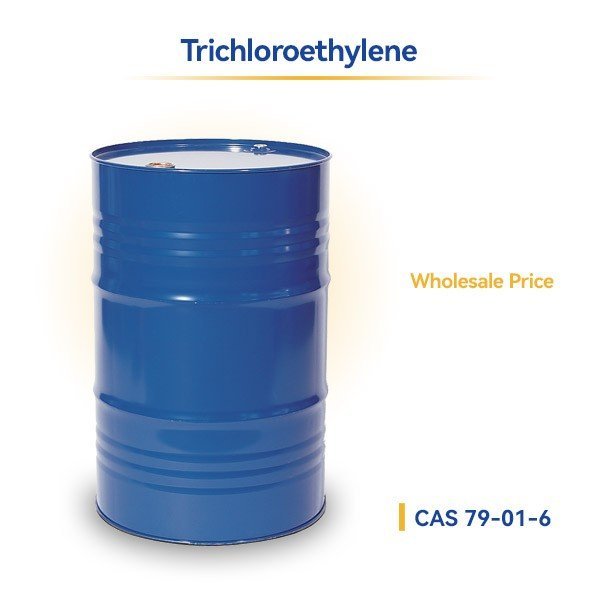
Trichloroethylene
- CAS No.
- 79-01-6
Trichloroethylene, CAS 79-01-6. Source-derived identification, physical data and applications are provided for catalogue reference; request the current specification, COA and SDS for the required…
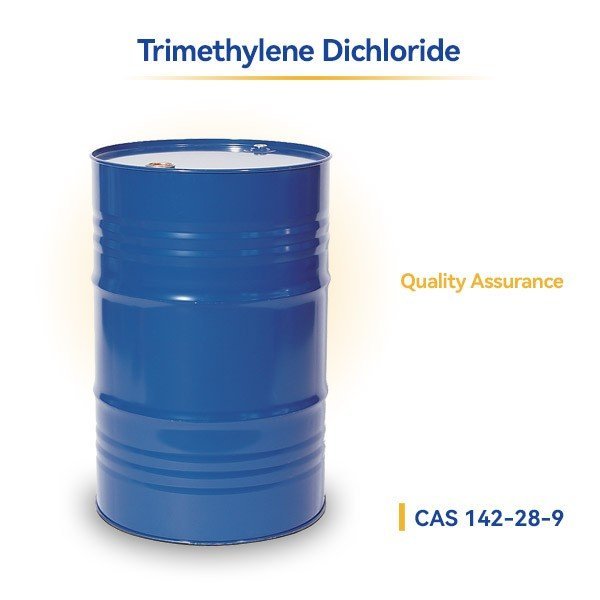
Trimethylene Dichloride
- CAS No.
- 142-28-9
Trimethylene Dichloride, CAS 142-28-9. Source-derived identification, physical data and applications are provided for catalogue reference; request the current specification, COA and SDS for the…
Tetrachloroethylene
- CAS No.
- 127-18-4
Tetrachloroethylene, CAS 127-18-4. Source-derived identification, physical data and applications are provided for catalogue reference; request the current specification, COA and SDS for the required…
Propylene Dichloride
- CAS No.
- 78-87-5
Propylene Dichloride, CAS 78-87-5. Source-derived identification, physical data and applications are provided for catalogue reference; request the current specification, COA and SDS for the…

Methylene Chloride
- CAS No.
- 75-09-2
Methylene Chloride, CAS 75-09-2. Source-derived identification, physical data and applications are provided for catalogue reference; request the current specification, COA and SDS for the…
Ethylene Dichloride
- CAS No.
- 107-06-2
Ethylene Dichloride, CAS 107-06-2. Source-derived identification, physical data and applications are provided for catalogue reference; request the current specification, COA and SDS for the…
Ethylidene Chloride
- CAS No.
- 75-34-3
Ethylidene Chloride, CAS 75-34-3. Source-derived identification, physical data and applications are provided for catalogue reference; request the current specification, COA and SDS for the…