GHS Classification: Flammable Liquid (GHS02), Acute Toxicity (GHS07), Health Hazard (GHS08)
Hazard Statements: Highly flammable liquid and vapor; harmful if swallowed or inhaled; may cause drowsiness or dizziness; suspected of causing cancer.
UN Number: UN 2362
Hazard Class: 3 (Flammable Liquids)
Packing Group: II
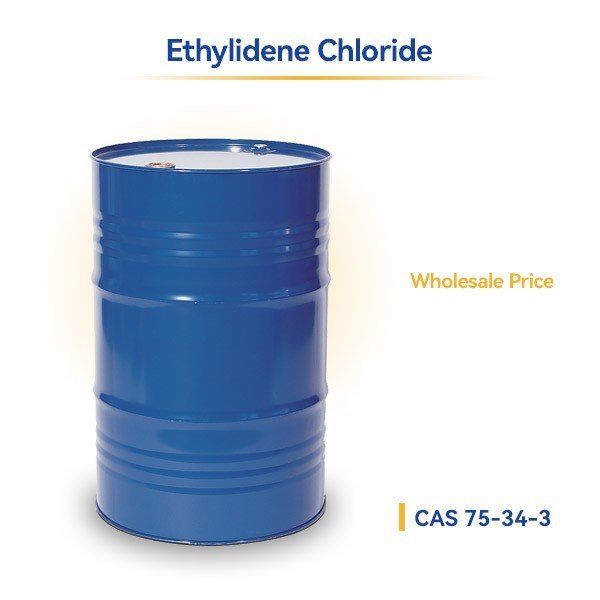
Ethylidene Chloride
GTC-357
Representative packaging
Organic Halides
Ethylidene Chloride
- CAS No.
- 75-34-3
- Catalogue ID
- GTC-357
Ethylidene Chloride, CAS 75-34-3. Source-derived identification, physical data and applications are provided for catalogue reference; request the current specification, COA and SDS for the required grade.
Catalogue aliases / related identifiers
1,1-Dichloroethane; Ethylidene dichloride; 1,1-DCA; Asymmetrical dichloroethane; Dichloromethylmethane; 1,1-Ethylene dichloride
Supplied catalogue source: GTC-357 · Page 24
Reference data — confirm before ordering or use
The information below is a structured migration from the supplied catalogue snapshot. It is not a current product specification, COA or SDS. Confirm the actual supplier, grade, batch documents, classification, packing and destination requirements for your enquiry.
Basic Information of Ethylidene Chloride
| CAS No.: | 75-34-3 |
|---|---|
| EC No.: | 200-863-5 |
| Linear Formula: | C₂H₄Cl₂ |
| Molecular Weight: | 98.96 |
| Appearance: | Transparent Liquid |
| Odor: | Sweet, chloroform-like odor. |
| Melting point: | 57°C |
| Boiling point: | 235℃ |
| Density: | 1.18 g/cm3 |
| Solubility: | Slightly soluble in water; miscible with most organic solvents (e.g., ethanol, ether, acetone). |
| Flash point: | -6°C |
| Nature: | Flammable liquid and vapor, harmful if swallowed or inhaled, irritating to skin and eyes. |
| RIDADR: | UN 2362 3/PG 2 |
| Chemical Structure: | 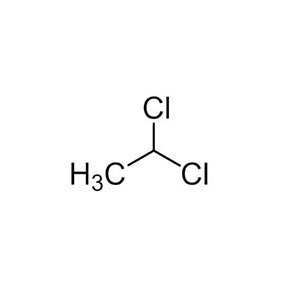 |
Our commitment to delivering high-purity Ethylidene Chloride ensures a reliable and efficient component for your complex manufacturing and synthesis processes.
Primary Applications of Ethylidene Chloride (1,1-Dichloroethane)
Ethylidene Chloride's properties as a solvent, extraction agent, and reactive intermediate make it an incredibly valuable and versatile chemical with applications across numerous sectors:
Industrial Solvent:
It is widely used as a solvent for fats, waxes, resins, and various organic compounds in industries such as coatings, adhesives, and textile processing.
Extraction Agent:
Due to its excellent solvency and volatility, Ethylidene Chloride serves as an effective extraction agent in chemical processes, for example, in the production of oils and fats.
Chemical Intermediate:
It is a crucial intermediate in organic synthesis, used in the production of other chemicals, including 1,1,1-trichloroethane and vinyl chloride (though less common for vinyl chloride than 1,2-dichloroethane).
Cleaning Agent and Degreaser:
Its ability to dissolve greases and oils makes it useful in some specialized cleaning and degreasing applications for metal parts and equipment.
Laboratory Reagent:
Ethylidene Chloride is also employed in laboratory settings as a solvent for various reactions and analytical procedures.
Exceptional Purity & Consistency: Our Ethylidene Chloride is manufactured to stringent purity specifications, critical for maximizing yields in complex syntheses and ensuring consistent quality in your downstream products.
Commitment to Quality & Safety: We adhere to the highest industry standards for quality management, safety, and environmental responsibility across all our operations, ensuring peace of mind for our clients handling this versatile material.
FAQ — Ethylidene Chloride (1,1-Dichloroethane) (CAS 75-34-3)
What is Ethylidene Chloride (1,1-Dichloroethane)?
Ethylidene Chloride, also known as 1,1-Dichloroethane, is a chlorinated hydrocarbon (C2H4Cl2) widely used as a solvent and as an intermediate in chemical synthesis. It is a clear, volatile liquid with a chloroform-like odor.
What are the main applications of Ethylidene Chloride?
It is mainly used as an intermediate in the production of vinylidene chloride (for polymers and resins), as a solvent in organic synthesis, and in small-scale applications such as degreasing or extraction processes.
Is Ethylidene Chloride hazardous?
Yes. It is classified as a flammable liquid and may cause irritation to the eyes, skin, and respiratory tract. Prolonged exposure can affect the central nervous system. Always handle according to the Safety Data Sheet (SDS) and local regulations.
How should Ethylidene Chloride be stored?
Store in a cool, dry, well-ventilated area away from heat and ignition sources. Keep containers tightly closed and segregated from strong oxidizers and incompatible materials. Use explosion-proof equipment where necessary.
What should I do in case of a spill or leak?
Evacuate non-essential personnel, remove ignition sources, and ventilate the area. Absorb small spills with inert, non-combustible material (e.g., vermiculite, dry sand). Collect into labeled hazardous-waste containers. Prevent release into drains and waterways. Refer to the SDS for detailed emergency procedures.
How is Ethylidene Chloride transported?
It is regulated as a hazardous material. Typically assigned UN 2362 (1,1-Dichloroethane), classified under Class 3 (Flammable liquids). Packaging group and other requirements depend on transport regulations (ADR, IMDG, IATA). Always verify with the current SDS and applicable transport codes.
Where can I find detailed safety and regulatory information?
Related Articles
Safety, Storage, and Handling Guidelines for Ethylidene Chloride (CAS 75-34-3)
Ethylidene Chloride vs. Ethylene Dichloride: What’s the Difference?
Applications of Ethylidene Chloride in Industry and Organic Synthesis
How is Ethylidene Chloride (CAS 75-34-3) Produced? Industrial Routes and Laboratory Methods
Ethylidene Chloride: Structure, Physical Properties, and Chemical Behavior
Hazards Classification



Before you order
Confirm the current commercial product record.
Include the required grade or purity, quantity, preferred packing, destination country/port and required document set.
- 01Current specification
- 02Batch or sample COA
- 03Product- and supplier-specific SDS
- 04Packing and shipping review
INQUIRY
Continue browsing
Related Products
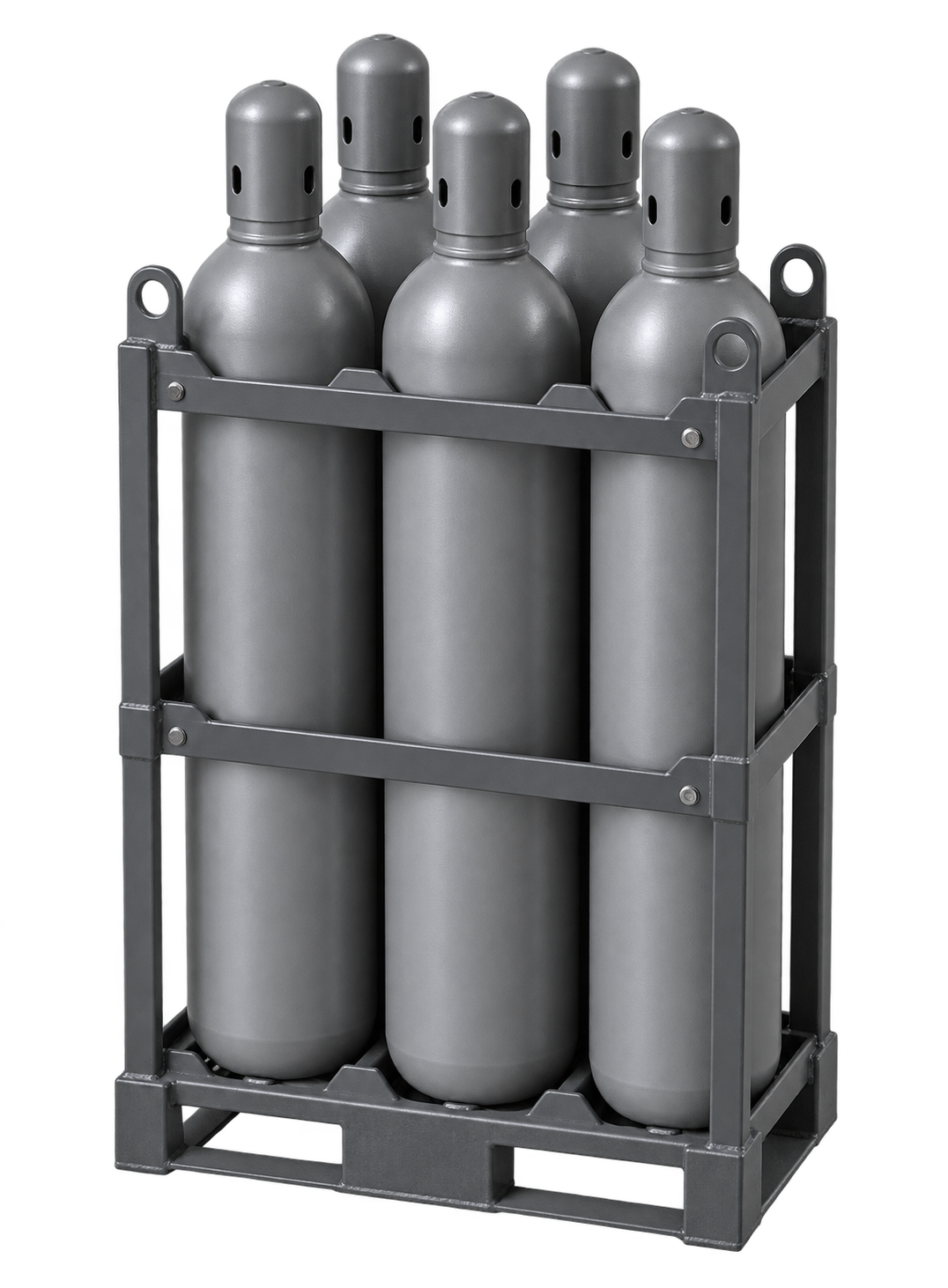
Methyl Chloride
- CAS No.
- 74-87-3
Methyl Chloride, CAS 74-87-3. Source-derived identification, physical data and applications are provided for catalogue reference; request the current specification, COA and SDS for the…
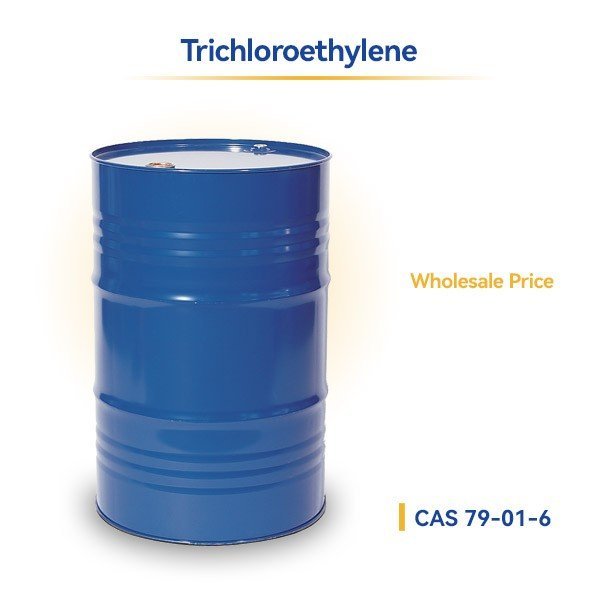
Trichloroethylene
- CAS No.
- 79-01-6
Trichloroethylene, CAS 79-01-6. Source-derived identification, physical data and applications are provided for catalogue reference; request the current specification, COA and SDS for the required…
Trimethylene Dichloride
- CAS No.
- 142-28-9
Trimethylene Dichloride, CAS 142-28-9. Source-derived identification, physical data and applications are provided for catalogue reference; request the current specification, COA and SDS for the…
Tetrachloroethylene
- CAS No.
- 127-18-4
Tetrachloroethylene, CAS 127-18-4. Source-derived identification, physical data and applications are provided for catalogue reference; request the current specification, COA and SDS for the required…
Propylene Dichloride
- CAS No.
- 78-87-5
Propylene Dichloride, CAS 78-87-5. Source-derived identification, physical data and applications are provided for catalogue reference; request the current specification, COA and SDS for the…

Methylene Chloride
- CAS No.
- 75-09-2
Methylene Chloride, CAS 75-09-2. Source-derived identification, physical data and applications are provided for catalogue reference; request the current specification, COA and SDS for the…

Epichlorohydrin
- CAS No.
- 106-89-8
Epichlorohydrin, CAS 106-89-8. Source-derived identification, physical data and applications are provided for catalogue reference; request the current specification, COA and SDS for the required…
Ethylene Dichloride
- CAS No.
- 107-06-2
Ethylene Dichloride, CAS 107-06-2. Source-derived identification, physical data and applications are provided for catalogue reference; request the current specification, COA and SDS for the…