GHS Classification: Flammable Liquid (GHS02), Corrosive (GHS05), Acute Toxicity (GHS06), Health Hazard (GHS08)
Hazard Statements: Highly flammable liquid and vapor; causes severe skin burns and eye damage; harmful if swallowed, in contact with skin, or if inhaled; may cause respiratory irritation.
UN Number: UN 1158
Hazard Class: 3 (Flammable Liquids)
Packing Group: II
Diisopropylamine
GTC-328
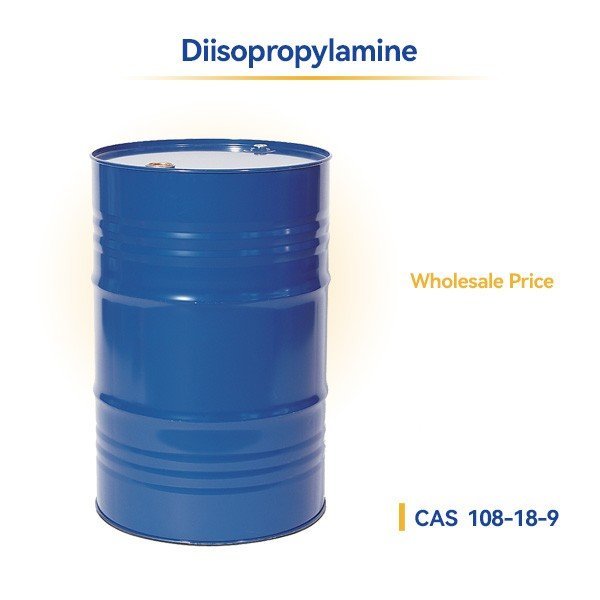
Representative packaging
Amines
Diisopropylamine
- CAS No.
- 108-18-9
- Catalogue ID
- GTC-328
Diisopropylamine, CAS 108-18-9. Source-derived identification, physical data and applications are provided for catalogue reference; request the current specification, COA and SDS for the required grade.
Catalogue aliases / related identifiers
N-(1-Methylethyl)-2-propanamine; DIPA; N,N-Diisopropylamine; Bis(propan-2-yl)amine; Di(propan-2-yl)amine; Isodipropylamine; Diisopropylamin
Supplied catalogue source: GTC-328 · Page 20
Reference data — confirm before ordering or use
The information below is a structured migration from the supplied catalogue snapshot. It is not a current product specification, COA or SDS. Confirm the actual supplier, grade, batch documents, classification, packing and destination requirements for your enquiry.
Diisopropylamine (DIPA) is a secondary aliphatic amine known for its moderate basicity, low nucleophilicity, and excellent compatibility with organic synthesis processes. It serves as a valuable building block and catalyst component across pharmaceutical, agrochemical, and fine-chemical manufacturing.
Basic Information of Diisopropylamine
| CAS No.: | 108-18-9 |
|---|---|
| EC No.: | 203-558-5 |
| Linear Formula: | C6H15N |
| Molecular Weight: | 101.19 |
| Appearance: | Colorless to pale yellow transparent liquid |
| Odor: | Amine. |
| Melting Point: | -61 °C (lit.) |
| Boiling Point: | ~83–85°C |
| Density: | ~0.72 g/cm³ |
| Solubility: | Miscible with organic solvents; limited solubility in water |
| Flash Point: | 1.4 °F |
| RIDADR: | UN 1158 3/PG 2 |
| Chemical Structure: | 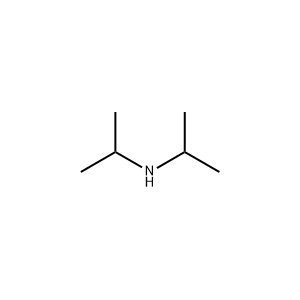 |
Application Overview
Diisopropylamine is widely applied in industrial and laboratory synthesis due to its steric hindrance, reduced reactivity compared to primary amines, and suitability for non-nucleophilic base applications. Its major uses include:
Pharmaceutical Synthesis: Key intermediate for APIs, peptide coupling reagents, and protective-group chemistry.
Non-Nucleophilic Base Reactions: Often converted to lithium diisopropylamide (LDA), a standard strong base in organometallic chemistry.
Agrochemical Manufacturing: Precursor for pesticide intermediates, herbicide building blocks, and selective crop-protection agents.
Catalyst and Processing Aid: Utilized in catalytic systems requiring controlled basicity and limited nucleophilicity.
Fine Chemical Intermediates: Supports synthesis of specialty solvents, stabilizers, and advanced organic materials.
Polymer and Resin Processing: Applied in producing curing agents, performance modifiers, and functional polymer intermediates.
Electronic Chemicals: Suitable for precision synthesis steps within semiconductor and microelectronics materials.
Process-Driven Quality Assurance: Our automated purification and distillation systems ensure narrow impurity profiles, ideal for high-specification chemical processes.
Stability in Long-Term Contracts: Multi-region production capabilities and secure raw-material partnerships ensure reliable long-term delivery.
Custom Solution Options: Tailored purity grades, low-water specifications, and specialized packaging formats are available upon request.
Global Support Network: Regional distribution centers and responsive logistics teams provide efficient fulfillment and responsive after-sales service.
Hazards Classification




Before you order
Confirm the current commercial product record.
Include the required grade or purity, quantity, preferred packing, destination country/port and required document set.
- 01Current specification
- 02Batch or sample COA
- 03Product- and supplier-specific SDS
- 04Packing and shipping review
INQUIRY
Continue browsing
Related Products
Triisobutylamine
- CAS No.
- 1116-40-1
Triisobutylamine, CAS 1116-40-1. Source-derived identification, physical data and applications are provided for catalogue reference; request the current specification, COA and SDS for the required…
Diethanolamine
- CAS No.
- 111-42-2
Diethanolamine, CAS 111-42-2. Source-derived identification, physical data and applications are provided for catalogue reference; request the current specification, COA and SDS for the required…

Trimethylamine (Anhydrous)
- CAS No.
- 75-50-3
Trimethylamine (Anhydrous), CAS 75-50-3. Source-derived identification, physical data and applications are provided for catalogue reference; request the current specification, COA and SDS for the…
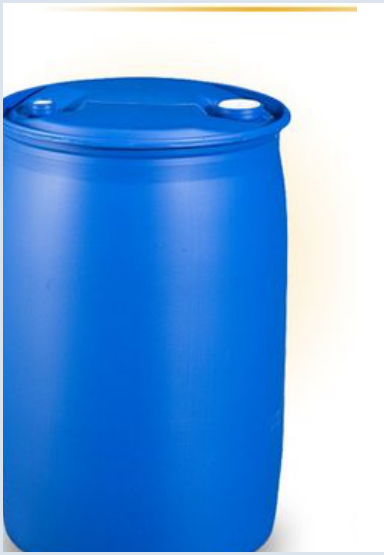
2-Aminoethanol (Monoethanolamine)
- CAS No.
- 141-43-5
2-Aminoethanol (Monoethanolamine), CAS 141-43-5. Source-derived identification, physical data and applications are provided for catalogue reference; request the current specification, COA and SDS for the…
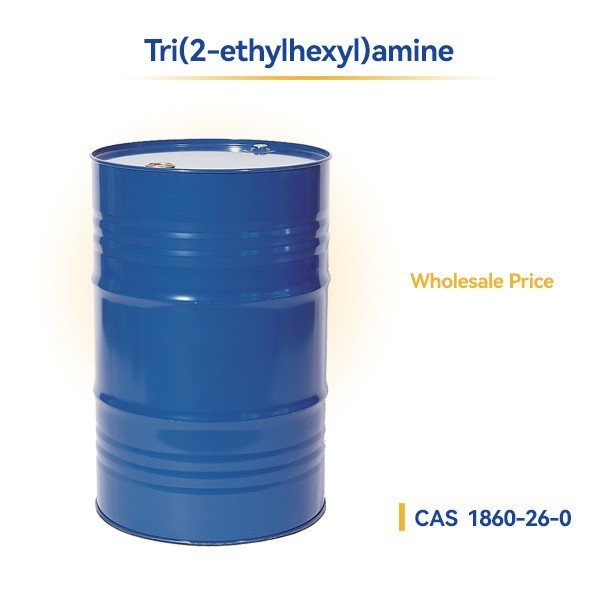
Tri(2-ethylhexyl)amine
- CAS No.
- 1860-26-0
Tri(2-ethylhexyl)amine, CAS 1860-26-0. Source-derived identification, physical data and applications are provided for catalogue reference; request the current specification, COA and SDS for the required…

Triallylamine
- CAS No.
- 102-70-5
Triallylamine, CAS 102-70-5. Source-derived identification, physical data and applications are provided for catalogue reference; request the current specification, COA and SDS for the required…
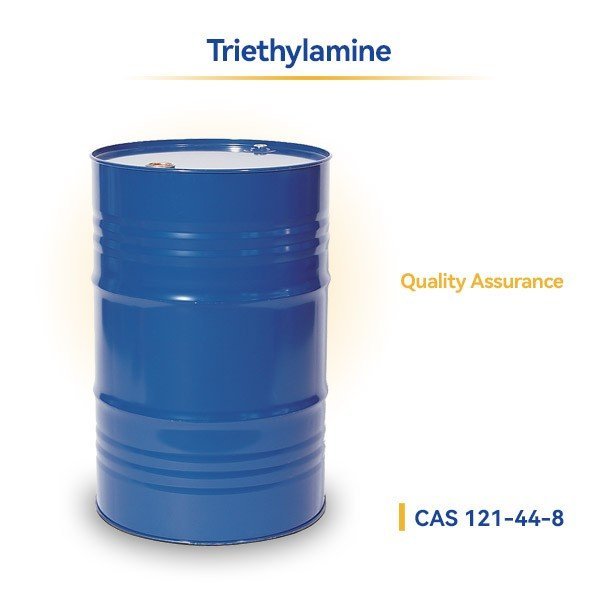
Triethylamine
- CAS No.
- 121-44-8
Triethylamine, CAS 121-44-8. Source-derived identification, physical data and applications are provided for catalogue reference; request the current specification, COA and SDS for the required…

Tripentylamine
- CAS No.
- 621-77-2
Tripentylamine, CAS 621-77-2. Source-derived identification, physical data and applications are provided for catalogue reference; request the current specification, COA and SDS for the required…