GHS Classification: Flammable Liquid (GHS02), Specific Target Organ Toxicity – Single Exposure (GHS07)
Hazard Statements: Flammable liquid and vapour; May cause respiratory irritation.
UN Number: UN 1157
Hazard Class: 3 (Flammable Liquids)
Packing Group: III
Diisobutyl Ketono
GTC-325
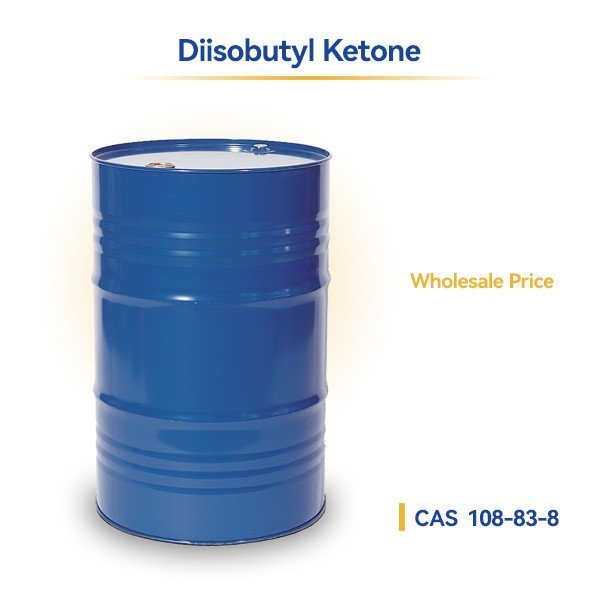
Representative packaging
Ketones
Diisobutyl Ketono
- CAS No.
- 108-83-8
- Catalogue ID
- GTC-325
Diisobutyl Ketono, CAS 108-83-8. Source-derived identification, physical data and applications are provided for catalogue reference; request the current specification, COA and SDS for the required grade.
Catalogue aliases / related identifiers
DIBK; 2,6-Dimethyl-4-heptanone; Heptanone, 2,6-dimethyl-; 4-Heptanone, 2,6-dimethyl-; Isobutyl isopropyl ketone; Methyl isobutyl carbinyl ketone; Ketoisooctane; Octan-4-one, 2,6-dimethyl-
Supplied catalogue source: GTC-325 · Page 20
Reference data — confirm before ordering or use
The information below is a structured migration from the supplied catalogue snapshot. It is not a current product specification, COA or SDS. Confirm the actual supplier, grade, batch documents, classification, packing and destination requirements for your enquiry.
Diisobutyl Ketone (DIBK), CAS 108-83-8, is a colorless, stable, and high-purity solvent characterized by its slow evaporation rate and high solvency power. It possesses a mild, slightly sweet, and characteristic oily ketone odor. DIBK is a high-boiling ketone, making it an essential component in coatings and inks where a prolonged flow time and blush resistance are required. Its strong dissolving capability for a wide range of natural and synthetic resins, particularly nitrocellulose and vinyl polymers, makes it a premium industrial solvent.
Basic Information of DIBK
| CAS No.: | 108-83-8 |
|---|---|
| EC No.: | 203-620-1 |
| Linear Formula: | C9H18O |
| Molecular Weight: | 142.24 |
| Appearance: | Colorless, clear liquid |
| Odor: | Mild, sweet, oily ketone odor |
| Melting Point: | -46 °C |
| Boiling Point: | 165-170 °C(lit.) |
| Density: | 0.808 g/mL at 25 °C(lit.) |
| Solubility: | Very slightly soluble in water; miscible with most organic solvents. |
| Flash Point: | 120 °F |
| RIDADR: | UN 1157 3/PG 3 |
| Chemical Structure: | 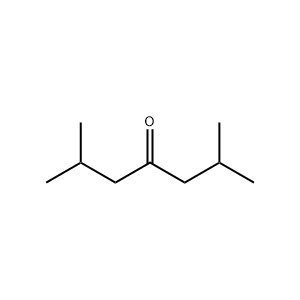 |
Application Overview
DIBK's slow evaporation rate and powerful solvency profile make it highly desirable for industrial processes requiring controlled drying and high resin load capacity:
Automotive and Industrial Coatings: It is widely used in high-performance automotive finishes, coil coatings, and specialized protective paints. Its slow evaporation rate prevents bubbles and "blushing" (whitening) in the film, ensuring a smooth, glossy, and high-quality finish.
Printing Inks: Used as a solvent for high-speed printing inks, particularly those based on vinyl and polyurethane resins. DIBK controls the viscosity and ensures proper flow and adherence to the substrate.
Extraction Solvent: Due to its limited miscibility with water, DIBK is an effective liquid-liquid extraction solvent used in various chemical processes, including the purification of antibiotics, hormones, and other high-value organic compounds.
Cleaning and Degreasing: Employed as a high-strength solvent for industrial cleaning and degreasing of process equipment, particularly for removing highly polymerized resins and tough residues.
Adhesives and Sealants: It acts as a solvent in the formulation of various adhesives and cementing compounds, offering controlled drying and superior dissolving power for polymer bases.
Superior Isomer Purity: We utilize an optimized synthesis route that yields high purity DIBK, with rigorous control over the main isomer. This consistency ensures predictable, repeatable performance in complex coating and ink formulations, preventing unexpected changes in drying time or film quality.
Certified Low Non-Volatile Residue (NVR): Our DIBK is guaranteed to have near-zero NVR, verified by stringent internal quality protocols. This makes it ideal for highly sensitive applications, such as electronics, precision cleaning, and pharmaceutical extraction, where any residue is detrimental.
Hazards Classification


Before you order
Confirm the current commercial product record.
Include the required grade or purity, quantity, preferred packing, destination country/port and required document set.
- 01Current specification
- 02Batch or sample COA
- 03Product- and supplier-specific SDS
- 04Packing and shipping review
INQUIRY
Continue browsing
Related Products
Diacetone Alcohol
- CAS No.
- 123-42-2
Diacetone Alcohol, CAS 123-42-2. Source-derived identification, physical data and applications are provided for catalogue reference; request the current specification, COA and SDS for the…
Methyl Isoamyl Ketone
- CAS No.
- 110-12-3
Methyl Isoamyl Ketone, CAS 110-12-3. Source-derived identification, physical data and applications are provided for catalogue reference; request the current specification, COA and SDS for…
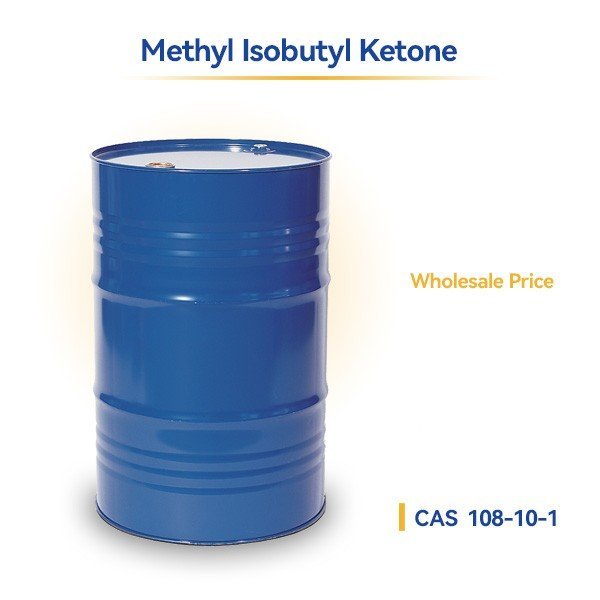
Methyl isobutyl ketone (MIBK)
- CAS No.
- 108-10-1
Methyl isobutyl ketone (MIBK), CAS 108-10-1. Source-derived identification, physical data and applications are provided for catalogue reference; request the current specification, COA and SDS…
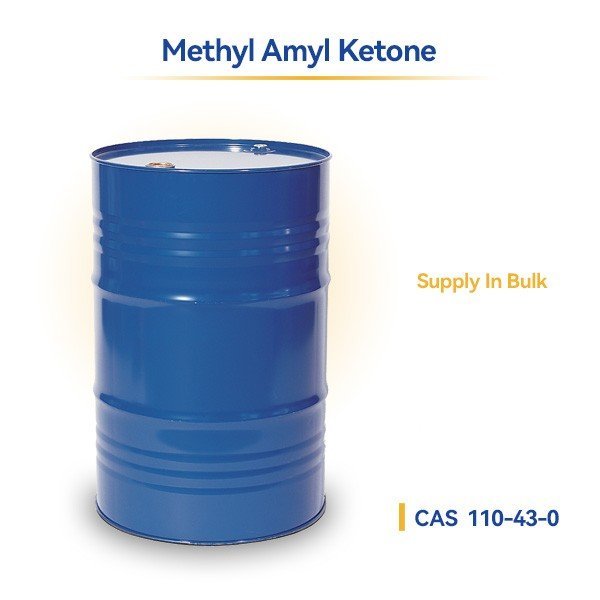
Methyl Amyl Ketone
- CAS No.
- 110-43-0
Methyl Amyl Ketone, CAS 110-43-0. Source-derived identification, physical data and applications are provided for catalogue reference; request the current specification, COA and SDS for…
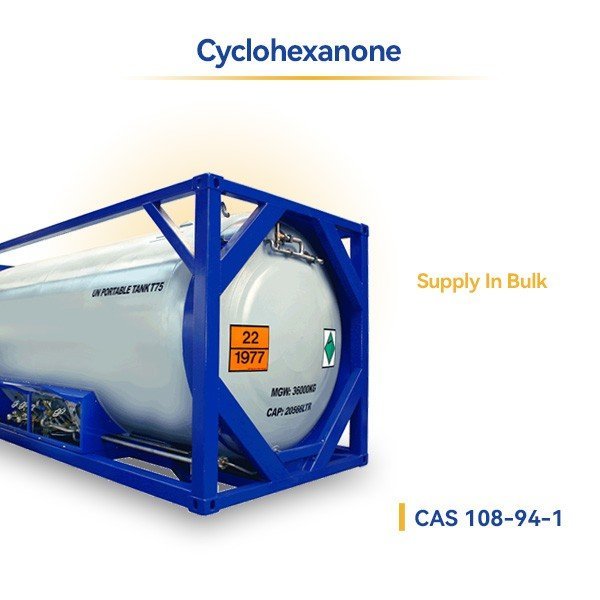
Cyclohexanone
- CAS No.
- 108-94-1
Cyclohexanone, CAS 108-94-1. Source-derived identification, physical data and applications are provided for catalogue reference; request the current specification, COA and SDS for the required…