GHS Classification: Skin Corrosion (GHS05), Serious Eye Damage (GHS05), Acute Toxicity, Oral (GHS07)
Hazard Statements: Causes severe skin burns and eye damage; harmful if swallowed.
UN Number: UN 3055
Hazard Class: 8 (Corrosive substances)
Packing Group: III
Diglycolamine
GTC-321
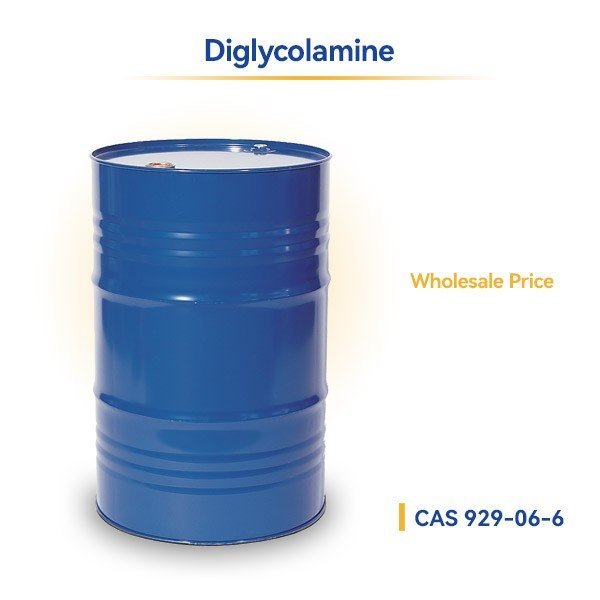
Representative packaging
Amines
Diglycolamine
- CAS No.
- 929-06-6
- Catalogue ID
- GTC-321
Diglycolamine, CAS 929-06-6. Source-derived identification, physical data and applications are provided for catalogue reference; request the current specification, COA and SDS for the required grade.
Catalogue aliases / related identifiers
DGA; 2-(2-Aminoethoxy)ethanol; Ethanol, 2-(2-aminoethoxy)-; Diethylene glycol monoamine; 2-(2-Hydroxyethoxy)ethylamine; Aminoethoxyethanol; Diethylene glycol amine
Supplied catalogue source: GTC-321 · Page 19
Reference data — confirm before ordering or use
The information below is a structured migration from the supplied catalogue snapshot. It is not a current product specification, COA or SDS. Confirm the actual supplier, grade, batch documents, classification, packing and destination requirements for your enquiry.
Basic Information of Diglycolamine
| CAS No.: | 929-06-6 |
|---|---|
| EC No.: | 213-195-4 |
| Linear Formula: | HOCH₂CH₂OCH₂CH₂NH₂ |
| Molecular Weight: | 105.14 |
| Appearance: | Clear, colorless to slightly yellow viscous liquid. |
| Odor: | Mild amine-like odor. |
| Melting point: | -12.5 °C |
| Boiling point: | 218-224 °C(lit.) |
| Density: | 1.05 |
| Solubility: | Highly soluble in water and alcohols; slightly soluble in hydrocarbons. |
| Flash point: | >230 °F |
| Nature: | Hygroscopic, amine, alcohol. |
| RIDADR: | UN 3055 8/PG 3 |
| Chemical Structure: | 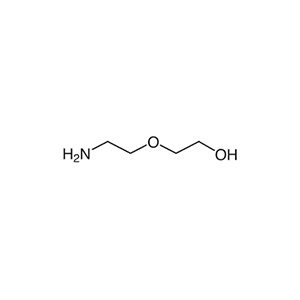 |
Our commitment to delivering high-purity Diglycolamine ensures a reliable and efficient component for your critical industrial processes.
Primary Applications of Diglycolamine (DGA)
Diglycolamine's dual functionality makes it an indispensable chemical in a variety of important industrial applications:
Gas Sweetening (Acid Gas Removal):
DGA is widely used in the removal of acid gases such as hydrogen sulfide (H₂S) and carbon dioxide (CO₂) from natural gas, synthesis gas, and other gas streams. Its ability to selectively absorb these gases makes it a crucial component in gas purification processes, ensuring pipeline quality and preventing corrosion.
Polyurethane Chemistry:
DGA acts as an effective chain extender in the synthesis of polyurethane elastomers, adhesives, and coatings. It contributes to the flexibility, toughness, and other desirable properties of the final polyurethane product.
Chemical Intermediate:
The amine and hydroxyl groups of DGA undergo various chemical reactions, making it a valuable intermediate for the synthesis of other specialty chemicals, including surfactants, emulsifiers, and corrosion inhibitors.
Solvent and Stabilizer:
In some specific applications, DGA can be used as a polar solvent or as a stabilizer in certain formulations.
Exceptional Purity & Performance: Our Diglycolamine is manufactured to stringent purity specifications, ensuring optimal performance in your critical gas treatment and polyurethane synthesis processes.
Commitment to Quality & Safety: We adhere to the highest industry standards for quality management, safety, and environmental responsibility across all our operations, ensuring peace of mind for our clients.
Related Articles
Hazards Classification


Before you order
Confirm the current commercial product record.
Include the required grade or purity, quantity, preferred packing, destination country/port and required document set.
- 01Current specification
- 02Batch or sample COA
- 03Product- and supplier-specific SDS
- 04Packing and shipping review
INQUIRY
Continue browsing
Related Products
Triisobutylamine
- CAS No.
- 1116-40-1
Triisobutylamine, CAS 1116-40-1. Source-derived identification, physical data and applications are provided for catalogue reference; request the current specification, COA and SDS for the required…
Diethanolamine
- CAS No.
- 111-42-2
Diethanolamine, CAS 111-42-2. Source-derived identification, physical data and applications are provided for catalogue reference; request the current specification, COA and SDS for the required…

Trimethylamine (Anhydrous)
- CAS No.
- 75-50-3
Trimethylamine (Anhydrous), CAS 75-50-3. Source-derived identification, physical data and applications are provided for catalogue reference; request the current specification, COA and SDS for the…
2-Aminoethanol (Monoethanolamine)
- CAS No.
- 141-43-5
2-Aminoethanol (Monoethanolamine), CAS 141-43-5. Source-derived identification, physical data and applications are provided for catalogue reference; request the current specification, COA and SDS for the…
Tri(2-ethylhexyl)amine
- CAS No.
- 1860-26-0
Tri(2-ethylhexyl)amine, CAS 1860-26-0. Source-derived identification, physical data and applications are provided for catalogue reference; request the current specification, COA and SDS for the required…

Triallylamine
- CAS No.
- 102-70-5
Triallylamine, CAS 102-70-5. Source-derived identification, physical data and applications are provided for catalogue reference; request the current specification, COA and SDS for the required…
Triethylamine
- CAS No.
- 121-44-8
Triethylamine, CAS 121-44-8. Source-derived identification, physical data and applications are provided for catalogue reference; request the current specification, COA and SDS for the required…

Tripentylamine
- CAS No.
- 621-77-2
Tripentylamine, CAS 621-77-2. Source-derived identification, physical data and applications are provided for catalogue reference; request the current specification, COA and SDS for the required…