GHS Classification: Acute Toxicity (GHS06), Corrosive (GHS05), Health Hazard (GHS08)
Hazard Statements: Toxic if swallowed, in contact with skin or if inhaled; causes severe skin burns and eye damage; may cause damage to organs through prolonged or repeated exposure.
UN Number: UN 2505
Hazard Class: 6.1 (Toxic Substances)
Packing Group: III
Ammonium Fluoride
GTC-219
Packaging
Packaging to be confirmed
Inorganic Salts
Ammonium Fluoride
- CAS No.
- 12125-01-8
- Catalogue ID
- GTC-219
Ammonium Fluoride, CAS 12125-01-8. Source-derived identification, physical data and applications are provided for catalogue reference; request the current specification, COA and SDS for the required grade.
Catalogue aliases / related identifiers
Neutral ammonium fluoride; Ammonia Hydrofluoride; Azanium fluoride; Fluorure d'ammonium; Fluoruro amonico; Fluorek amonowy; NH4F
Supplied catalogue source: GTC-219 · Page 44
Reference data — confirm before ordering or use
The information below is a structured migration from the supplied catalogue snapshot. It is not a current product specification, COA or SDS. Confirm the actual supplier, grade, batch documents, classification, packing and destination requirements for your enquiry.
Basic Information of Ammonium Fluoride
| CAS No.: | 12125-01-8 |
|---|---|
| EC No.: | 235-185-9 |
| Linear Formula: | NH₄F |
| Molecular Weight: | 37.04 |
| Appearance: | Colorless, deliquescent crystals or white powder. |
| Melting point: | 98°C |
| Boiling point: | 65°C/760mmHg |
| Density: | 1.11 g/mL at 20 °C |
| Solubility: | Highly soluble in water. Soluble in alcohol. |
| Nature: | Corrosive. Harmful if swallowed or inhaled. Reacts with glass and silicates. |
| RIDADR: | UN 2505 6.1/PG 3 |
| Chemical Structure: | 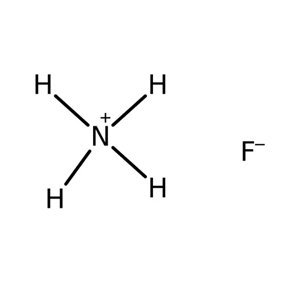 |
Our commitment to delivering high-purity Ammonium Fluoride ensures a reliable and efficient component for your critical processes.
Primary Applications of Ammonium Fluoride (NH₄F)
Ammonium Fluoride's unique chemical properties, particularly its reactivity with silicon compounds and its role as a fluorine source, make it an incredibly valuable and versatile compound with applications across numerous industries:
Glass Etching and Frosting:
One of its most well-known uses is in glass etching and frosting, particularly in the production of frosted light bulbs, decorative glass, and electronic components. It reacts with silica in glass to create a matte or etched finish.
Wood Preservation:
Ammonium Fluoride is used as a wood preservative to protect timber from fungi, insects, and other biological decay, extending the lifespan of wood products.
Textile and Dyeing Industry:
In the textile industry, it serves as a mordant in dyeing and printing, helping to fix dyes to fabrics. It can also be used in some flame-retardant treatments for textiles.
Cleaning Agent:
It is employed as a cleaning agent for various materials, including stainless steel, ceramics, and some masonry, to remove stains, rust, and scale. It's often found in specialized industrial cleaners.
Chemical Reagent and Intermediate:
Ammonium Fluoride acts as a chemical reagent in various laboratory and industrial syntheses, and as an intermediate in the production of other fluoride compounds.
Metallurgy:
In certain metallurgical processes, it can be used as a flux or for surface treatment of metals.
Exceptional Purity & Consistency: Our Ammonium Fluoride is manufactured to stringent purity specifications, critical for achieving desired results in sensitive applications like glass etching and ensuring consistent performance in industrial processes.
Commitment to Quality & Safety: We adhere to the highest industry standards for quality management, safety, and environmental responsibility across all our operations, ensuring peace of mind for our clients.
Hazards Classification



Before you order
Confirm the current commercial product record.
Include the required grade or purity, quantity, preferred packing, destination country/port and required document set.
- 01Current specification
- 02Batch or sample COA
- 03Product- and supplier-specific SDS
- 04Packing and shipping review
INQUIRY
Continue browsing
Related Products
Sodium Hypochlorite Solution (>5% Available Chlorine)
- CAS No.
- 7681-52-9
Sodium Hypochlorite Solution (>5% Available Chlorine), CAS 7681-52-9. Source-derived identification, physical data and applications are provided for catalogue reference; request the current specification, COA…
Sodium Dithionite
- CAS No.
- 7775-14-6
Sodium Dithionite, CAS 7775-14-6. Source-derived identification, physical data and applications are provided for catalogue reference; request the current specification, COA and SDS for the…
Zirconium Oxychloride Octahydrate
- CAS No.
- 13520-92-8
Zirconium Oxychloride Octahydrate, CAS 13520-92-8. Source-derived identification, physical data and applications are provided for catalogue reference; request the current specification, COA and SDS for…
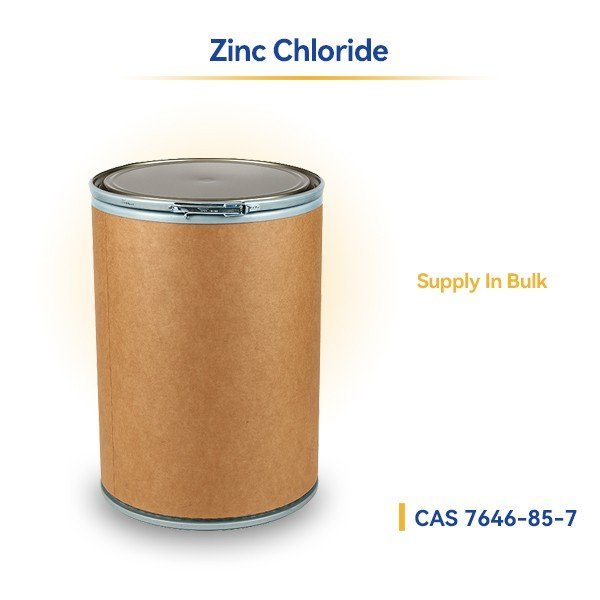
Zinc Chloride
- CAS No.
- 7646-85-7
Zinc Chloride, CAS 7646-85-7. Source-derived identification, physical data and applications are provided for catalogue reference; request the current specification, COA and SDS for the…
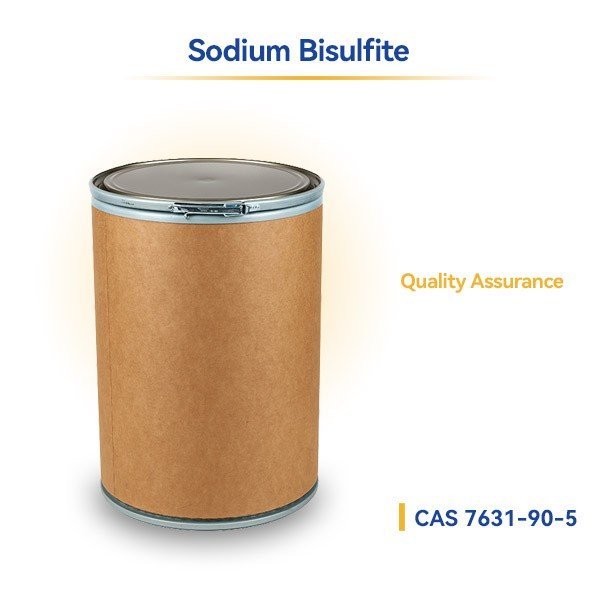
Sodium Bisulfite
- CAS No.
- 7631-90-5
Sodium Bisulfite, CAS 7631-90-5. Source-derived identification, physical data and applications are provided for catalogue reference; request the current specification, COA and SDS for the…
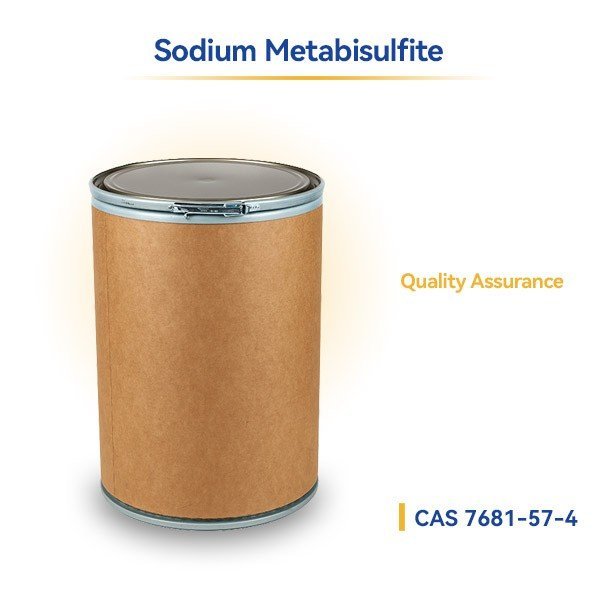
Sodium Metabisulfite
- CAS No.
- 7681-57-4
Sodium Metabisulfite, CAS 7681-57-4. Source-derived identification, physical data and applications are provided for catalogue reference; request the current specification, COA and SDS for the…
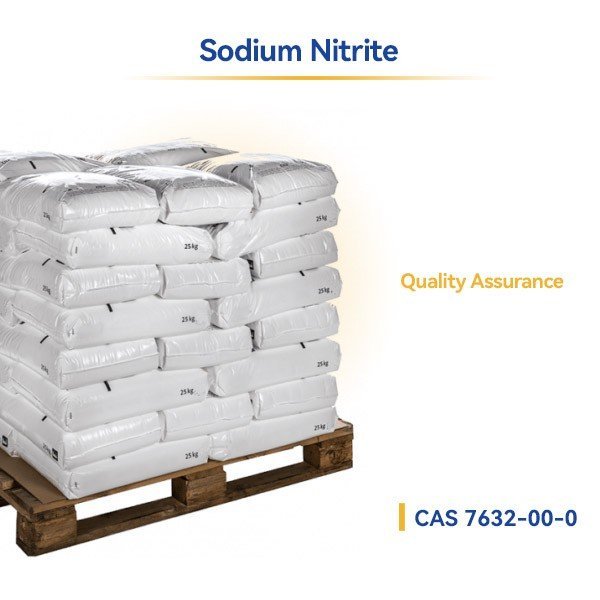
Sodium Nitrite
- CAS No.
- 7632-00-0
Sodium Nitrite, CAS 7632-00-0. Source-derived identification, physical data and applications are provided for catalogue reference; request the current specification, COA and SDS for the…
Sodium Thiosulfate Pentahydrate
- CAS No.
- 10102-17-7
Sodium Thiosulfate Pentahydrate, CAS 10102-17-7. Source-derived identification, physical data and applications are provided for catalogue reference; request the current specification, COA and SDS for…