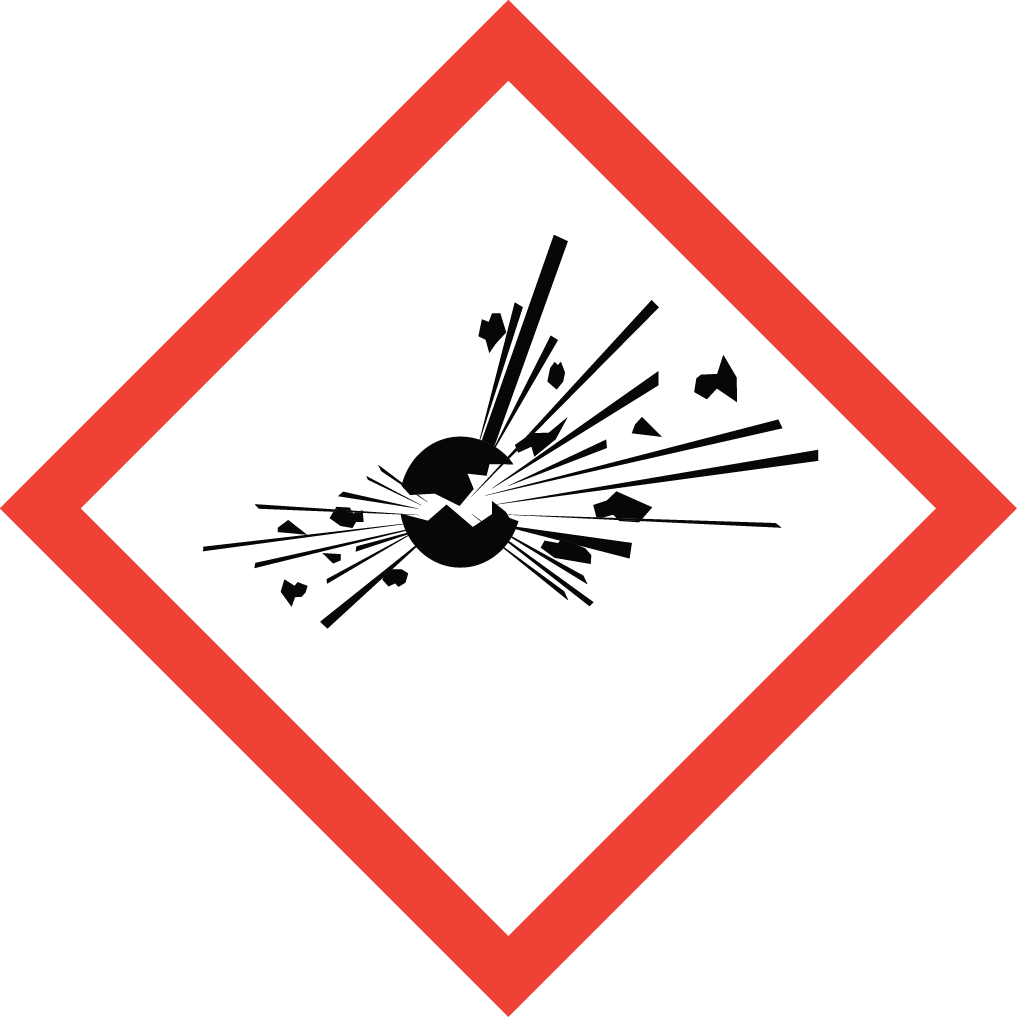
GHS Classification: Acute Toxicity (GHS06), Skin Corrosion/Irritation (GHS07), Self-Reactive Substances (GHS01)
Hazard Statements: Harmful if swallowed; causes skin irritation and serious eye irritation; may cause fire or explosion, strong reducing agent.
UN Number: UN 3341
Hazard Class: 4.2 (Spontaneously Combustible)
Packing Group: II
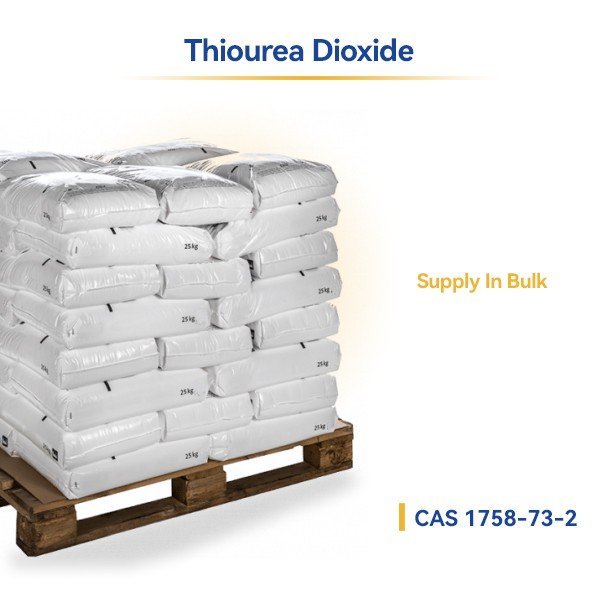
Thiourea Dioxide
GTC-647
Representative packaging
Sulfur Compounds
Thiourea Dioxide
- CAS No.
- 1758-73-2
- Catalogue ID
- GTC-647
Thiourea Dioxide, CAS 1758-73-2. Source-derived identification, physical data and applications are provided for catalogue reference; request the current specification, COA and SDS for the required grade.
Catalogue aliases / related identifiers
Formamidinesulfinic acid; Aminoiminomethanesulfinic acid; Thioure Dioxide; TDO; FAS; Thiourea S,S-dioxide; Thioureylene dioxide
Supplied catalogue source: GTC-647 · Page 40
Reference data — confirm before ordering or use
The information below is a structured migration from the supplied catalogue snapshot. It is not a current product specification, COA or SDS. Confirm the actual supplier, grade, batch documents, classification, packing and destination requirements for your enquiry.
Basic Information of Thiourea Dioxide
| CAS No.: | 1758-73-2 |
|---|---|
| EC No.: | 217-157-8 |
| Linear Formula: | CH₄N₂O₂S |
| Molecular Weight: | 108.12 |
| Appearance: | White crystalline powder |
| Melting Point: | 124-127 °C (dec.)(lit.) |
| Boiling Point: | 355.3±25.0 °C(Predicted) |
| Density: | 1.68 |
| Solubility: | Moderately soluble in water; sparingly soluble in alcohol. |
| Reducing Power: | Exhibits strong reducing power, particularly in alkaline solutions. |
| Stability: | Relatively stable in dry form. More stable than sodium dithionite in solution. |
| Environmental Profile: | Biodegradable and less polluting compared to sulfur-containing reducing agents, as it primarily decomposes into urea, sulfate, and carbon dioxide. |
| RIDADR: | UN 3341 4.2/PG 2 |
| Chemical Structure: | 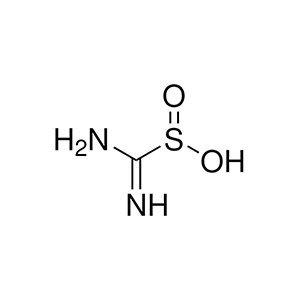 |
Our commitment to delivering high-purity Thiourea Dioxide ensures a reliable and efficient component for your critical processes, offering consistent quality for diverse industrial needs.
Primary Applications of Thiourea Dioxide (TDO)
Thiourea Dioxide's powerful reducing and bleaching capabilities, coupled with its favorable environmental profile, make it an incredibly valuable compound with applications across several industries:
Textile Industry:
It is widely used as a reducing agent in vat dyeing and sulfur dyeing processes, helping to dissolve insoluble dyes and fix them onto fibers. It also serves as a highly effective bleaching agent for wool, silk, and other natural and synthetic fibers, improving whiteness without damaging the fabric. Furthermore, it acts as a desizing agent to remove sizing from fabrics.
Paper Industry:
TDO is a key chemical for deinking waste paper, effectively removing printing inks from recycled pulp to produce brighter, higher-quality recycled paper. It also functions as a bleaching agent for pulp, improving paper whiteness.
Wastewater Treatment:
It is increasingly used in wastewater treatment as a reducing agent to remove heavy metal ions (e.g., chromium, copper), dyes, and other pollutants from industrial effluents. Its ability to reduce hexavalent chromium to trivalent chromium is particularly important for environmental protection.
Chemical Synthesis:
TDO serves as a selective reducing agent in various organic synthesis reactions, particularly in the production of pharmaceuticals, fine chemicals, and agrochemicals where precise reduction is required.
Photography:
In some photographic processes, Thiourea Dioxide can be used as a component in certain developing or toning solutions.
Commitment to Quality & Safety: We adhere to the highest industry standards for quality management, safety, and environmental responsibility across all our operations, ensuring peace of mind for our clients.
Hazards Classification


Before you order
Confirm the current commercial product record.
Include the required grade or purity, quantity, preferred packing, destination country/port and required document set.
- 01Current specification
- 02Batch or sample COA
- 03Product- and supplier-specific SDS
- 04Packing and shipping review
INQUIRY
Continue browsing
Related Products
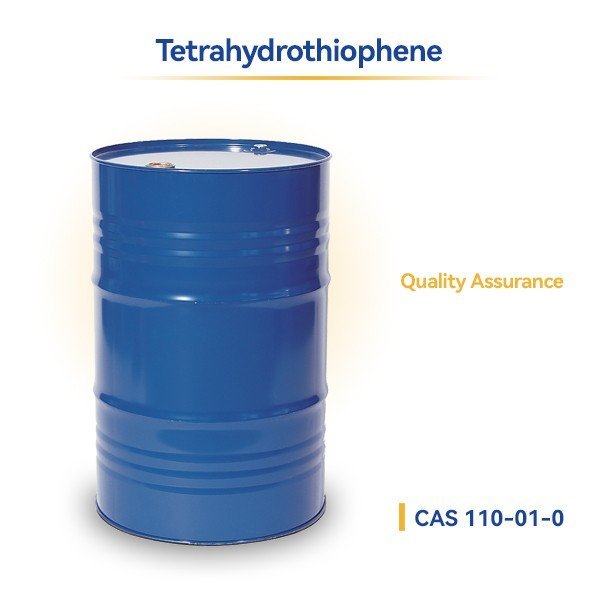
Tetrahydrothiophene
- CAS No.
- 110-01-0
Tetrahydrothiophene, CAS 110-01-0. Source-derived identification, physical data and applications are provided for catalogue reference; request the current specification, COA and SDS for the required…

Diphenyl Sulfide
- CAS No.
- 139-66-2
Diphenyl Sulfide, CAS 139-66-2. Source-derived identification, physical data and applications are provided for catalogue reference; request the current specification, COA and SDS for the…
Dimethyl Disulfide
- CAS No.
- 624-92-0
Dimethyl Disulfide, CAS 624-92-0. Source-derived identification, physical data and applications are provided for catalogue reference; request the current specification, COA and SDS for the…
Dimethyl Sulfide
- CAS No.
- 75-18-3
Dimethyl Sulfide, CAS 75-18-3. Source-derived identification, physical data and applications are provided for catalogue reference; request the current specification, COA and SDS for the…

Carbon Disulfide
- CAS No.
- 75-15-0
Carbon Disulfide, CAS 75-15-0. Source-derived identification, physical data and applications are provided for catalogue reference; request the current specification, COA and SDS for the…
Benzenesulfonyl Chloride
- CAS No.
- 98-09-9
Benzenesulfonyl Chloride, CAS 98-09-9. Source-derived identification, physical data and applications are provided for catalogue reference; request the current specification, COA and SDS for the…