GHS Classification: Flammable Liquid (GHS02), Acute Toxicity (GHS06), Health Hazard (GHS08), Skin Corrosion/Irritation (GHS07)
Hazard Statements: Highly flammable liquid and vapor; toxic if swallowed, in contact with skin, or if inhaled; causes skin irritation; suspected of damaging fertility or the unborn child; causes damage to organs through prolonged or repeated exposure.
UN Number: UN 1131
Hazard Class: 3 (Flammable Liquids)
Packing Group: I
Carbon Disulfide
GTC-270
Representative packaging

Sulfur Compounds
Carbon Disulfide
- CAS No.
- 75-15-0
- Catalogue ID
- GTC-270
Carbon Disulfide, CAS 75-15-0. Source-derived identification, physical data and applications are provided for catalogue reference; request the current specification, COA and SDS for the required grade.
Catalogue aliases / related identifiers
Carbon bisulfide; Carbon sulphide; Dithiocarbonic anhydride; Weevilox; Disulfidocarbon; Schwefelkohlenstoff
Supplied catalogue source: GTC-270 · Page 16
Reference data — confirm before ordering or use
The information below is a structured migration from the supplied catalogue snapshot. It is not a current product specification, COA or SDS. Confirm the actual supplier, grade, batch documents, classification, packing and destination requirements for your enquiry.
Basic Information of Carbon Disulfide
| CAS No.: | 75-15-0 |
|---|---|
| EC No.: | 200-843-6 |
| Linear Formula: | CS₂ |
| Molecular Weight: | 76.14 |
| Odor: | Transparent Liquid |
| Appearance: | Cabbage-like odor |
| Melting Point: | -112--111 °C (lit.) |
| Boiling Point: | 46 °C (lit.) |
| Density: | 1.266 g/mL at 25 °C (lit.) |
| Solubility: | Very slightly soluble in water. Miscible with most organic solvents, including alcohols, ethers, benzene, and chloroform. |
| Flammability | Extremely flammable liquid and vapor, with a very low autoignition temperature. Forms explosive mixtures with air. |
| Toxicity | Highly toxic via inhalation, ingestion, and skin absorption. Requires careful handling and ventilation. |
| RIDADR: | UN 1131 3/PG 1 |
| Chemical Structure: |  |
Our commitment to delivering high-purity Carbon Disulfide ensures a reliable and efficient component for your critical chemical processes, offering consistent quality for diverse industrial needs.
Primary Applications of Carbon Disulfide
Carbon Disulfide's exceptional solvency, reactivity, and sulfur content make it an invaluable compound with diverse applications across several industries:
Manufacturing of Viscose Rayon and Cellophane:
This is one of its largest industrial applications. Carbon Disulfide is a key reagent in the viscose process, where it reacts with cellulose to form cellulose xanthate, which is then spun into rayon fibers or cast into cellophane films.
Solvent:
It is an excellent solvent for nonpolar substances such as sulfur, phosphorus, iodine, fats, waxes, resins, and rubber. This property is utilized in various extraction and purification processes.
Rubber Chemical Production:
It is a vital raw material for synthesizing rubber accelerators (e.g., thiocarbamates, thiurams) and vulcanizing agents, which are essential for improving the properties and processing of rubber.
Pesticide and Agrochemical Synthesis:
Carbon Disulfide is used as an intermediate in the production of various pesticides, fungicides, and herbicides, including dithiocarbamates, contributing to crop protection.
Chemical Intermediate:
It serves as a versatile chemical intermediate in the synthesis of a wide range of organic sulfur compounds, including xanthates, thiocyanates, and various specialty chemicals.
Fumigant:
Historically and in some specific agricultural contexts, Carbon Disulfide has been used as a fumigant for grains and other stored products to control pests. However, due to its flammability and toxicity, its use as a fumigant is highly regulated and often replaced by safer alternatives.
Exceptional Purity & Consistent Quality: Our Carbon Disulfide is manufactured to stringent purity specifications, crucial for ensuring optimal performance in its various industrial applications, from solvent use to complex chemical syntheses.
Commitment to Quality & Safety: We adhere to the highest industry standards for quality management, safety, and environmental responsibility across all our operations, ensuring peace of mind for our clients.
Hazards Classification




Before you order
Confirm the current commercial product record.
Include the required grade or purity, quantity, preferred packing, destination country/port and required document set.
- 01Current specification
- 02Batch or sample COA
- 03Product- and supplier-specific SDS
- 04Packing and shipping review
INQUIRY
Continue browsing
Related Products
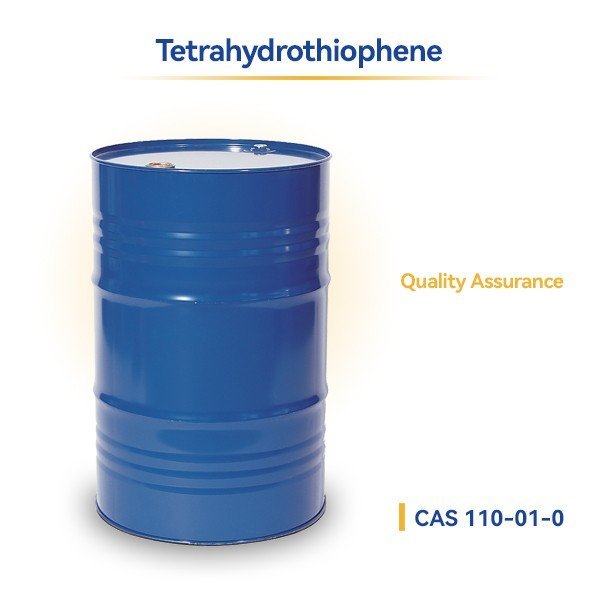
Tetrahydrothiophene
- CAS No.
- 110-01-0
Tetrahydrothiophene, CAS 110-01-0. Source-derived identification, physical data and applications are provided for catalogue reference; request the current specification, COA and SDS for the required…
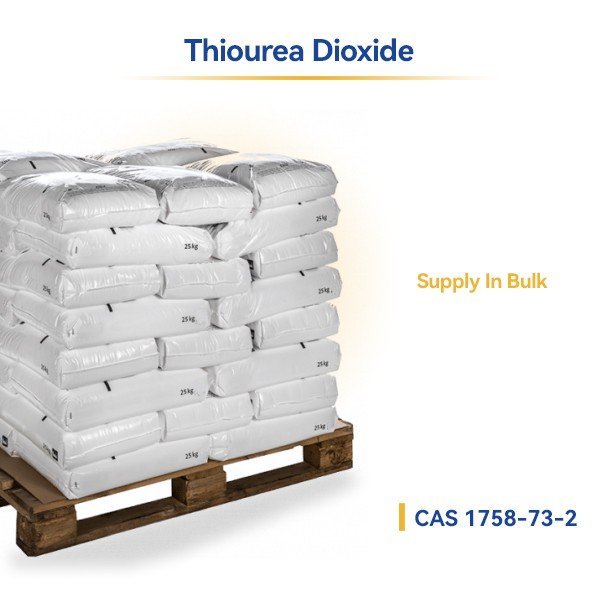
Thiourea Dioxide
- CAS No.
- 1758-73-2
Thiourea Dioxide, CAS 1758-73-2. Source-derived identification, physical data and applications are provided for catalogue reference; request the current specification, COA and SDS for the…

Diphenyl Sulfide
- CAS No.
- 139-66-2
Diphenyl Sulfide, CAS 139-66-2. Source-derived identification, physical data and applications are provided for catalogue reference; request the current specification, COA and SDS for the…
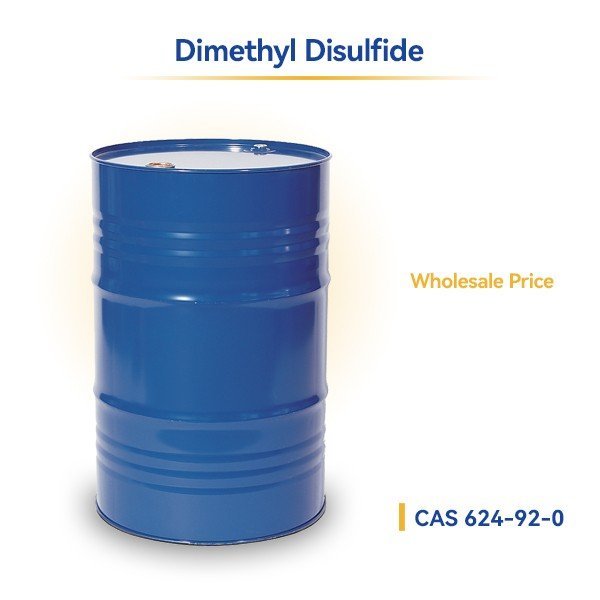
Dimethyl Disulfide
- CAS No.
- 624-92-0
Dimethyl Disulfide, CAS 624-92-0. Source-derived identification, physical data and applications are provided for catalogue reference; request the current specification, COA and SDS for the…
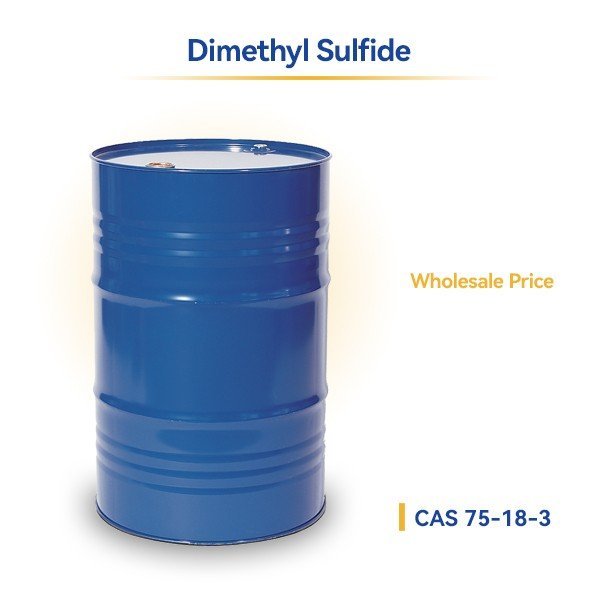
Dimethyl Sulfide
- CAS No.
- 75-18-3
Dimethyl Sulfide, CAS 75-18-3. Source-derived identification, physical data and applications are provided for catalogue reference; request the current specification, COA and SDS for the…
Benzenesulfonyl Chloride
- CAS No.
- 98-09-9
Benzenesulfonyl Chloride, CAS 98-09-9. Source-derived identification, physical data and applications are provided for catalogue reference; request the current specification, COA and SDS for the…