GHS Classification: Flammable Liquid (GHS02), Acute Toxicity (GHS06), Health Hazard (GHS08), Skin Corrosion/Irritation (GHS07)
Hazard Statements: Extremely flammable liquid and vapor; toxic if swallowed, in contact with skin, or if inhaled; causes skin irritation and serious eye irritation; may cause cancer; may cause respiratory irritation.
UN Number: UN 1280
Hazard Class: 3 (Flammable Liquids)
Packing Group: I
Propylene Oxide
GTC-557
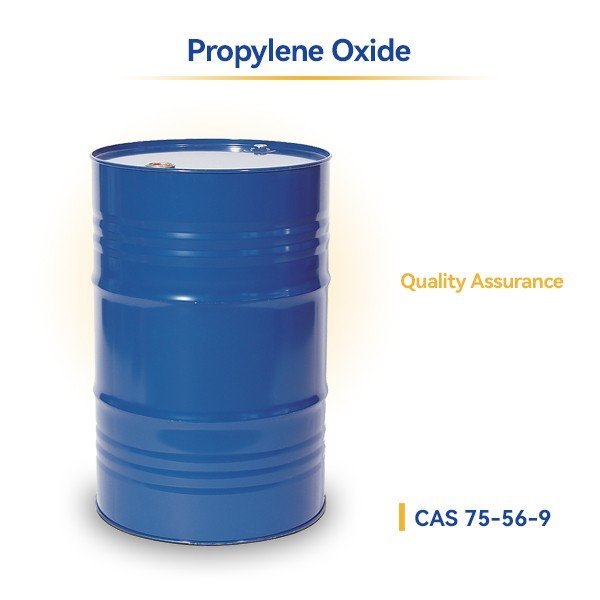
Representative packaging
Other Organic Compounds
Propylene Oxide
- CAS No.
- 75-56-9
- Catalogue ID
- GTC-557
Propylene Oxide, CAS 75-56-9. Source-derived identification, physical data and applications are provided for catalogue reference; request the current specification, COA and SDS for the required grade.
Catalogue aliases / related identifiers
1,2-Epoxypropane; Methyl ethylene oxide; Methyloxirane; Propene oxide; Propylene epoxide; 2-Methyloxiran; Oxyde de propylene
Supplied catalogue source: GTC-557 · Page 37
Reference data — confirm before ordering or use
The information below is a structured migration from the supplied catalogue snapshot. It is not a current product specification, COA or SDS. Confirm the actual supplier, grade, batch documents, classification, packing and destination requirements for your enquiry.
Basic Information of Propylene Oxide
| CAS No.: | 75-56-9 |
|---|---|
| EC No.: | 200-879-2 |
| Linear Formula: | C₃H₆O |
| Molecular Weight: | 58.08 |
| Appearance: | Transparent Liquid |
| Odor: | Ethereal; characteristic; sweet, alcoholyc; like natural gas. |
| Melting Point: | -112 °C |
| Boiling Point: | 34 °C(lit.) |
| Density: | 0.83 g/mL at 25 °C(lit.) |
| Solubility: | Moderately soluble in water; highly miscible with most organic solvents. |
| Reactivity: | Highly reactive due to the strained epoxide ring; readily undergoes ring-opening reactions. |
| Flammability: | Extremely flammable liquid and vapor, with a very low flash point. |
| RIDADR: | UN 1280 3/PG 1 |
| Chemical Structure: | 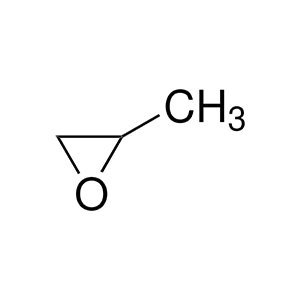 |
Our commitment to delivering high-purity Propylene Oxide ensures a reliable and efficient component for your critical processes, offering consistent quality for diverse industrial needs.
Primary Applications of Propylene Oxide (PO)
Propylene Oxide's high reactivity and versatility make it a fundamental chemical building block with extensive applications across various industries:
Polyether Polyols Production:
The vast majority of PO is consumed in the production of polyether polyols. These polyols are crucial raw materials for the manufacture of polyurethanes, which are used in a wide array of products including flexible and rigid foams (for insulation, furniture, automotive), coatings, adhesives, sealants, and elastomers.
Propylene Glycol Production:
A significant portion of PO is hydrolyzed to produce propylene glycol, a versatile chemical used in unsaturated polyester resins, antifreeze, de-icing fluids, cosmetics, pharmaceuticals, and as a food additive (as a humectant, solvent, or preservative).
Propylene Glycol Ethers (PGEs):
PO is used to synthesize propylene glycol ethers, which are excellent solvents found in paints, coatings, inks, and cleaning formulations due to their unique balance of hydrophobicity and hydrophilicity.
Surfactants & Detergents:
It is used in the production of various non-ionic surfactants, which find applications in detergents, emulsifiers, and dispersants in industrial and consumer products.
Other Chemical Derivatives:
PO serves as an intermediate for the synthesis of numerous other chemicals, including isopropanolamines, synthetic lubricants, and flame retardants.
Exceptional Purity & Consistent Quality: Our Propylene Oxide is manufactured to stringent purity specifications, crucial for optimizing the performance and yield in downstream chemical processes, especially for sensitive polyol and glycol production.
Commitment to Quality & Safety: We adhere to the highest industry standards for quality management, safety, and environmental responsibility across all our operations, ensuring peace of mind for our clients and the safe handling of hazardous materials.




Before you order
Confirm the current commercial product record.
Include the required grade or purity, quantity, preferred packing, destination country/port and required document set.
- 01Current specification
- 02Batch or sample COA
- 03Product- and supplier-specific SDS
- 04Packing and shipping review
INQUIRY
Continue browsing
Related Products
Dimethyl Sulfoxide
- CAS No.
- 67-68-5
Dimethyl Sulfoxide, CAS 67-68-5. Source-derived identification, physical data and applications are provided for catalogue reference; request the current specification, COA and SDS for the…
Dimethylformamide
- CAS No.
- 68-12-2
Dimethylformamide, CAS 68-12-2. Source-derived identification, physical data and applications are provided for catalogue reference; request the current specification, COA and SDS for the required…