GHS Classification: Corrosive (GHS05), Acute Toxicity (GHS06), Health Hazard (GHS08), Irritant (GHS07)
Hazard Statements: Causes severe skin burns and eye damage; harmful if swallowed or inhaled; may cause respiratory irritation; may cause an allergic skin reaction; may cause allergy or asthma symptoms or breathing difficulties if inhaled.
UN Number: UN 2214
Hazard Class: 8 (Corrosive Substances)
Packing Group: III
Phthalic Anhydride
GTC-527
Representative packaging
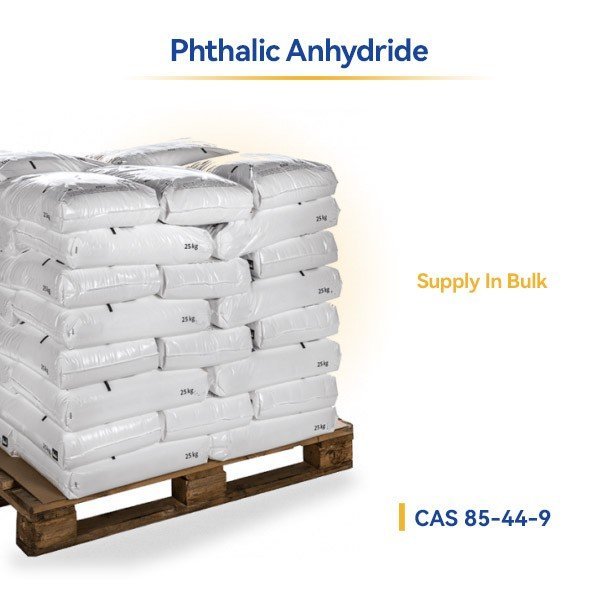
Anhydrides
Phthalic Anhydride
- CAS No.
- 85-44-9
- Catalogue ID
- GTC-527
Phthalic Anhydride, CAS 85-44-9. Source-derived identification, physical data and applications are provided for catalogue reference; request the current specification, COA and SDS for the required grade.
Catalogue aliases / related identifiers
2-Benzofuran-1,3-dione; 1,3-Isobenzofurandione; 1,2-Benzenedicarboxylic anhydride; Phthalic acid anhydride; Phthalandione; 1,3-Dioxophthalan; PA
Supplied catalogue source: GTC-527 · Page 36
Reference data — confirm before ordering or use
The information below is a structured migration from the supplied catalogue snapshot. It is not a current product specification, COA or SDS. Confirm the actual supplier, grade, batch documents, classification, packing and destination requirements for your enquiry.
Basic Information of Phthalic Anhydride
Phthalic Anhydride (CAS No. 85-44-9) is manufactured to meet stringent quality standards, ensuring exceptional purity and consistent performance for your specific industrial applications:
| CAS No.: | 85-44-9 |
|---|---|
| EC No.: | 201-607-5 |
| Linear Formula: | C₆H₄(CO)₂O |
| Molecular Weight: | 148.12 |
| Appearance: | Transparent Liquid |
| Odor: | Irritating, pungent odor. |
| Melting Point: | 131-134 °C(lit.) |
| Boiling point: | 284 °C(lit.) |
| Density: | 1,53 g/cm3 |
| Solubility: | Reacts with water to form phthalic acid; soluble in hot water, alcohol, and ether. |
| Flash Point: | 152 °C |
| Purity: | Corrosive, sublimes when heated. |
| RIDADR: | UN 2214 8/PG 3 |
| Chemical Structure: | 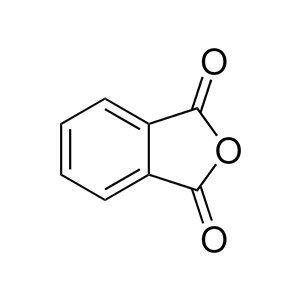 |
Our commitment to delivering high-purity Phthalic Anhydride ensures a reliable and efficient component for your diverse chemical synthesis and manufacturing processes.
Primary Applications of Phthalic Anhydride (PA)
Phthalic Anhydride's versatile chemical structure and reactivity make it a crucial intermediate in the production of a wide range of industrial and consumer products:
Plasticizers (Phthalates):
The largest application of Phthalic Anhydride is in the production of phthalate esters, which are widely used as plasticizers to impart flexibility and durability to PVC (polyvinyl chloride) and other plastics used in various applications like flooring, cables, films, and consumer goods.
Alkyd Resins:
Phthalic Anhydride is a key component in the manufacture of alkyd resins, which are widely used in paints, coatings, and varnishes for their excellent adhesion, durability, and gloss properties in architectural, automotive, and industrial coatings.
Unsaturated Polyester Resins (UPR):
It is also used in the production of certain unsaturated polyester resins, similar to maleic anhydride, which find applications in fiberglass-reinforced plastics for construction, marine, and automotive industries.
Dyes and Pigments:
Phthalic Anhydride serves as an intermediate in the synthesis of various dyes and pigments, contributing to the wide range of colors used in textiles, inks, coatings, and plastics.
Anthraquinone and Derivatives:
It is used in the production of anthraquinone, which is an intermediate for certain dyes and also used in the paper and pulp industry.
Specialty Chemicals:
Phthalic Anhydride is also used in the synthesis of various other specialty chemicals, including pharmaceuticals, agricultural chemicals, and flame retardants.
Exceptional Purity & Consistency: Our Phthalic Anhydride is manufactured to high purity standards, ensuring reliable and efficient performance in your critical applications.
Commitment to Quality & Safety: We adhere to the highest industry standards for quality management, safety, and environmental responsibility across all our operations, ensuring peace of mind for our clients.
Hazards Classification




Before you order
Confirm the current commercial product record.
Include the required grade or purity, quantity, preferred packing, destination country/port and required document set.
- 01Current specification
- 02Batch or sample COA
- 03Product- and supplier-specific SDS
- 04Packing and shipping review
INQUIRY
Continue browsing
Related Products
Maleic Anhydride
- CAS No.
- 108-31-6
Maleic Anhydride, CAS 108-31-6. Source-derived identification, physical data and applications are provided for catalogue reference; request the current specification, COA and SDS for the…
Methacrylic Anhydride
- CAS No.
- 760-93-0
Methacrylic Anhydride, CAS 760-93-0. Source-derived identification, physical data and applications are provided for catalogue reference; request the current specification, COA and SDS for the…