GHS Classification: Corrosive (GHS05), Acute Toxicity (GHS06)
Hazard Statements: Causes severe skin burns and eye damage; toxic if swallowed or inhaled.
UN Number: UN 1775
Hazard Class: 8 (Corrosive Substances)
Packing Group: II
Fluoroboric Acid
GTC-361
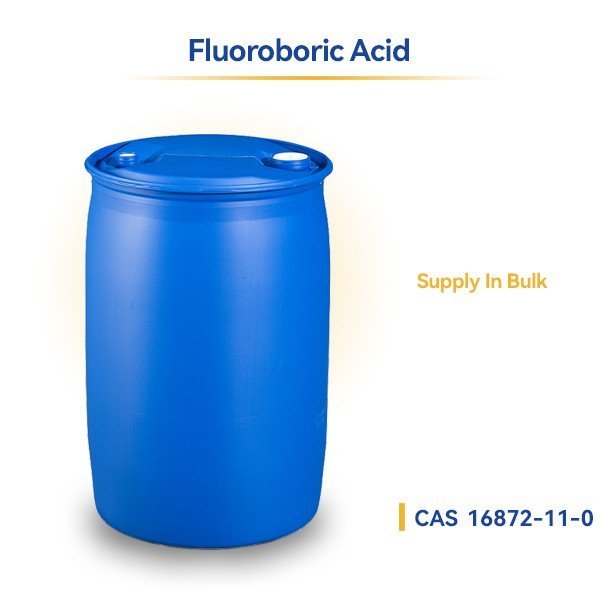
Representative packaging
Inorganic Acids
Fluoroboric Acid
- CAS No.
- 16872-11-0
- Catalogue ID
- GTC-361
Fluoroboric Acid, CAS 16872-11-0. Source-derived identification, physical data and applications are provided for catalogue reference; request the current specification, COA and SDS for the required grade.
Catalogue aliases / related identifiers
Tetrafluoroboric acid; Hydrofluoroboric acid; Borofluoric acid; Boron fluoride hydrogen; Fluoboric acid
Supplied catalogue source: GTC-361 · Page 45
Reference data — confirm before ordering or use
The information below is a structured migration from the supplied catalogue snapshot. It is not a current product specification, COA or SDS. Confirm the actual supplier, grade, batch documents, classification, packing and destination requirements for your enquiry.
Basic Information of Fluoroboric Acid
| CAS No.: | 16872-11-0 |
|---|---|
| EC No.: | 240-898-3 |
| Linear Formula: | HBF₄ |
| Molecular Weight: | 87.81 |
| Appearance: | Clear, colorless to pale yellow aqueous solution. |
| Concentration: | Typically available in various concentrations, commonly 48-50% (w/w) |
| Acidity: | Strong inorganic acid. |
| Boiling Point: | 130°C (dec.) |
| Density: | 1.38 g/mL at 20 °C(lit |
| Solubility: | Highly soluble and miscible with water. |
| Flash Point: | −40 ° |
| Non-oxidizing: | Does not readily oxidize other substances. |
| Stability: | Stable in aqueous solution. Does not attack glass or quartz. |
| Corrosivity: | Corrosive to skin, eyes, and mucous membranes. Less corrosive to certain metals than other strong acids. |
| RIDADR: | UN 1775 8/PG 2 |
| Chemical Structure: | 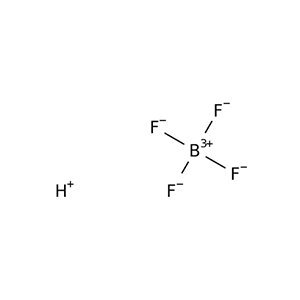 |
Our commitment to delivering high-purity Fluoroboric Acid ensures a reliable and efficient component for your critical processes, offering consistent quality for diverse industrial needs.
Primary Applications of Fluoroboric Acid
Fluoroboric Acid's properties as a strong, stable, and non-oxidizing acid, along with its ability to form stable complexes, make it a fundamental chemical with extensive applications across various industries:
Electroplating & Metal Finishing:
Fluoroboric Acid is a crucial component in electroplating baths, particularly for depositing bright, high-speed coatings of tin, lead-tin alloys, nickel, copper, and precious metals. It ensures uniform deposits, improved adhesion, and superior finish quality. It is also used in metal cleaning and pickling operations.
Catalyst in Organic Synthesis:
It serves as a versatile acid catalyst in various organic synthesis reactions, including polymerization, alkylation, and acylation reactions. Its stability and strong acidity make it effective in specific chemical transformations.
Production of Fluoroborate Salts:
Fluoroboric Acid is the primary precursor for manufacturing a wide range of fluoroborate salts (e.g., potassium fluoroborate, sodium fluoroborate, zinc fluoroborate). These salts find applications in fluxes for brazing and welding, flame retardants, and as components in various industrial processes.
Anodizing Aluminum:
It is used in certain anodizing processes for aluminum, providing a uniform and durable oxide layer that enhances corrosion resistance and appearance.
Analytical Reagent:
In laboratories, it is used as a reagent for specific chemical analyses and preparations, particularly where a strong, non-oxidizing acid containing fluoride is required.
Exceptional Purity & Consistent Quality: Our Fluoroboric Acid is manufactured to stringent purity and concentration specifications, crucial for optimizing performance in sensitive applications like high-quality electroplating and catalyst formulations.
Commitment to Quality & Safety: We adhere to the highest industry standards for quality management, safety, and environmental responsibility across all our operations, ensuring peace of mind for our clients.
Hazards Classification


Before you order
Confirm the current commercial product record.
Include the required grade or purity, quantity, preferred packing, destination country/port and required document set.
- 01Current specification
- 02Batch or sample COA
- 03Product- and supplier-specific SDS
- 04Packing and shipping review
INQUIRY
Continue browsing
Related Products
Phosphoric Acid
- CAS No.
- 7664-38-2
Phosphoric Acid, CAS 7664-38-2. Source-derived identification, physical data and applications are provided for catalogue reference; request the current specification, COA and SDS for the…
Phosphorous Acid
- CAS No.
- 13598-36-2
Phosphorous Acid, CAS 13598-36-2. Source-derived identification, physical data and applications are provided for catalogue reference; request the current specification, COA and SDS for the…
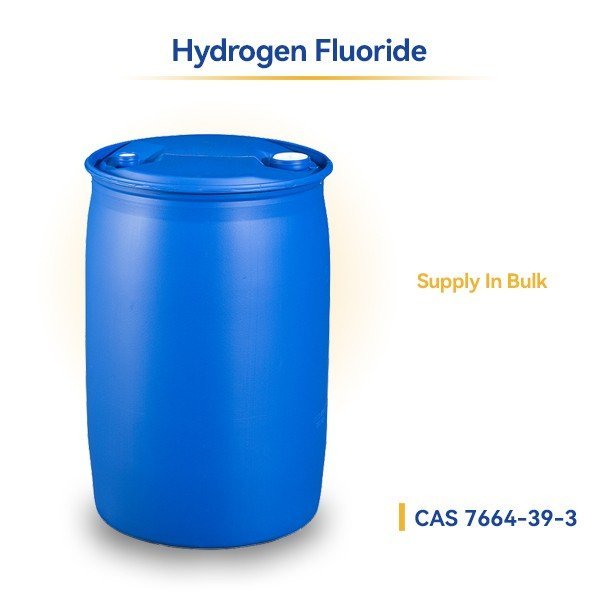
Hydrogen Fluoride
- CAS No.
- 7664-39-3
Hydrogen Fluoride, CAS 7664-39-3. Source-derived identification, physical data and applications are provided for catalogue reference; request the current specification, COA and SDS for the…
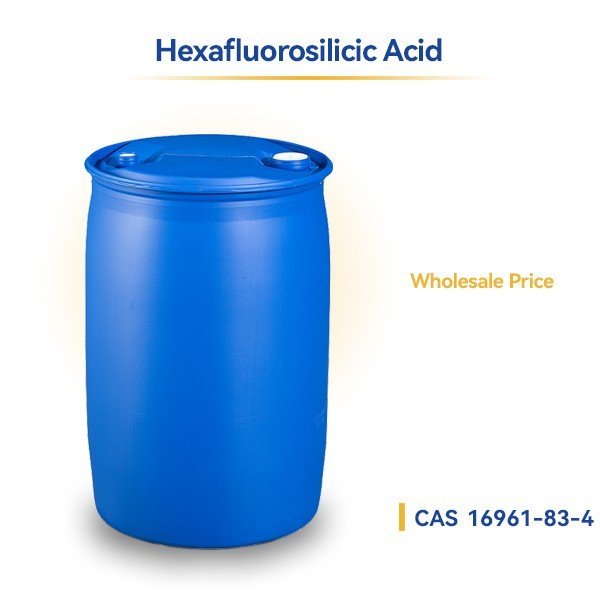
Hexafluorosilicic Acid
- CAS No.
- 16961-83-4
Hexafluorosilicic Acid, CAS 16961-83-4. Source-derived identification, physical data and applications are provided for catalogue reference; request the current specification, COA and SDS for the…