GHS Classification: Flammable Gas (GHS02), Compressed Gas (GHS04)
Hazard Statements: Extremely flammable gas; may cause flash fire or explosion; containers may explode when heated.
UN Number: UN 2601
Hazard Class: 2.1 (Flammable Gases)
Packing Group: Not applicable
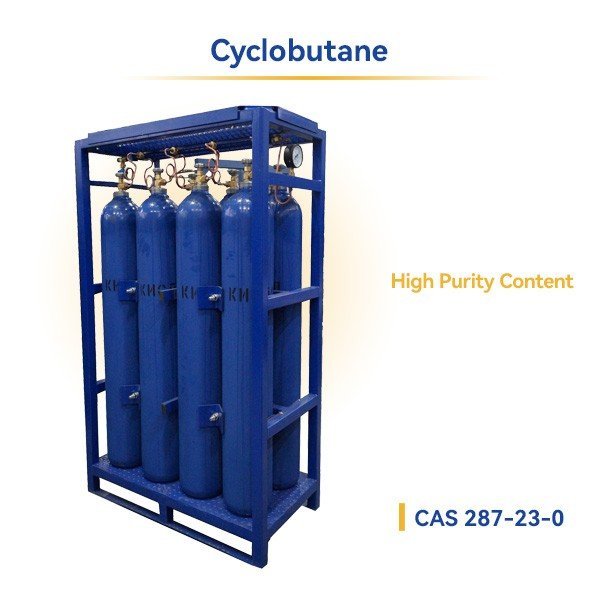
Cyclobutane
GTC-290
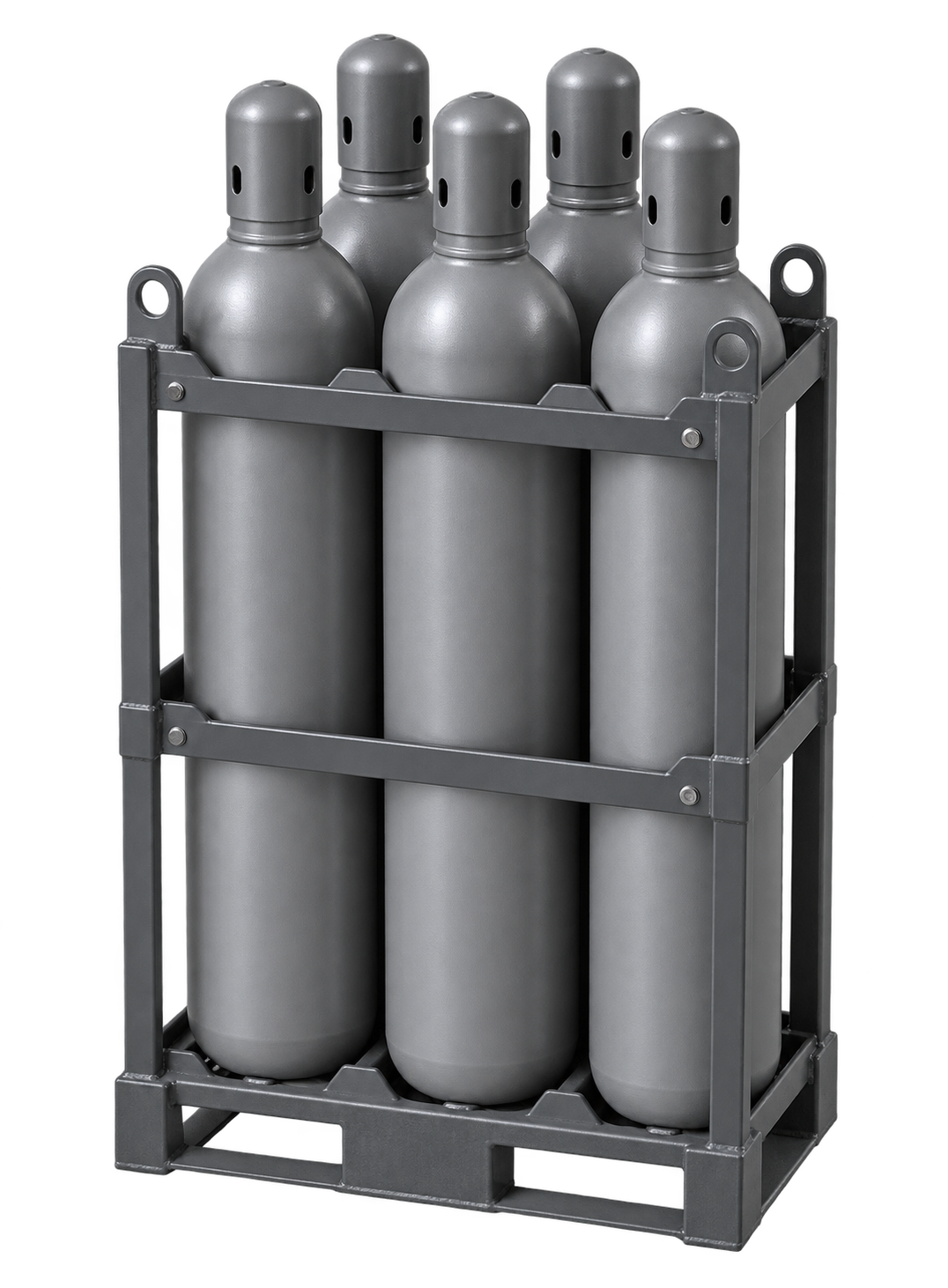
Representative packaging
Hydrocarbons
Cyclobutane
- CAS No.
- 287-23-0
- Catalogue ID
- GTC-290
Cyclobutane, CAS 287-23-0. Source-derived identification, physical data and applications are provided for catalogue reference; request the current specification, COA and SDS for the required grade.
Catalogue aliases / related identifiers
Tetramethylene; Tetramethylene (cyclic)
Supplied catalogue source: GTC-290 · Page 17
Reference data — confirm before ordering or use
The information below is a structured migration from the supplied catalogue snapshot. It is not a current product specification, COA or SDS. Confirm the actual supplier, grade, batch documents, classification, packing and destination requirements for your enquiry.
Basic Information of Cyclobutane
Cyclobutane (CAS No. 287-23-0) is a colorless, highly flammable gas at room temperature and pressure, which readily condenses to a liquid below its boiling point of approximately 12.5°C. Its four-membered ring structure gives it distinctive chemical properties, leading to its niche but essential roles in cutting-edge synthesis and analysis.
| CAS No.: | 287-23-0 |
|---|---|
| EC No.: | 206-014-5 |
| Linear Formula: | C₄H₈ |
| Molecular Weight: | 56.11 |
| Appearance: | Colorless Gas |
| Melting Point: | -80° |
| Density: | d0 0.7038; d-5 0.7185 |
| RIDADR: | UN 2601 |
| Chemical Structure: |  |
Key Applications of Cyclobutane
Cyclobutane’s strained ring structure and defined hydrocarbon properties make it useful in several specialized industrial and research contexts. For a broader overview of hydrocarbon materials and their industrial roles, refer to our industrial hydrocarbons guide.
Specialized Polymer and Materials Research: Cyclobutane can serve as a building block in advanced polymer and materials development programs where ring strain and controlled reactivity are advantageous.
Pharmaceutical and Fine Chemical Research: Employed in the synthesis of novel drug candidates and specialty intermediates, particularly in routes incorporating four-membered ring structures.
Precision Chemical Intermediate: Used in selected organic synthesis workflows where a defined C4 cyclic hydrocarbon is required to construct unique molecular architectures.
Calibration Gas and Reference Standard: Due to its well-defined composition, cyclobutane may be used as a calibration or reference component in analytical systems such as gas chromatography (GC) and mass spectrometry (MS).
Academic and Industrial R&D: Frequently applied in mechanistic studies and controlled laboratory investigations involving small-ring hydrocarbons. For hydrocarbon selection in foam and refrigeration systems, see hydrocarbon blowing agents and refrigeration applications.
Rigorous Quality Control: Every batch undergoes comprehensive testing to guarantee purity and adherence to specifications.
Hazards Classification


Before you order
Confirm the current commercial product record.
Include the required grade or purity, quantity, preferred packing, destination country/port and required document set.
- 01Current specification
- 02Batch or sample COA
- 03Product- and supplier-specific SDS
- 04Packing and shipping review
INQUIRY
Continue browsing
Related Products
Ethylene (Compressed)
- CAS No.
- 74-85-1
Ethylene (Compressed), CAS 74-85-1. Source-derived identification, physical data and applications are provided for catalogue reference; request the current specification, COA and SDS for the…
Methylcyclohexane
- CAS No.
- 108-87-2
Methylcyclohexane, CAS 108-87-2. Source-derived identification, physical data and applications are provided for catalogue reference; request the current specification, COA and SDS for the required…
Turpentine Oil
- CAS No.
- 8006-64-2
Turpentine Oil, CAS 8006-64-2. Source-derived identification, physical data and applications are provided for catalogue reference; request the current specification, COA and SDS for the…
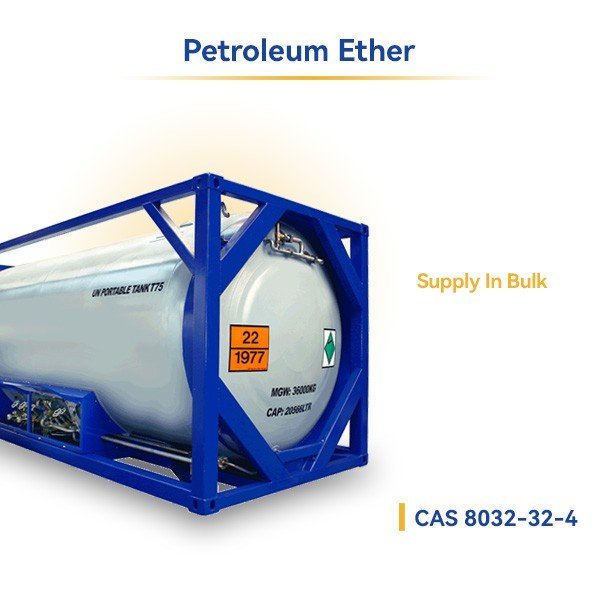
Petroleum Ether
- CAS No.
- 8032-32-4
Petroleum Ether, CAS 8032-32-4. Source-derived identification, physical data and applications are provided for catalogue reference; request the current specification, COA and SDS for the…
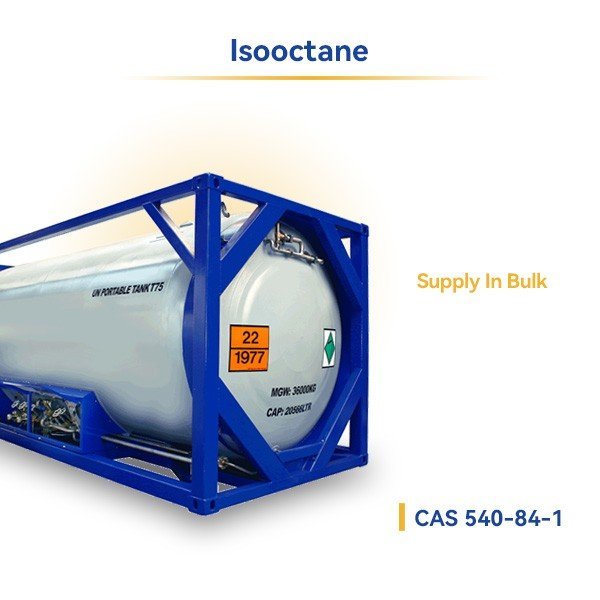
Isooctane
- CAS No.
- 540-84-1
Isooctane, CAS 540-84-1. Source-derived identification, physical data and applications are provided for catalogue reference; request the current specification, COA and SDS for the required…
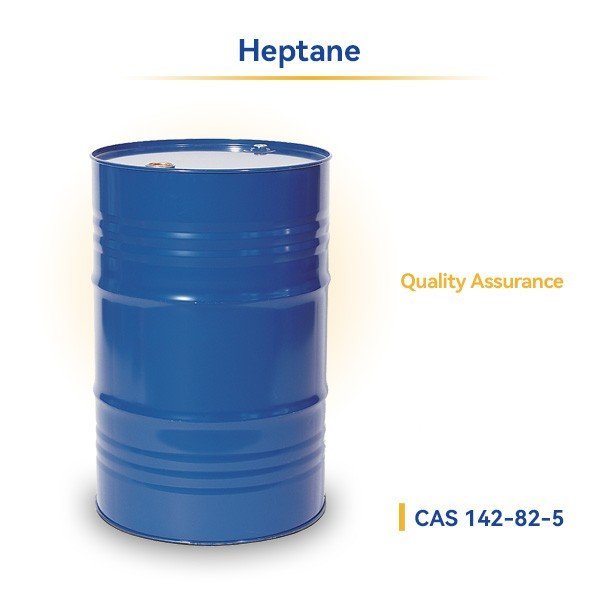
Heptane
- CAS No.
- 142-82-5
Heptane, CAS 142-82-5. Source-derived identification, physical data and applications are provided for catalogue reference; request the current specification, COA and SDS for the required…

Hexane
- CAS No.
- 110-54-3
Hexane, CAS 110-54-3. Source-derived identification, physical data and applications are provided for catalogue reference; request the current specification, COA and SDS for the required…
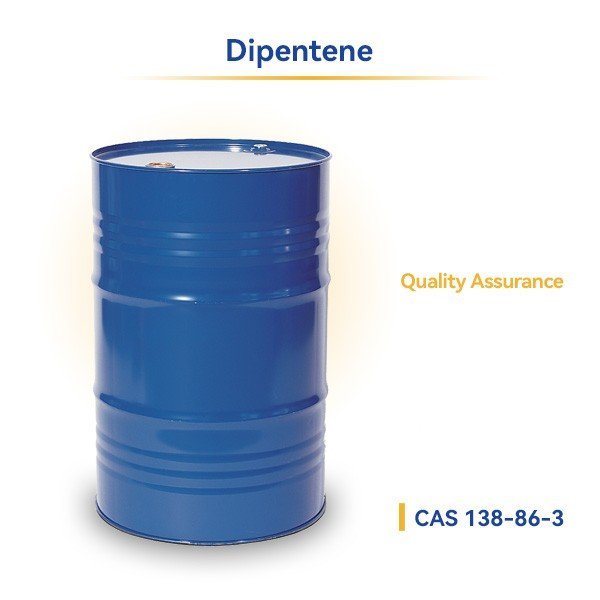
Dipentene
- CAS No.
- 138-86-3
Dipentene, CAS 138-86-3. Source-derived identification, physical data and applications are provided for catalogue reference; request the current specification, COA and SDS for the required…