GHS Classification: Corrosive (GHS05), Health Hazard (GHS08), Exclamation Mark (GHS07), Environmental Hazard (GHS09)
Hazard Statements: Causes severe skin burns and eye damage; suspected of causing genetic defects; may cause respiratory irritation; harmful if swallowed; may cause an allergic skin reaction; very toxic to aquatic life with long lasting effects.
UN Number: UN 3261
Hazard Class: 8 (Corrosive Substances)
Packing Group: II
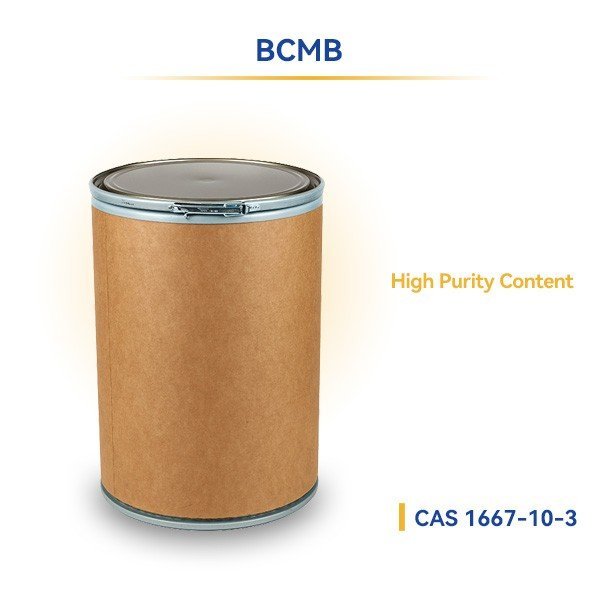
4,4′-Bis(chloromethyl)Biphenyl BCMB
GTC-271
Representative packaging
Chlorinated Aromatics
4,4′-Bis(chloromethyl)Biphenyl BCMB
- CAS No.
- 1667-10-3
- Catalogue ID
- GTC-271
4,4'-Bis(chloromethyl)Biphenyl BCMB, CAS 1667-10-3. Source-derived identification, physical data and applications are provided for catalogue reference; request the current specification, COA and SDS for the required grade.
Catalogue aliases / related identifiers
BCMB; 4,4'-Bis(chloromethyl)Biphenyl; 1,1'-Biphenyl, 4,4'-bis(chloromethyl)-
Supplied catalogue source: GTC-271 · Page 10
Reference data — confirm before ordering or use
The information below is a structured migration from the supplied catalogue snapshot. It is not a current product specification, COA or SDS. Confirm the actual supplier, grade, batch documents, classification, packing and destination requirements for your enquiry.
Basic Information of BCMB
BCMB (CAS No. 1667-10-3) is a versatile organic compound recognized for its unique reactivity, making it indispensable in advanced chemical synthesis.
| CAS No.: | 1667-10-3 |
|---|---|
| EC No.: | 216-784-4 |
| Linear Formula: | ClCH₂C₆H₄C₆H₄CH₂Cl |
| Molecular Weight: | 251.15 |
| Appearance: | White to Light yellow powder |
| Melting Point: | 126 °C (dec.)(lit.) |
| Boiling point | 138-139 °C (lit.) |
| Density: | 1.195±0.06 g/cm3(Predicted) |
| RIDADR: | UN 3261 8/PG 2 |
| Chemical Structure: | 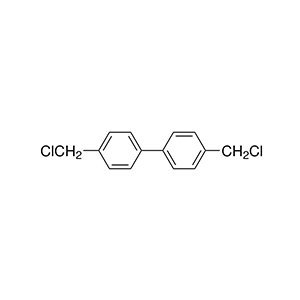 |
Applications of 4,4'-Bis(chloromethyl)-1,1'-Biphenyl (BCMB)
BCMB serves as a vital building block across various industries:
Polymer Synthesis: Used in the production of high-performance polymers, resins, and specialty plastics due to its reactive chloromethyl groups.
Pharmaceutical Intermediates: A key precursor in the synthesis of active pharmaceutical ingredients (APIs) and other complex organic molecules.
Dyes and Pigments: Employed in the creation of various dyes and optical brighteners.
Fine Chemicals: An essential reagent for numerous organic synthesis reactions, facilitating the introduction of specific functional groups.
Materials Science: Applied in research and development for novel material properties.
Rigorous Quality Control: Every batch undergoes comprehensive testing to guarantee purity and adherence to specifications.
Hazards Classification




Before you order
Confirm the current commercial product record.
Include the required grade or purity, quantity, preferred packing, destination country/port and required document set.
- 01Current specification
- 02Batch or sample COA
- 03Product- and supplier-specific SDS
- 04Packing and shipping review
INQUIRY
Continue browsing
Related Products

o-Dichlorobenzene
- CAS No.
- 95-50-1
o-Dichlorobenzene, CAS 95-50-1. Source-derived identification, physical data and applications are provided for catalogue reference; request the current specification, COA and SDS for the required…
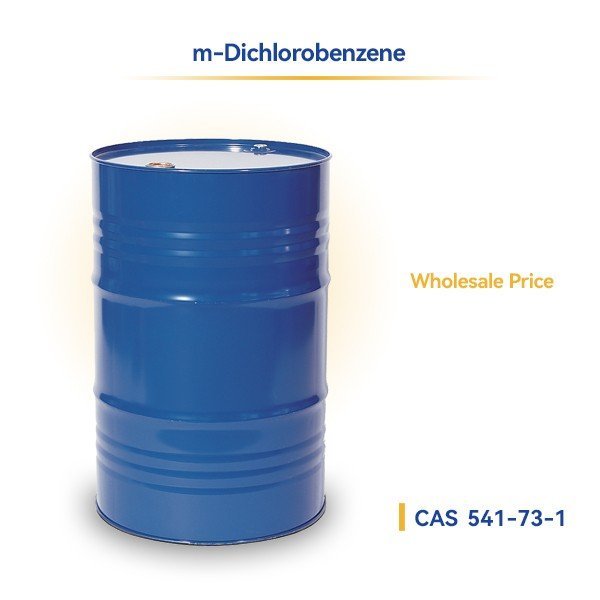
m-Dichlorobenzene
- CAS No.
- 541-73-1
m-Dichlorobenzene, CAS 541-73-1. Source-derived identification, physical data and applications are provided for catalogue reference; request the current specification, COA and SDS for the required…
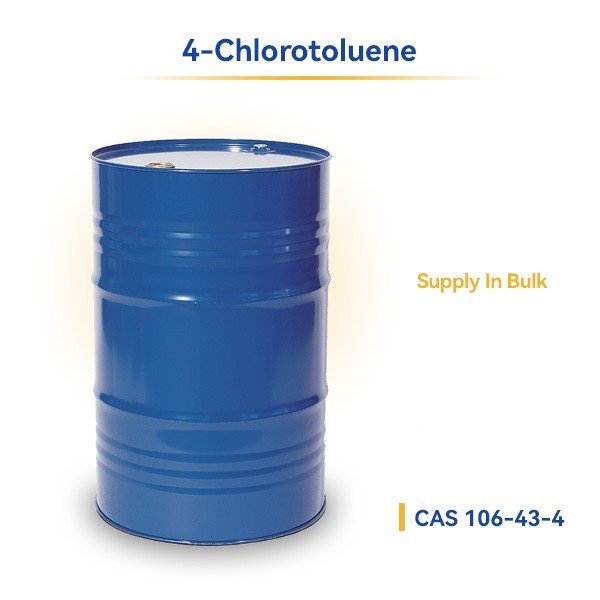
4-Chlorotoluene
- CAS No.
- 106-43-4
4-Chlorotoluene, CAS 106-43-4. Source-derived identification, physical data and applications are provided for catalogue reference; request the current specification, COA and SDS for the required…