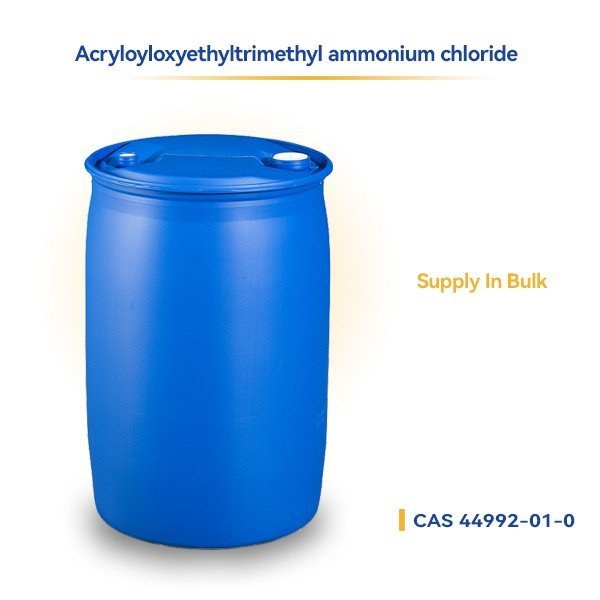
Acryloyloxyethyltrimethyl ammonium chloride

GTC-197

Cationic Monomers

Acryloyloxyethyltrimethyl ammonium chloride

CAS No.
44992-01-0
Catalogue ID
GTC-197

Acryloyloxyethyltrimethyl ammonium chloride, CAS 44992-01-0. Source-derived identification, physical data and applications are provided for catalogue reference; request the current specification, COA and SDS for the required grade.

Catalogue aliases / related identifiers

[2-(Acryloyloxy)ethyl]trimethylammonium chloride; AETAC; DAC; 2-Acryloyloxyethyl trimethylammonium chloride; Dimethylaminoethyl acrylate methyl chloride; CAS 44992-01-0; Cationic acrylate monomer; Acryloxyethyl trimethyl ammonium chloride

Supplied catalogue source: GTC-197 · Page 58

Reference data — confirm before ordering or use

The information below is a structured migration from the supplied catalogue snapshot. It is not a current product specification, COA or SDS. Confirm the actual supplier, grade, batch documents, classification, packing and destination requirements for your enquiry.


Basic Information

CAS No.44992-01-0
EC No.256-176-6
Linear FormulaC8H16ClNO2
Molecular Weight193.67 g/mol
AppearanceColorless to pale yellow liquid (commercial aqueous solution)
Commercial Grade / AssayTo be confirmed by final supplier specification and COA
Typical Commercial FormCommonly supplied as aqueous solution; commercial form may vary by specification
Melting PointNot applicable for commercial aqueous solution
Boiling pointNot applicable for commercial aqueous solution
DensityApproximately 1.10–1.15 g/cm³ at 20 °C (typical for commercial solutions)
RIDADRNot regulated as dangerous goods under typical commercial transport conditions; final status subject to supplier SDS and carrier review
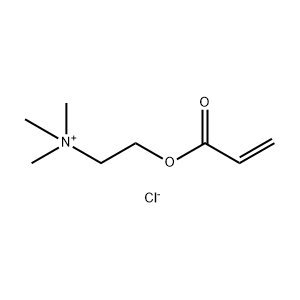
Chemical StructureMolecular Structure of Acryloyloxyethyltrimethyl ammonium chloride

Key Applications

AETAC / DAC is a fast-reacting cationic monomer that undergoes rapid free-radical polymerization to form high-molecular-weight cationic polymers with excellent charge density and flocculation performance. related Cationic Monomers

  • Water treatment flocculants: Polymerized into high-performance cationic polymers used for clarification, sludge dewatering and removal of suspended solids in municipal and industrial wastewater treatment.

  • Paper and pulp chemicals: Applied in the synthesis of cationic polymers that improve fiber retention, drainage, dry/wet strength and sizing efficiency in papermaking processes.

  • Textile auxiliaries: Used to produce cationic polymers for dye fixation, antistatic finishing and improved color fastness on natural and synthetic fibers.

  • Personal care and cosmetic polymers: Incorporated into conditioning polymers and film-forming agents for hair care and skin care formulations.

  • Oilfield and specialty chemicals: Serves as a key monomer for copolymers used in drilling fluids, fracturing fluids and functional water-soluble polymers.


  • Product Quality & Consistency: Product specifications can be confirmed by COA before shipment. Batch quality and key parameters are reviewed according to customer requirements.

  • International Logistics & Supply Stability: Export supply can be arranged through suitable logistics channels. Shipment planning can be discussed according to product properties and destination requirements.

  • Safety Documentation & Regulatory Compliance: SDS, COA and shipping documents can be prepared for customer review. Documentation support is available for B2B chemical procurement.


Safety, Handling & Documentation

Standard industrial hygiene practices should be followed when handling this product. Avoid direct contact with skin and eyes. Use appropriate personal protective equipment such as gloves, safety goggles and protective clothing. Ensure adequate ventilation in the working area.

  • Handling: Avoid inhalation of vapors or mists. Wash hands and exposed skin thoroughly after handling. Do not eat, drink or smoke in the handling area.

  • Storage: Store in a cool, dry, well-ventilated area away from incompatible materials such as strong oxidizers and reducing agents. Keep containers tightly closed when not in use. Protect from freezing and direct sunlight where applicable.

  • Documentation: Refer to the final SDS before handling, storage and transportation. SDS and COA are available for customer evaluation. Final handling, storage and transportation requirements should follow the supplier SDS and carrier review.

Before you order

Confirm the current commercial product record.

Include the required grade or purity, quantity, preferred packing, destination country/port and required document set.

  • 01Current specification
  • 02Batch or sample COA
  • 03Product- and supplier-specific SDS
  • 04Packing and shipping review
Request product review

INQUIRY

INQUIRY