GHS Classification: Corrosive (GHS05), Acute Toxicity (GHS06), Environmental Hazard (GHS09)
Hazard Statements: Causes severe skin burns and eye damage; harmful if inhaled; toxic to aquatic life with long lasting effects.
UN Number: UN 2672
Hazard Class: 8 (Corrosive Substances)
Packing Group: III
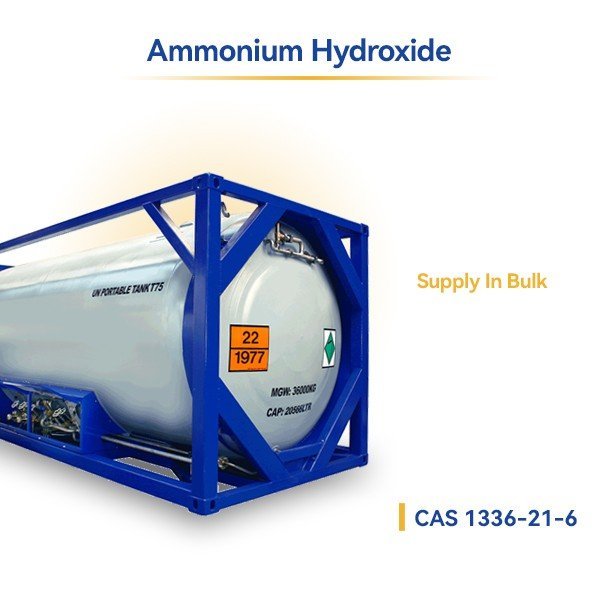
Ammonium Hydroxide
GTC-221
Representative packaging
Inorganic Bases
Ammonium Hydroxide
- CAS No.
- 1336-21-6
- Catalogue ID
- GTC-221
Ammonium Hydroxide, CAS 1336-21-6. Source-derived identification, physical data and applications are provided for catalogue reference; request the current specification, COA and SDS for the required grade.
Catalogue aliases / related identifiers
Ammonia Water; Aqua Ammonia; Ammonia Aqueous; Ammonia Solution; Ammoniacal Liquor; Ammonia Liquor; Household Ammonia
Supplied catalogue source: GTC-221 · Page 44
Reference data — confirm before ordering or use
The information below is a structured migration from the supplied catalogue snapshot. It is not a current product specification, COA or SDS. Confirm the actual supplier, grade, batch documents, classification, packing and destination requirements for your enquiry.
Basic Information of Trimethylsilyl Chloride
| CAS No.: | 1336-21-6 |
|---|---|
| EC No.: | 215-647-6 |
| Linear Formula: | NH₃·H₂O |
| Molecular Weight: | 35.05 |
| Appearance: | Transparent Liquid |
| Odor: | Strong, pungent ammonia odor. |
| Melting Point: | -77°C |
| Boiling Point: | 36°C |
| Density: | 0.91 g/mL at 20 °C |
| Solubility: | Highly miscible with water. |
| Concentration: | Typically available in various concentrations, commonly 25-30% for industrial use, and lower concentrations for household products. |
| Volatility: | Releases ammonia gas, especially at higher temperatures or concentrations. |
| Corrosivity: | Corrosive to certain metals and can cause skin/eye irritation. Requires careful handling and ventilation. |
| RIDADR: | UN 2672 8/PG 3 |
| Chemical Structure: | 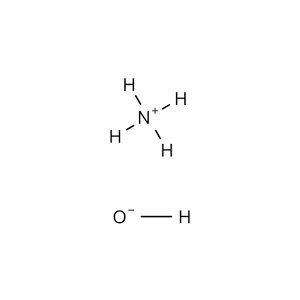 |
Our commitment to delivering high-purity Ammonium Hydroxide ensures a reliable and efficient component for your critical processes, offering consistent quality for diverse industrial needs.
Primary Applications of Ammonium Hydroxide
Ammonium Hydroxide's properties as an alkaline solution, cleaning agent, and nitrogen source make it a fundamental chemical with extensive applications across various industries:
Cleaning Products:
It is a common ingredient in many household and industrial cleaning products, including glass cleaners, floor cleaners, and degreasers, due to its ability to dissolve grease and remove grime effectively.
Fertilizer Production:
Ammonium Hydroxide is used in the production of various nitrogen-based fertilizers, providing a readily available source of nitrogen for plants. It can also be applied directly to soil as a fertilizer.
Chemical Manufacturing:
It serves as a base, pH regulator, and precipitating agent in the synthesis of a wide range of organic and inorganic chemicals, including polymers, rubber, and pharmaceuticals. It's used in the manufacture of explosives, plastics, and dyes.
Water Treatment:
Ammonium Hydroxide is used for pH adjustment and alkalinity control in municipal and industrial water treatment processes. It can also be used for chloramine formation in drinking water disinfection.
Textile Industry:
Employed in textile processing for dyeing, scouring, and finishing. It helps to control pH, swell fibers, and improve dye penetration.
Pulp and Paper Industry:
Used in some pulping processes and for pH control in paper manufacturing.
Refrigeration:
Anhydrous ammonia (a pure form of ammonia, closely related to ammonium hydroxide) is a widely used refrigerant due to its excellent thermodynamic properties.
Exceptional Purity & Consistent Quality: Our Ammonium Hydroxide is manufactured to stringent purity and concentration specifications, crucial for ensuring optimal performance and efficiency in your diverse industrial processes.
Commitment to Quality & Safety: We adhere to the highest industry standards for quality management, safety, and environmental responsibility across all our operations, ensuring peace of mind for our clients and the safe handling of hazardous materials.
Hazards Classification



Before you order
Confirm the current commercial product record.
Include the required grade or purity, quantity, preferred packing, destination country/port and required document set.
- 01Current specification
- 02Batch or sample COA
- 03Product- and supplier-specific SDS
- 04Packing and shipping review
INQUIRY
Continue browsing
Related Products
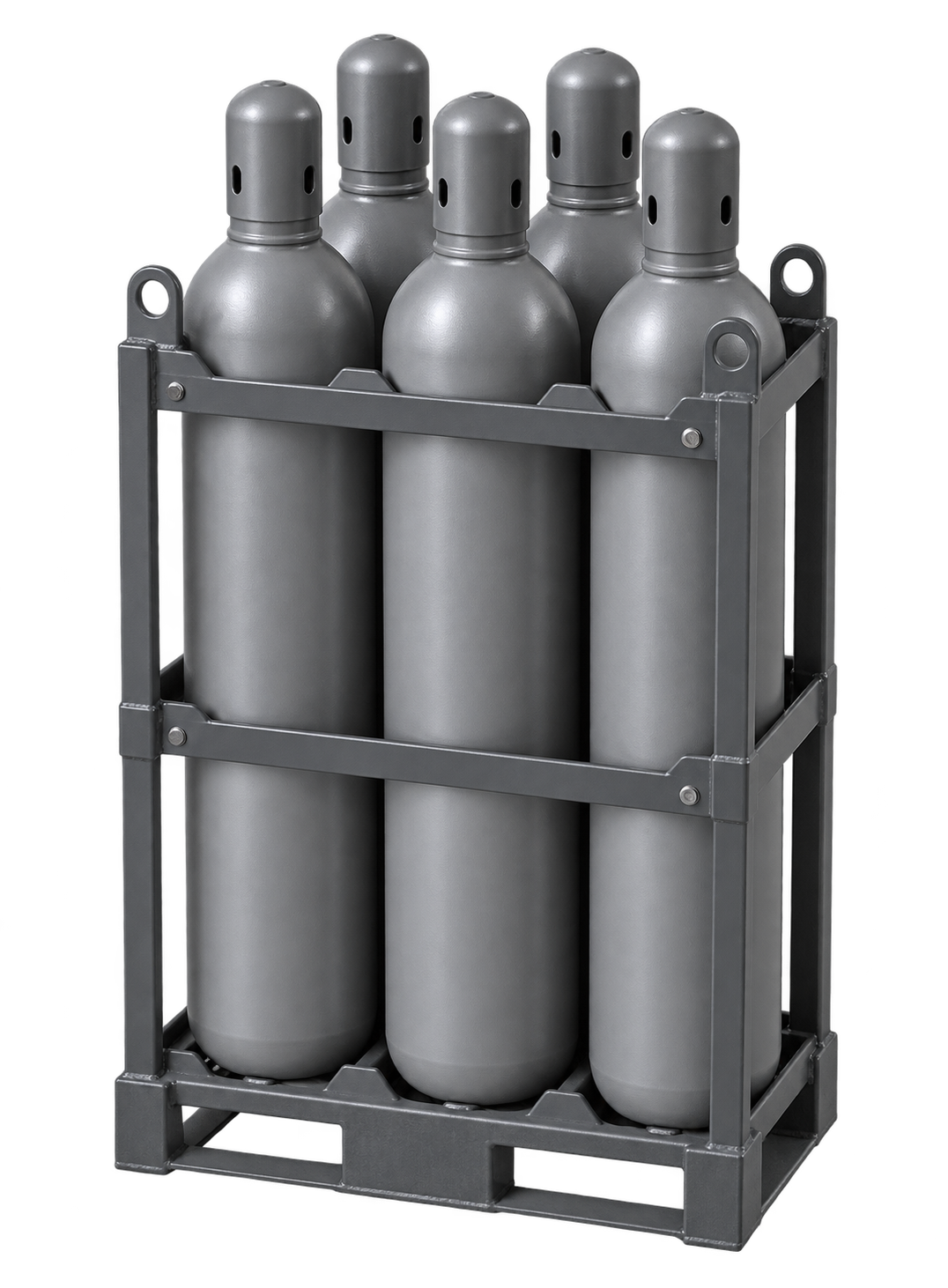
Liquefied Ammonia (NH3 >50%)
- CAS No.
- 7664-41-7
Liquefied Ammonia (NH3 >50%), CAS 7664-41-7. Source-derived identification, physical data and applications are provided for catalogue reference; request the current specification, COA and SDS…

Sodium Hydroxide
- CAS No.
- 1310-73-2
Sodium Hydroxide, CAS 1310-73-2. Source-derived identification, physical data and applications are provided for catalogue reference; request the current specification, COA and SDS for the…
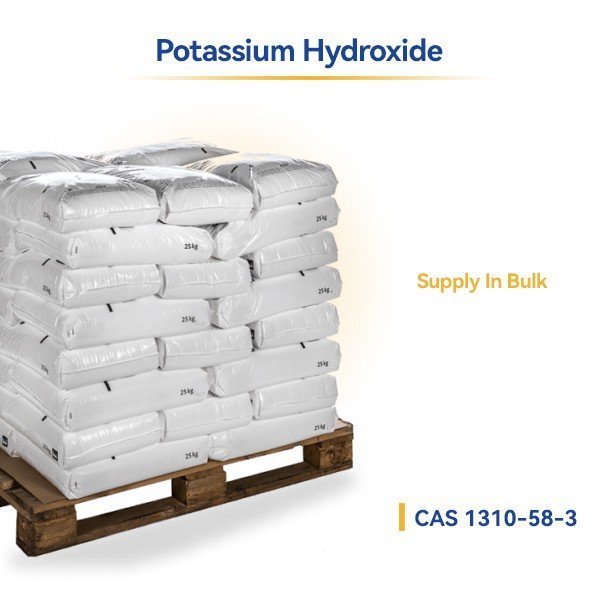
Potassium Hydroxide
- CAS No.
- 1310-58-3
Potassium Hydroxide, CAS 1310-58-3. Source-derived identification, physical data and applications are provided for catalogue reference; request the current specification, COA and SDS for the…