
Insight
Toxicity Classification of Solvents
Understanding the properties of chemical solvents is a critical step towards ensuring workplace safety and responsible industrial practice. Solvents are classified in various ways, helping professionals to assess their potential risks and handle them appropriately. This article provides a comprehensive overview of how solvents are classified based on their toxic effects on the body, their health hazards, and their level of danger in factory usage conditions. By exploring these different classification systems, we can better comprehend the risks associated with a wide range of solvents—from common household substances to specialized industrial chemicals—and make informed decisions for a safer environment.
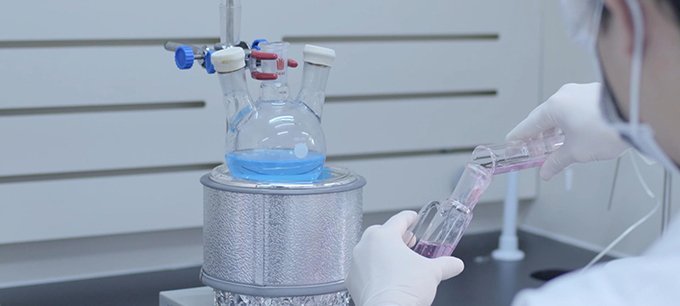
Classification of solvents based on their toxic effects on physiological functions
-
Neurotoxic solvents, such as primary alcohols (excluding methanol), ethers, aldehydes, ketones, certain esters, benzyl alcohols, etc., and pulmonary toxic solvents, such as methyl carboxylates, formic esters, etc.
-
Solvents causing poisoning, such as benzene and its derivatives, ethylene glycols, etc.
-
Solvents causing liver and metabolic poisoning, such as halogenated hydrocarbons, etc.
-
Solvents causing kidney poisoning, such as tetrachloroethane and ethylene glycols, etc.
Toxicity of chlorinated hydrocarbon solvents (in order of increasing toxicity)
| Solvent Name | Sequence of Anesthesia | Solvent Name | Sequence of Fatal |
| Chloroethane | 1 | Chloroethane | 1 |
| Carbon tetrachloride | 2 | 1,1-Dichloroethane | 2 |
| 1,1,1-Trichloroethane | 3 | Carbon tetrachloride | 3 |
| 1,1-Dichloroethane | 4 | 1,1,1-Trichloroethane | 4 |
| Dichloromethane | 1,1,2-Trichloroethane | 5 | |
| Trichloroethylene | 5 | Dichloromethane | 6 |
| Chloroform | 6 | Trichloroethylene | 7 |
| Chlorovinyl | 7 | Tetrachloroethylene | 8 |
| Tetrachloroethylene | 8 | Methyl chloroethane | |
| 1,1,2-Trichloroethane | 9 | Chloroform | 9 |
| Tetrachloroethane | 10 | Chloroethylene | 10 |
| Pentachloroethane | 11 | Pentachloroethane |
Classification of solvents based on their health hazards
Category 1: Non-hazardous Solvents
-
Essentially non-toxic, with no significant health effects from prolonged use, such as pentane, petroleum ether, light gasoline, hexane, heptane, 200# solvent gasoline, ethanol, chloroethane, acetic acid, ethyl acetate, etc.
-
Slightly toxic but with low volatility, posing little danger under normal conditions, such as ethylene glycol, butylene glycol, di-n-butyl phthalate, etc.
Category 2: Low-toxicity Solvents
Solvents that are harmful or slightly toxic to some extent, but pose no significant hazard at short-term maximum allowable concentrations, such as toluene, xylene, cyclohexane, isopropylbenzene, cycloheptane, propyl acetate, pentanol, pentyl acetate, butanol, trichloroethylene, vinyl chloride, ethylene oxide, hydrogenated aromatics, naphtha, tetrahydro naphthalene, nitroethane, etc.
Category 3: Hazardous Solvents
Hazardous solvents, which are harmful even with short-term exposure, except at extremely low concentrations, such as benzene, carbon disulfide, carbon tetrachloride, methanol, tetrachloroethane, acetaldehyde, phenol, nitrobenzene, dimethyl sulfate, pentachloroethane, etc.
Classify solvents based on their level of hazard under factory usage conditions
-
Category 1: Low-toxicity solvents, such as 200 “solvent gasoline, tetrahydro naphthalene, turpentine, ethanol, propanol, butanol, pentanol, paper solvent, cyclohexane, methylcyclohexanol, acetone, ethyl acetate, propyl acetate, butyl acetate, pentyl acetate, plasticizers, furfural, and furfuraldehyde.
-
Category 2: Moderately toxic solvents, such as toluene, cyclohexane, methanol, dichloromethane, 1,2-dichloroethylene, trichloroethylene, tetrachloroethylene, etc.
-
Category 3: Highly toxic solvents, such as benzene, carbon disulfide, carbon disulfide, carbon tetrachloride, carbon tetrachloride, dichlorethane, tetrachloroethane, pentachloroethane, dichloroethyl ether, benzene, and 2-chloroethanol, etc.
Concentration and toxicity of main solvents
| Solvent Vapor | The concentration at which a substance is highly toxic to humans during the exposure period. | Pathological concentration appearing after short-term exposure | Above this concentration, unpleasant sensations occur | ||||
| ppm | mg / m³ (20℃) | Exposure time (min) | ppm | mg / m³ (20℃) | ppm | mg / m³ (20℃) | |
| Acetaldehyde | 1000 | 1830 | 60 | 500 | 915 | 200 | 366 |
| Ethyl acetoacetate | 200 | 1080 | 60 | 100 | 540 | 50 | 270 |
| 2,5-Hexanedione | 300 | 1424 | 60 | 150 | 712 | 75 | 356 |
| Acetone | 4000 | 9650 | 60 | 800 | 1930 | 400 | 965 |
| Aniline | 80 | 312 | 60 | 20 | 78 | 10 | 39 |
| Allyl alcohol | 40 | 96 | 1 | 20 | 48 | 5 | 12 |
| Isopentanol | 400 | 1404 | 60 | 200 | 732 | 100 | 366 |
| Isopropanol | 2000 | 4995 | 60 | 800 | 1998 | 400 | 999 |
| Isophorone | 40 | 228 | 60 | 20 | 114 | 10 | 57 |
| Ethanol | 8000 | 15312 | 60 | 2000 | 3828 | 1000 | 1914 |
| 2-Chloroethanol | 20 | 68 | 60 | 10 | 34 | 2 | 7 |
| Allyl chloride | 200 | 635 | 60 | 100 | 318 | 50 | 159 |
| Chloroethane | 10000 | 26830 | 60 | 5000 | 13415 | 2000 | 5366 |
| Benzyl chloride | 20 | 100 | 1 | 10 | 50 | 5 | 25 |
| Dichloromethane | 2000 | 7072 | 60 | 1000 | 3536 | 500 | 1768 |
| Xylene | 1000 | 4410 | 60 | 300 | 1323 | 100 | 441 |
| Ethyl formate | 1000 | 3080 | 60 | 400 | 1232 | 200 | 616 |
| Methyl formate | 1000 . | 2495 | 60 | 400 | 998 | 200 | 499 |
| Chlorobenzene | 400 | 1872 | 60 | 200 | 936 | 75 | 351 |
| Chloroform | 2000 | 9960 | 60 | 500 | 2490 | 50 | 249 |
| Acetic acid | 200 | 500 | 60 | 40 | 100 | 20 | 50 |
| Isopentyl acetate | 1000 | 5410 | 60 | 300 | 1623 | 100 | 541 |
| Ethyl acetate | 2000 | 7326 | 60 | 800 | 2928 | 400 | 1464 |
| Butyl acetate | 2000 | 9650 | 60 | 500 | 2412 | 200 | 965 |
| Methyl acetate | 500 | 1540 | 60 | 200 | 616 | 100 | 308 |
| Diisobutyl ketone | 400 | 1896 | 60 | 200 | 948 | 100 | 474 |
| Ether | 8000 | 24624 | 60 | 2000 | 6156 | 500 | 1539 |
| Carbon tetrachloride | 2000 | 12800 | 60 | 500 | 3200 | 50 | 320 |
| Dichloromethane | 500 | 1830 | 60 | 300 | 1098 | 200 | 732 |
| Dichloroethyl ether | 100 | 593 | 1 | 30 | 178 | 15 | 89 |
| Dichloroethylene | 2000 | 8072 | 60 | 1000 | 4036 | 500 | 2018 |
| Cyclohexanol | 1000 | 4160 | 60 | 400 | 1664 | 100 | 416 |
| Cyclohexanone | 1000 | 4080 | 60 | 200 | 816 | 75 | 306 |
| Cyclohexane | 2000 | 6990 | 60 | 800 | 2796 | 400 | 1398 |
| Dimethyl carbonate | 800 | 3928 | 60 | 400 | 1964 | 200 | 982 |
| Tetrachloroethane | 50 | 350 | 60 | 20 | 140 | 10 | 70 |
| Tetrachloroethylene | 1000 | 6905 | 60 | 400 | 2762 | 200 | 1381 |
| Trichloroethylene | 2000 | 10940 | 60 | 800 | 4376 | 400 | 2188 |
| Toluene | 1000 | 3830 | 60 | 300 | 1149 | 100 | 383 |
| 1,1-Dichloroethane | 400 | 1648 | 60 | 200 | 824 | 50 | 206 |
| 1,2-Dichloroethane | 500 | 2050 | 60 | 100 | 410 | 50 | 205 |
| Carbon disulfide | 500 | 1600 | 60 | 150 | 480 | 10 | 32 |
| Butanol | 1000 | 3080 | 60 | 100 | 308 | 50 | 154 |
| Benzene | 1500 | 4800 | 60 | 500 | 1600 | 50 | 160 |
| Isopropyl acetone | 200 | 816 | 1 | 100 | 408 | 50 | 204 |
| Methanol | 2000 | 2500 | 60 | 500 | 640 | 200 | 256 |
| Methyl isobutyl ketone | 1000 | 4160 | 60 | 400 | 1004 | 200 | 832 |
| Butanone | 2000 | 5990 | 60 | 500 | 1498 | 200 | 599 |
| Methyl cyclohexanone | 300 | 1400 | 60 | 150 | 700 | 75 | 350 |