Silver Acetate
- CAS No.
- 563-63-3
Silver Acetate, CAS 563-63-3. Source-derived identification, physical data and applications are provided for catalogue reference; request the current specification, COA and SDS for the…
GTC-588
Silver Compounds
Get a quote for CAS 7783-90-6Request a sampleSend grade, quantity and destination · reply within 1 business day
Silver Chloride, CAS 7783-90-6. Source-derived identification, physical data and applications are provided for catalogue reference; request the current specification, COA and SDS for the required grade.
Silver(I) chloride; Chlorargyrite (mineral name); Horn silver (archaic/mineralogical); Cerargyrite; Argentous chloride; Silver(1+) chloride; Silver monochloride
Supplied catalogue source: GTC-588 · Page 81
The information below is a structured migration from the supplied catalogue snapshot. It is not a current product specification, COA or SDS. Confirm the actual supplier, grade, batch documents, classification, packing and destination requirements for your enquiry.
| CAS No. | 7783-90-6 |
|---|---|
| EC No. | 232-032-9 |
| Chemical Formula | AgCl |
| Molecular Weight | 143.32 g/mol |
| Appearance | Fine white to slightly grayish powder |
| Odor | Odorless |
| Melting point | 455 °C |
| Boiling point | 1547 °C |
| Density | 5.56 g/cm³ |
| Solubility | Very low solubility in water (0.00019 g/100 mL at 20 °C); soluble in ammonia, thiosulfate, cyanide solutions |
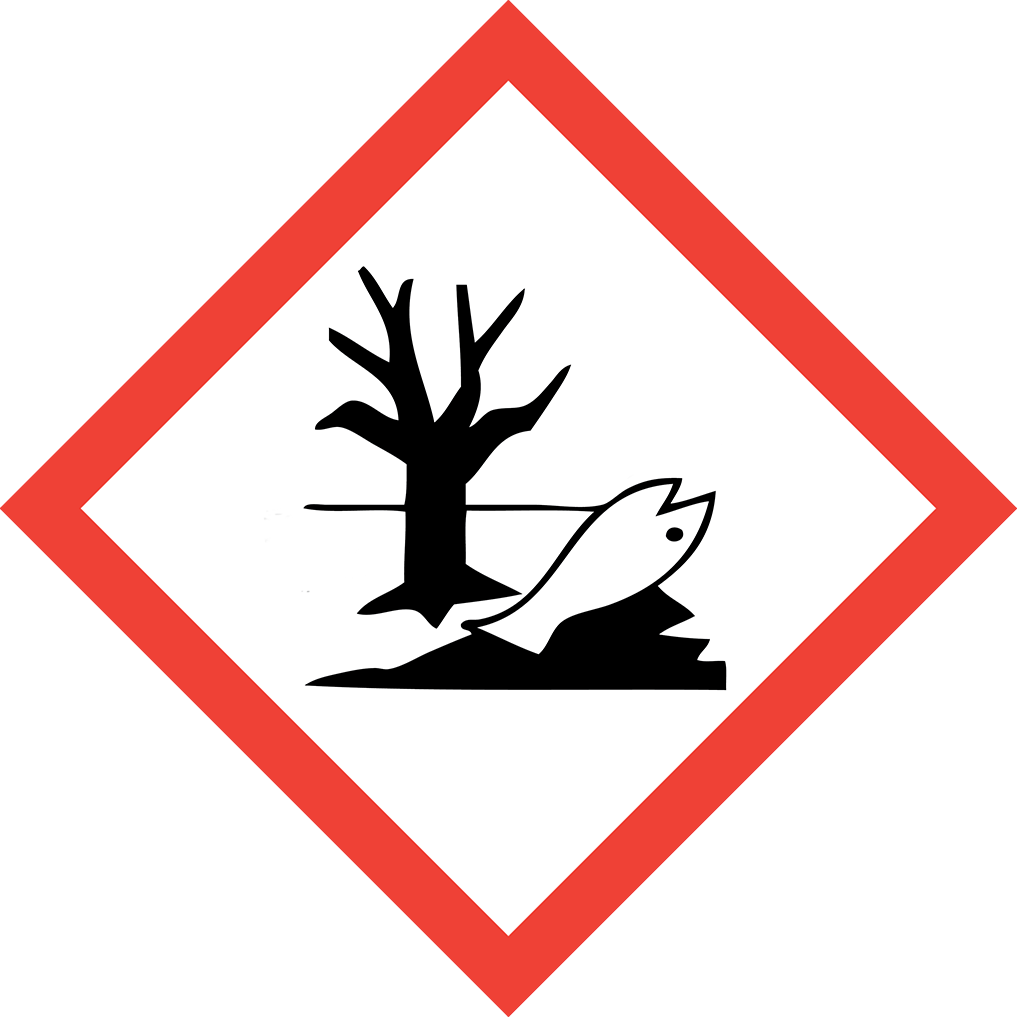
| Nature (hazards) | Light-sensitive (darkens on exposure), may cause skin and eye irritation, harmful if swallowed, toxic to aquatic life |
| RIDADR | Not regulated (non-hazardous for transport under standard classifications; consult SDS for specific handling) |
| Chemical Structure | 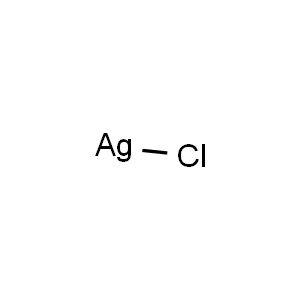 |
Silver Chloride remains a cornerstone silver compound due to its photosensitivity, insolubility, and electrochemical properties.
Reference Electrodes & Potentiometry
Used in Ag/AgCl reference electrodes for pH meters, ion-selective electrodes, and electrochemical measurements, providing a stable and reproducible potential.
Photography & Imaging
Classic light-sensitive material in silver halide emulsions for black-and-white photography, radiographic films, and historical photographic processes.
Qualitative & Quantitative Analysis
Forms the characteristic curdy white precipitate for chloride ion detection and gravimetric determination of chloride in analytical chemistry.
Antimicrobial & Biocidal Applications
Incorporated into coatings, textiles, and medical devices for controlled release of Ag⁺ ions with strong antimicrobial activity.
Supported Silver Catalyst Preparation
Serves as a precursor for generating Ag on supports via reduction, useful in selective oxidation and ethylene oxide catalysis.
Advanced Materials & Nanotechnology
Employed in synthesis of AgCl nanoparticles, core-shell structures, and photosensitive materials for sensors and optical devices.
High Silver Content Consistency
Precise analytical verification ensures uniform Ag content, minimal impurities, and batch reproducibility for reliable performance.
Secure Precious Metal Sourcing
Transparent, responsible silver procurement with inventory buffering to provide supply stability and competitive pricing.
Technical Application Support
Experienced specialists offer guidance on electrode fabrication, nanoparticle reduction, photographic emulsion preparation, and process optimization.
Full Regulatory Compliance
Comprehensive COA, REACH, RoHS, and detailed SDS documentation to facilitate seamless integration into global operations and audits.
Sustainability & Recycling Commitment
Ethical sourcing practices and silver recovery/recycling programs aligned with ESG objectives and circular economy principles.
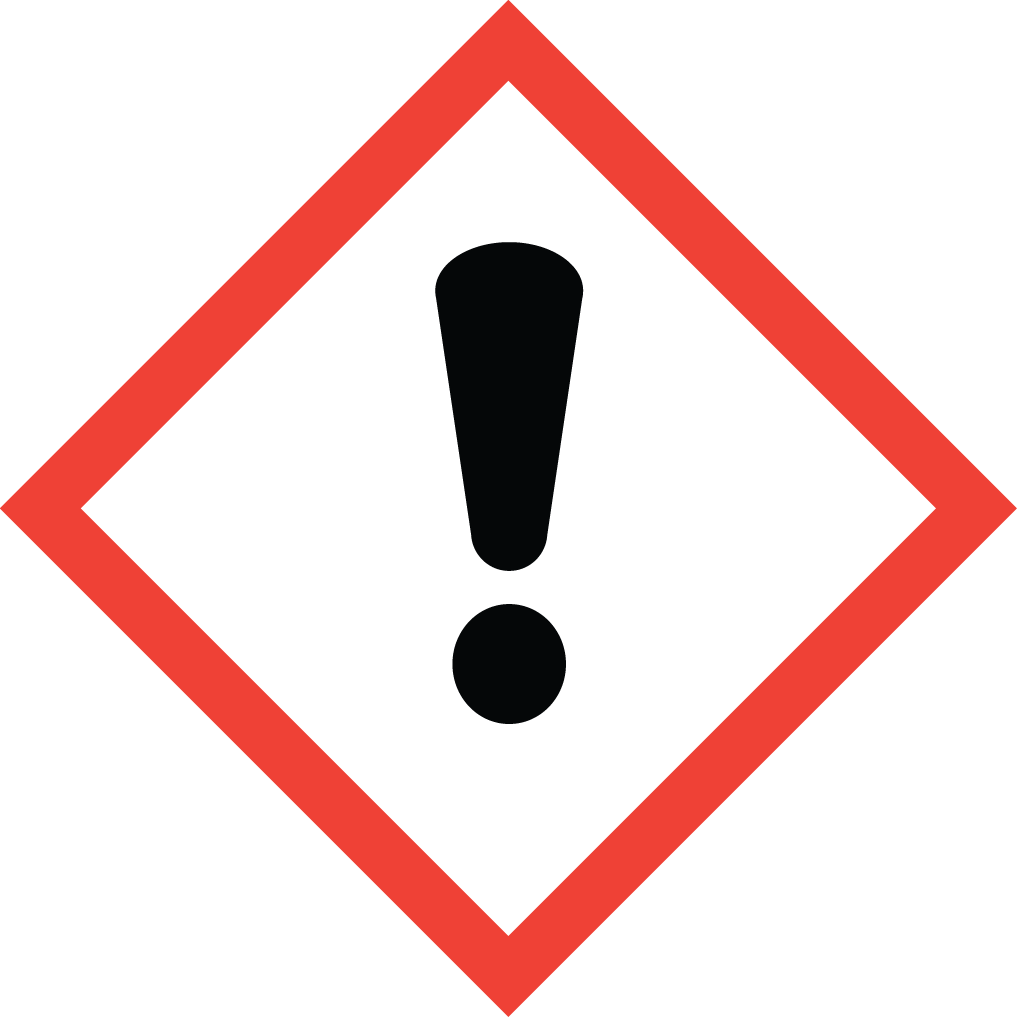
GHS Classification: Skin Irritation (Category 2); Eye Irritation (Category 2A); Specific Target Organ Toxicity, Single Exposure (respiratory) (Category 3); Aquatic Chronic (Category 3)
Hazard Statements: H315: Causes skin irritation; H319: Causes serious eye irritation; H335: May cause respiratory irritation; H413: May cause long lasting harmful effects to aquatic life
UN Number: Not regulated
Hazard Class: Not classified as hazardous for transport
Packing Group: Not applicable
Include the required grade or purity, quantity, preferred packing, destination country/port and required document set.
Silver Acetate, CAS 563-63-3. Source-derived identification, physical data and applications are provided for catalogue reference; request the current specification, COA and SDS for the…
Silver Carbonate, CAS 534-16-7. Source-derived identification, physical data and applications are provided for catalogue reference; request the current specification, COA and SDS for the…
Silver(I) Fluoride, CAS 7775-41-9. Source-derived identification, physical data and applications are provided for catalogue reference; request the current specification, COA and SDS for the…
Silver Sulfate, CAS 10294-26-5. Source-derived identification, physical data and applications are provided for catalogue reference; request the current specification, COA and SDS for the…
Silver Trifluoroacetate, CAS 2966-50-9. Source-derived identification, physical data and applications are provided for catalogue reference; request the current specification, COA and SDS for the…