
Platinum(IV) chloride

GTC-534

Platinum Compounds

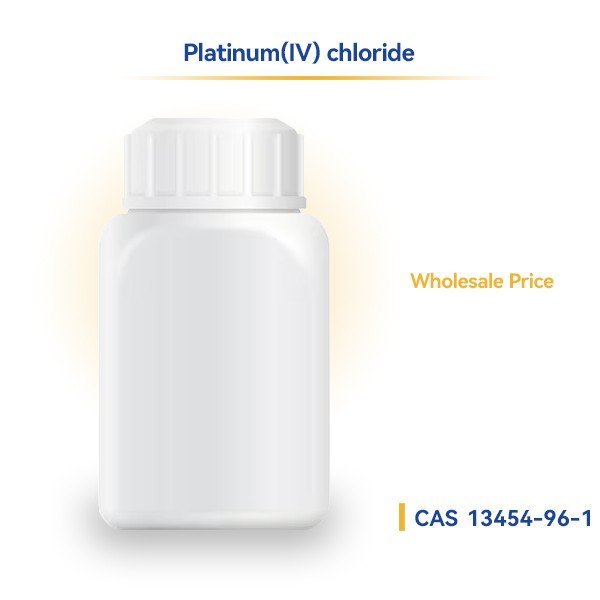
Platinum(IV) chloride (CAS 13454-96-1)

Get a quote for CAS 13454-96-1Request a sampleSend grade, quantity and destination · reply within 1 business day

CAS No.
13454-96-1
Catalogue ID
GTC-534

Platinum(IV) chloride, CAS 13454-96-1. Source-derived identification, physical data and applications are provided for catalogue reference; request the current specification, COA and SDS for the required grade.

Catalogue aliases / related identifiers

Platinum tetrachloride; Platinic chloride; Tetrachloroplatinum; Platinum(4+) tetrachloride; Platinum chloride (PtCl4); Platinic chloride(IV); Platinum chloride; Platinumchloride1

  • Samples available
  • TDS · COA · SDS on request
  • Export packing & shipping review

Supplied catalogue source: GTC-534 · Page 75

Reference data — confirm before ordering or use

The information below is a structured migration from the supplied catalogue snapshot. It is not a current product specification, COA or SDS. Confirm the actual supplier, grade, batch documents, classification, packing and destination requirements for your enquiry.


Basic Information of Platinum(IV) Chloride

CAS No.13454-96-1
EC No.236-645-1
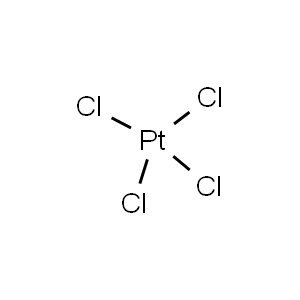
Chemical FormulaPtCl4
Molecular Weight336.89 g/mol
AppearanceDark red to reddish-brown crystalline powder
OdorOdorless
Melting point370 °C (decomposes)
Boiling pointNot applicable (decomposes)
Densityapprox. 4.30 g/cm³
SolubilityReacts with water (hydrolyzes); soluble in hydrochloric acid, ethanol, acetone, acetonitrile (forms complexes)
Nature (hazards)Causes severe skin burns and eye damage, may cause allergic skin and respiratory reactions, toxic to aquatic life
RIDADRUN 3260, Corrosive solid, acidic, inorganic, n.o.s. (Platinum tetrachloride), Class 8, Packing Group III
Chemical StructureMolecular Structure of Platinum(IV) Chloride

Primary Applications of Platinum(IV) Chloride

Platinum(IV) Chloride serves as a versatile Pt(IV) source for the preparation of advanced platinum compounds and materials in catalysis, pharmaceuticals, and technology sectors.

  1. Organometallic and Coordination Complex Synthesis
    Functions as a starting material for preparing Pt(IV) complexes with amines, phosphines, and other ligands, including octahedral Pt(IV) species used in mechanistic and synthetic studies.

  2. Platinum(IV)-Based Anticancer Prodrugs
    Enables synthesis of Pt(IV) prodrugs (e.g., satraplatin analogs) that offer improved stability, reduced toxicity, and targeted delivery compared to traditional Pt(II) therapeutics in pharmaceutical research.

  3. Catalyst Precursor for Heterogeneous Systems
    Used in the preparation of supported Pt catalysts via reduction or impregnation on carbon, alumina, or other carriers for hydrogenation, oxidation, and reforming processes in fine chemicals and energy applications.

  4. Thin-Film Deposition and CVD/ALD
    Acts as a volatile Pt source or precursor component in chemical vapor deposition and atomic layer deposition for high-purity platinum films in microelectronics, sensors, and electrocatalytic surfaces.

  5. Platinum Nanoparticle and Nanomaterial Synthesis
    Facilitates controlled reduction to generate Pt nanoparticles, colloids, or supported clusters for electrocatalysis, fuel cells, and advanced catalytic materials research.

  6. Inorganic Chemistry and Materials Research
    Supports exploration of Pt(IV) reactivity, redox chemistry, and new platinum-containing functional materials in academic and industrial laboratories.


  • Precise Platinum Content & Purity
    Rigorous quality assurance delivers accurate Pt assay, low residual impurities, and batch consistency for dependable synthetic outcomes.

  • Responsible Precious Metal Sourcing
    Transparent procurement and inventory management ensure supply reliability and price stability in dynamic platinum markets.

  • Specialized Technical Assistance
    Dedicated experts provide guidance on handling, complexation, reduction protocols, and application optimization tailored to your needs.

  • Complete Regulatory Documentation
    Full COA, REACH, RoHS, and SDS packages facilitate smooth integration into global operations and compliance requirements.

  • Sustainability & Recycling Programs
    Ethical sourcing combined with platinum recovery and recycling options to support your ESG goals and sustainable practices.


Hazards Classification

  • GHS Classification: Skin Corrosion/Irritation (Category 1B); Serious Eye Damage (Category 1); Skin Sensitization (Category 1); Respiratory Sensitization (Category 1); Aquatic Chronic (Category 2)

  • Hazard Statements: H314: Causes severe skin burns and eye damage; H317: May cause an allergic skin reaction; H334: May cause allergy or asthma symptoms or breathing difficulties if inhaled; H411: Toxic to aquatic life with long lasting effects

  • UN Number: UN 3260

  • Hazard Class: 8 (Corrosive substances)

  • Packing Group: III

GHS05
GHS05: Corrosive
GHS07
GHS07: Exclamation mark (sensitizer)
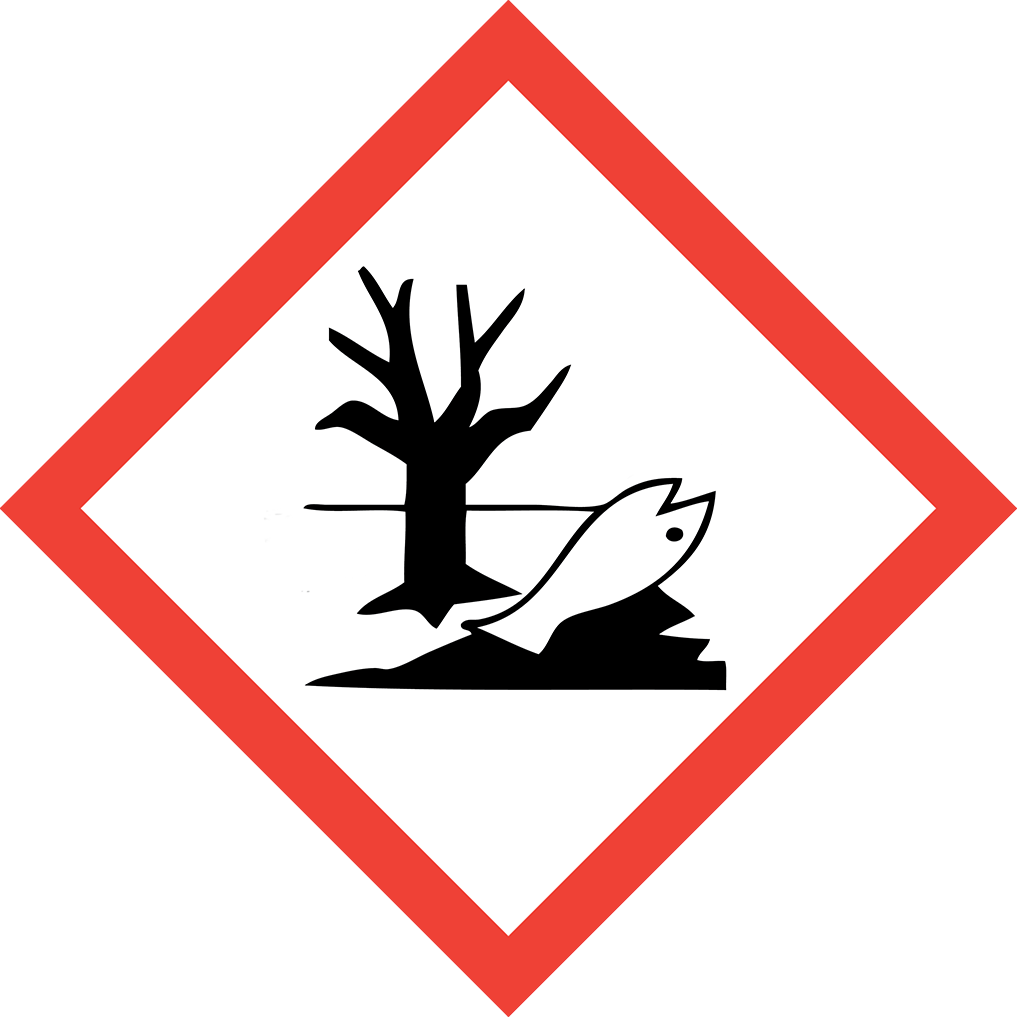
GHS09
GHS09: Environment (aquatic hazard)
Before you order

Confirm the current commercial product record.

Include the required grade or purity, quantity, preferred packing, destination country/port and required document set.

  • 01Current specification
  • 02Batch or sample COA
  • 03Product- and supplier-specific SDS
  • 04Packing and shipping review
Request product review

INQUIRY

We reply within 1 business day

How to request a quote
  1. Grade or purity
  2. Quantity
  3. Packaging
  4. Destination port
  5. Documents needed (COA / SDS / TDS)
Enquiry type

We reply within 1 business day

INQUIRY

We reply within 1 business day

How to request a quote
  1. Grade or purity
  2. Quantity
  3. Packaging
  4. Destination port
  5. Documents needed (COA / SDS / TDS)
Enquiry type

We reply within 1 business day